Seven days can be a rewarding introduction to India, provided you treat it as an introduction and not a checklist. The country is huge, and trying to cover it in a week mostly means spending that week in transit. A better approach is to choose one region, keep the number of hotel changes low and leave room for the unplanned moments that people tend to remember most.
The right India travel itinerary depends on where you land, what you enjoy, how fast you like to travel and where you fly out from. A history lover and a beach-and-backwaters traveller will not plan the same week.
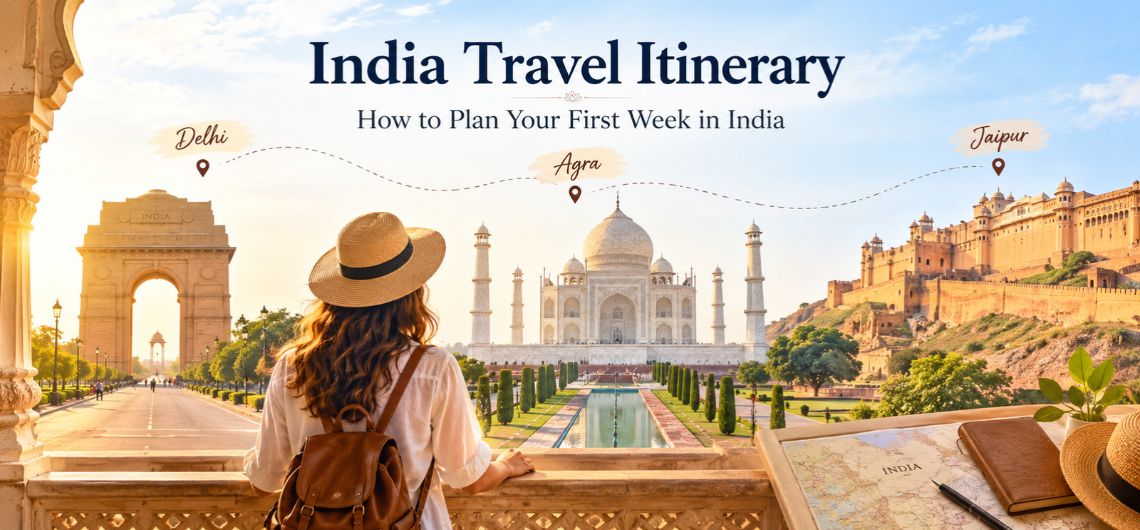
For many first-time visitors, though, North India’s Delhi–Agra–Jaipur route is a practical starting point. It combines Mughal monuments, hill forts, palaces and markets with transport links that are well established. This guide explains how to decide whether that route suits you, walks through a sample seven days, and covers the planning questions that usually come up along the way.
Is One Week Enough for Your First Trip to India?
One week is enough to experience a slice of India well. It is not enough to see the whole country, and no itinerary should pretend otherwise.
The main constraint is travel time, not the number of attractions. Intercity journeys that look short on a map can take most of a day once you add traffic, station or airport transfers and check-in. Every extra city usually costs you half a day.
Concentrating on one region has clear benefits:
- Fewer transfers. You unpack less and spend more time actually looking at things.
- More realistic pacing. Jet lag, heat and busy streets can be tiring on a first visit.
- Easier logistics. Neighbouring cities are generally linked by road and rail, which makes it simpler to adjust plans if something changes.
It also helps to decide early whether you want a fast-paced or a relaxed week. A fast pace might mean three cities and one or two highlights a day. A relaxed pace might mean two cities, a late start and a long lunch.
Adding a fourth destination, such as Varanasi or Udaipur, can turn a good trip into a tiring one. If it is important to you, consider it only if you are comfortable with an extra flight and fewer hours at each stop. Otherwise, save it for a longer visit.
Which Part of India Should You Visit First?

There is no single correct answer. Choose by interest and available time, not by what appears on most lists.
- North India (Delhi and Agra): Best for Mughal history, forts, tombs and the best-known landmarks, including the Taj Mahal. Delhi also gives you an immediate sense of India’s scale and variety.
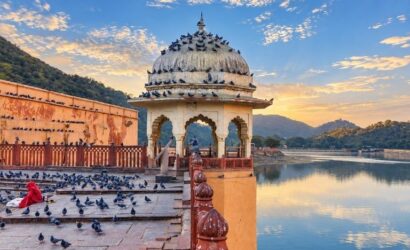
- Rajasthan (Jaipur and beyond): Suited to travellers who enjoy palaces, hill forts, crafts, bazaars and traditional food. Jaipur is the most common first stop, and it connects naturally with Delhi and Agra.
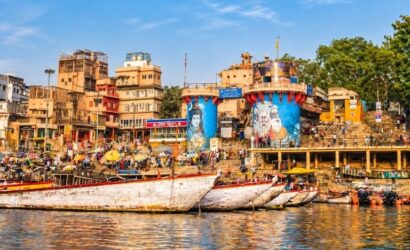
- Varanasi: One of the most atmospheric cities in India, known for its spiritual traditions and the ghats along the Ganges. It is intense and rewarding, but it sits in a different direction from Rajasthan, so it needs extra travel time.
- South India: A good alternative if you are more drawn to coastal scenery, Kerala’s backwaters, temple architecture or a different regional cuisine and culture. The pace is often gentler, and you would typically fly in and out of a southern city.
If your priorities are historic cities, Mughal monuments and royal architecture, the Delhi–Agra–Jaipur circuit covers all three in about a week. Travellers who want to compare routes and trip durations can look at these Golden Triangle tour options to see how the same cities can be combined in different ways.
A Practical 7-Day India Travel Itinerary for First-Time Visitors
The route below is one example, not a template for every traveller. Think of it as a starting point you can shorten, reorder or stretch.
A note on the order of days: the Taj Mahal is closed to general visitors on Fridays, according to the official Taj Mahal visiting-hours page at the time of writing. Check the current rules before you finalise your dates. If your Agra day falls on a Friday, see the Day 4 notes below for a simple reshuffle.
Day 1: Arrive in Delhi and Settle In
Most long-haul flights reach Delhi at night or early in the morning, so treat the first day as a recovery day. Allow time for immigration, airport transfers and hotel check-in.
If you have energy, take a short walk near your hotel or have a relaxed local meal. Skip the monuments. You will enjoy them far more on Day 2.
Day 2: Explore Old and New Delhi
Delhi is spread out, so group attractions by area and keep the day manageable. A sensible mix might include Humayun’s Tomb and Qutub Minar on the southern side, then India Gate or a selected Old Delhi experience in the afternoon.
Pick two or three stops rather than five. Check opening days and times beforehand, because some sites close on certain days, and traffic can change your timing more than the distances suggest. Grouping nearby places saves hours that would otherwise go to the road.
Day 3: Travel from Delhi to Agra
You have two main choices for the Delhi–Agra leg: private road transport or a train. By road, the journey is commonly around three to four hours depending on traffic and your starting point. By express train, the ride itself is shorter, but you need to add transfers to and from the stations.
Allow time for the journey, check-in and a rest before sightseeing. If the schedule allows, Agra Fort is a sensible first stop, but do not assume you can comfortably cover everything on the same day.
Travellers who like the idea of rail-based sightseeing can review this Taj Mahal tour from Delhi by superfast train to understand how a Delhi–Agra excursion can work around train schedules. Check current train times and availability close to your travel dates, as these can change.
Day 4: Visit the Taj Mahal and Continue to Jaipur
Check the official opening days and current visitor rules before planning your visit. Visiting hours are tied to sunrise and sunset, so exact timings shift through the year. Allow generous time at the monument, including security queues and walking between areas.
The road journey from Agra to Jaipur is roughly 240 km. Plan on about four to five hours of driving, plus any stops. Whether to go on the same day depends on your departure time, your energy and your transport.
If you would rather go slowly, stay a second night in Agra and reach Jaipur the next day. That is often the better choice for families, older travellers or anyone who dislikes long drives after a busy morning.
If Day 4 would fall on a Friday, visit the Taj Mahal on the afternoon of Day 3 (if timings allow) and use Day 4 for Agra Fort and the drive to Jaipur.
Day 5: Discover Jaipur’s Forts and Royal Heritage
Start with Amber Fort, ideally early, since mornings are generally cooler and quieter. Then choose one or two more attractions that suit your time, such as the City Palace area or Jantar Mantar.
Do not aim for a comprehensive city tour in a single day. Leave space for lunch and a break at your hotel. Rajasthani food is part of the experience, not an interruption to it.
Day 6: Explore Jaipur’s Culture and Local Markets
Use this day for a slower, more local pace. Options include a palace visit, a stroll through the old city’s bazaars, a handicraft workshop or a cooking experience.
Jaipur is known for textiles, jewellery, block printing and blue pottery, so shopping can make the itinerary feel less rushed. Confirm timings in advance and build in breaks, since markets and monuments are tiring in the heat.
Day 7: Departure or an Optional Extension
Plan the last day around your departure airport and flight time. This matters because many travellers on this route fly out of Delhi. The road from Jaipur to Delhi can take roughly five to six hours, so leave generous buffers or consider an earlier train, a domestic flight or an extra night in Delhi.
An additional night is worthwhile if you have a very early international departure or if you would rather not travel on the day of a long-haul flight.
If you have more time, Varanasi is a popular extension, but it needs extra travel time and usually a flight or long rail journey. It works best as an add-on of two or three days, not something squeezed into the end of a seven-day trip.
Remember that this is an example. You may need to change the order or drop a destination depending on transport schedules, arrival time and personal preferences.
How to Choose Between Travelling by Car and Train

Neither is always better. The right choice depends on how you like to travel and how much flexibility you need.
Private car
- Door-to-door convenience, with no station transfers
- Flexibility for stops, photo breaks and a change of pace
- Easier with luggage, children or larger groups
- Travel time varies with traffic, so allow a buffer
Train
- Fixed departure times, which can help if you like structure
- A different, more local view of the country
- Station transfers and luggage handling to plan for
- Seat availability and classes should be checked well in advance
For short hops such as Delhi to Agra, many travellers prefer a car for the comfort and flexibility. Others enjoy the efficiency of an express train. If you prefer door-to-door transport and more flexibility during the Agra visit, this Taj Mahal tour from Delhi by car provides an example of how a private day trip can be organised.
Whichever you choose, check current schedules and journey times shortly before you travel.
How to Choose the Right Pace for Your India Trip
Most first-week itineraries feel rushed for one reason: they include too much. A few principles help:
- Limit hotel changes. Moving every night is exhausting. Three bases for seven days is a reasonable ceiling.
- Leave buffers. Meals, rest and the occasional delay all take time.
- Choose fewer attractions. Seeing three places well is better than ticking off six.
- Allow extra time for transfers. Airport and intercity journeys often take longer than expected.
- Adjust for your group. Children, older travellers and people with mobility needs may want shorter days, more rest and easier access to sites.
A useful test: for each day, ask whether you would still enjoy it if everything ran an hour late. If not, remove something.
What Should You Budget for One Week in India?
Costs vary widely, so use categories to plan rather than relying on a single number. The main ones are:
- Accommodation
- Intercity transport
- Local transfers
- Monument entry fees
- Guides and sightseeing
- Food, shopping and personal expenses
What you spend depends on the season, accommodation standard, group size, transport choices and which destinations you pick. Foreign-visitor ticket prices at major monuments may differ from those for residents, and they can change, so check official sources close to your travel dates.
We have deliberately not listed exact prices here. Rates change, and a figure that was right when written may not be when you travel. Ask for a written quote from any operator you consider so you know exactly what is included.
What Should First-Time Visitors Know Before Travelling in India?
A few practical points can make the trip smoother:
- Visa and entry rules. Check requirements through official government sources for your nationality, and do it early.
- Weather. Heat, monsoon rain and winter fog can all affect plans, so look at conditions for your dates.
- Dress. Cover shoulders and knees at religious sites, and carry something easy to remove if you need to take off your shoes.
- Water and sun. Carry drinking water and use sun protection.
- Transport. Use reputable providers and confirm pickup details in advance.
- Flexibility. Keep some slack in the schedule.
- Respect. Be mindful of local customs and ask permission before photographing people.
- Verification. Confirm opening days, tickets and transport schedules close to departure.
How to Personalise Your First Week in India
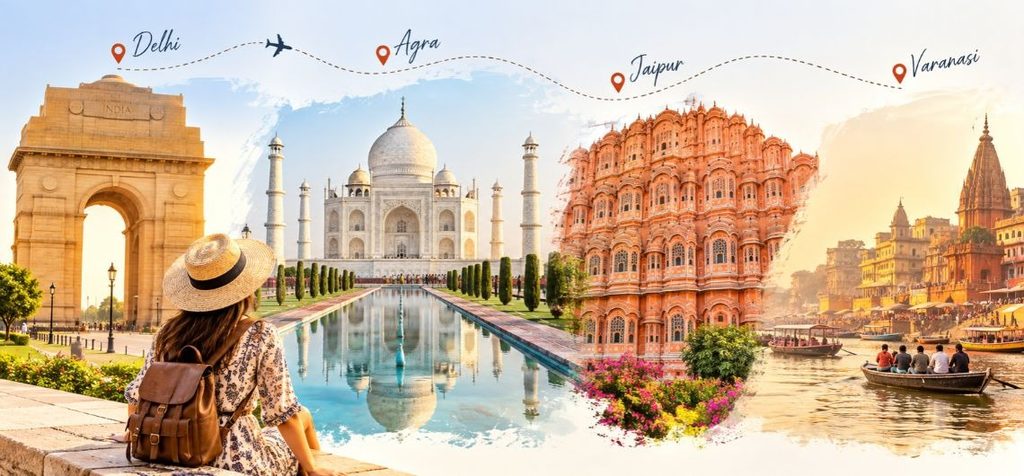
The Delhi–Agra–Jaipur route is easy to adapt:
- History and architecture enthusiasts: Add time at Delhi’s tombs and forts, or hire a specialist guide at key sites.
- Families and slower travellers: Drop one city, stay two nights in Agra and shorten sightseeing hours.
- Luxury travellers: Choose heritage hotels, private transport and a less crowded schedule, rather than adding more stops.
- Spirituality-minded visitors: Consider Varanasi, with a realistic view of the extra travel involved.
- Rail enthusiasts: Use trains between Delhi and Agra, and book well ahead.
- Those with more than seven days: Extend only if the time is genuinely available, so each stop gets enough attention.
If you have additional days and want to combine North India’s historic landmarks with a spiritual destination, consider this Golden Triangle tour with Varanasi as an example of an extended itinerary.
Frequently Asked Questions
Is seven days enough for a first trip to India?
Yes, for one region. Seven days works well for Delhi, Agra and Jaipur, or for a single southern region. It is not enough to cover the whole country.
Which cities should I visit during my first week in India?
Delhi, Agra and Jaipur are the most common choice for first-time visitors interested in history and architecture. If you prefer coastal scenery or a different culture, a southern itinerary may suit you better.
Is Delhi, Agra and Jaipur a good itinerary for first-time visitors?
It is a good fit if you want monuments, forts and palaces in a compact route with established transport links. It is less suited to travellers who want beaches, wildlife or mountains.
Should I travel between Indian cities by car or train?
It depends on your priorities. A car offers door-to-door convenience and flexibility, while a train suits those who prefer fixed schedules and rail travel. Check current timings for either.
How many days should I spend in Delhi, Agra and Jaipur?
A common split is two nights in Delhi, one in Agra and three in Jaipur. Slower travellers may prefer an extra night in Agra, and some may prefer more time in Delhi.
Can I include Varanasi in a seven-day India itinerary?
It is possible, but it usually means dropping a destination or accepting a rushed pace. Varanasi works better as an extension on a trip longer than seven days.
What is the best way to avoid rushing during a one-week trip to India?
Choose fewer destinations, limit hotel changes, plan only two or three sights per day and leave buffers for transfers and rest.
Final Thoughts on Planning Your First Week in India
A good first week in India is built on a manageable route, realistic travel times and a focus on what interests you. Fewer places, seen at a comfortable pace, will almost always give you a better trip than a packed schedule.
If you would like help comparing routes and travel styles, you can explore the itineraries at India Beyond Travel. Whichever route you pick, confirm opening days, transport schedules and entry requirements close to your travel dates.