<!-- wp:paragraph -->
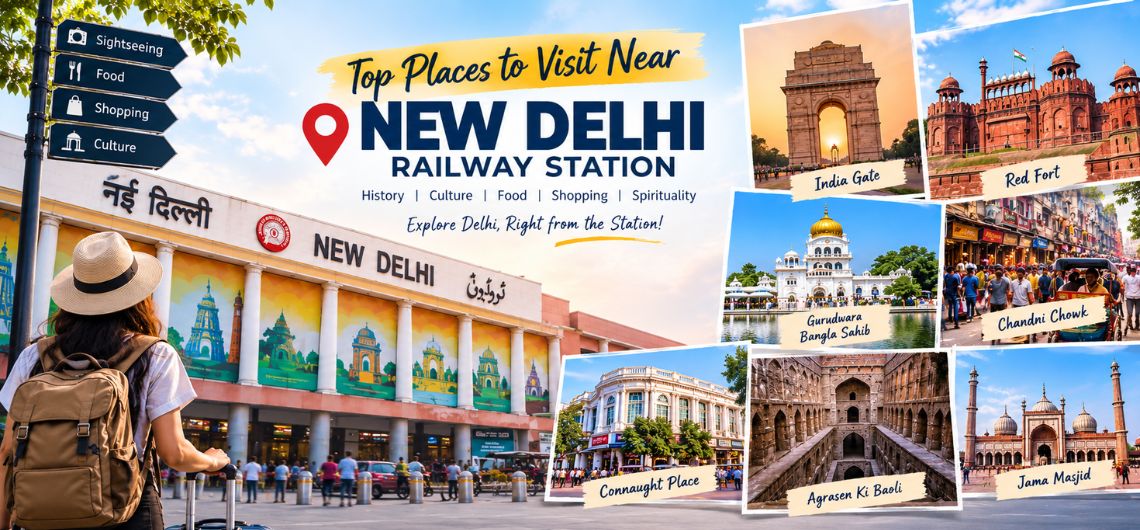
<p>New Delhi Railway Station (NDLS) sits right in the middle of the city, which makes it a genuinely useful base for sightseeing. Among the best places to visit near New Delhi Railway Station are Connaught Place, Jantar Mantar, Chandni Chowk, Jama Masjid and the Red Fort — all reachable within an afternoon. You don't need a full day here; depending on your time, you can wander a market, step inside a centuries-old monument, visit a gurudwara, or grab a meal before your next train.</p>
<!-- /wp:paragraph -->
<!-- wp:paragraph -->
<p>Maybe you've got 3–4 hours before a connecting train. Maybe you've just landed and are staying near the station for a night. Or maybe Delhi is the starting point for a longer trip to Agra or Jaipur. This guide breaks down what's nearby, how long each place takes, and how to plan around it.</p>
<!-- /wp:paragraph -->
<!-- wp:heading -->
<h2 class="wp-block-heading"><strong>Quick List of the Best Places to Visit Near New Delhi Railway Station</strong></h2>
<!-- /wp:heading -->
<!-- wp:table -->
<figure class="wp-block-table"><table class="has-fixed-layout"><tbody><tr><td><strong>Place</strong></td><td><strong>Approx. Distance</strong></td><td><strong>Ideal Visit Time</strong></td><td><strong>Best For</strong></td></tr><tr><td>Connaught Place</td><td>~1.5–2 km</td><td>1–2 hours</td><td>Shopping & food</td></tr><tr><td>Jantar Mantar</td><td>~2 km</td><td>30–60 min</td><td>History</td></tr><tr><td>Gurudwara Bangla Sahib</td><td>~2–3 km</td><td>30–60 min</td><td>Spiritual experience</td></tr><tr><td>Agrasen Ki Baoli</td><td>~2–3 km</td><td>30–45 min</td><td>Architecture & photography</td></tr><tr><td>Chandni Chowk</td><td>~3–4 km</td><td>1–2 hours</td><td>Food & culture</td></tr><tr><td>Jama Masjid</td><td>~3–4 km</td><td>45–60 min</td><td>Mughal architecture</td></tr><tr><td>Red Fort</td><td>~4 km</td><td>1–2 hours</td><td>History</td></tr><tr><td>India Gate</td><td>~4–5 km</td><td>45–60 min</td><td>Landmark & evening visit</td></tr><tr><td>Rashtrapati Bhavan</td><td>~4–5 km</td><td>30–60 min</td><td>Architecture</td></tr><tr><td>Lodhi Garden</td><td>~6–7 km</td><td>1 hour</td><td>Nature & heritage</td></tr></tbody></table></figure>
<!-- /wp:table -->
<!-- wp:paragraph -->
<p>These distances and travel times are approximate. Delhi traffic varies a lot by time of day, so it's worth checking current conditions before you set out.</p>
<!-- /wp:paragraph -->
<!-- wp:heading -->
<h2 class="wp-block-heading"><strong>1. Connaught Place</strong></h2>
<!-- /wp:heading -->
<!-- wp:paragraph -->
<p>Connaught Place, often just called "CP," is probably the easiest of all the <strong>places near New Delhi Railway Station</strong> to reach — a short auto or metro ride gets you there. Its ring of white colonnaded buildings dates to the 1930s, and the inner and outer circles are now packed with cafés, restaurants, bookstores, and local and international brands.</p>
<!-- /wp:paragraph -->
<!-- wp:paragraph -->
<p>Rajiv Chowk Metro Station sits right in the middle of CP. Janpath Market runs just off it if you want handicrafts at a more casual pace. An hour or two is enough to walk the circle and grab a bite; add more if shopping is the plan. This is one of the easiest <strong>things to do near New Delhi Railway Station</strong> when you're short on time and want food, shopping and architecture in one stop.</p>
<!-- /wp:paragraph -->
<!-- wp:heading -->
<h2 class="wp-block-heading"><strong>2. Jantar Mantar</strong></h2>
<!-- /wp:heading -->
<!-- wp:paragraph -->
<p>Jantar Mantar is an 18th-century astronomical observatory on Parliament Street, a few minutes from Connaught Place. Built in 1724 by Maharaja Jai Singh II, its large stone and masonry instruments — used to track celestial positions, time and eclipses — still look strikingly modern.</p>
<!-- /wp:paragraph -->
<!-- wp:paragraph -->
<p>Rajiv Chowk or Patel Chowk metro stations are both close by. Most visitors spend 30–60 minutes here, and mornings are quieter and cooler for photos. Ticket prices and hours change from time to time, so check current details before you go rather than relying on older figures online.</p>
<!-- /wp:paragraph -->
<!-- wp:heading -->
<h2 class="wp-block-heading"><strong>3. Gurudwara Bangla Sahib</strong></h2>
<!-- /wp:heading -->
<!-- wp:paragraph -->
<p>For travelers interested in Delhi's spiritual side, Gurudwara Bangla Sahib is a worthwhile stop. Its golden dome and the large sarovar (holy pool) in front are instantly recognizable, and the gurudwara runs a langar — a free community kitchen — serving thousands of visitors daily regardless of faith.</p>
<!-- /wp:paragraph -->
<!-- wp:paragraph -->
<p>Cover your head with a scarf (available at the entrance) and remove your shoes before entering; modest clothing is appreciated. It's about 20–30 minutes from the station by road, and 30–60 minutes is enough to look around, sit by the sarovar, and see the langar hall. Early morning or evening tends to be calmer than midday.</p>
<!-- /wp:paragraph -->
<!-- wp:heading -->
<h2 class="wp-block-heading"><strong>4. Agrasen Ki Baoli</strong></h2>
<!-- /wp:heading -->
<!-- wp:paragraph -->
<p>Tucked away near Connaught Place, Agrasen Ki Baoli is a 60-metre stepwell believed to have been built or rebuilt in the 14th century. Its rows of symmetrical stone steps descending into the earth make it one of the more photogenic, unusual stops in central Delhi, and it's often overlooked by first-time visitors.</p>
<!-- /wp:paragraph -->
<!-- wp:paragraph -->
<p>You only need 30–45 minutes here, which makes it a good fit for a short layover — it's compact, close to Connaught Place, and doesn't demand a long visit. Photographers tend to linger a bit longer for the light and symmetry.</p>
<!-- /wp:paragraph -->
<!-- wp:heading -->
<h2 class="wp-block-heading"><strong>5. Chandni Chowk</strong></h2>
<!-- /wp:heading -->
<!-- wp:paragraph -->
<p>Chandni Chowk is where you go to feel Old Delhi rather than just see it. This 17th-century market, laid out during Shah Jahan's reign, is a tangle of narrow lanes packed with spice traders, jewellers, textile shops and some of the city's most famous street food — parathas, chaat, jalebis and more.</p>
<!-- /wp:paragraph -->
<!-- wp:paragraph -->
<p>A cycle-rickshaw ride through the lanes is worth doing once. Give yourself 1–2 hours to explore, and keep an eye on your belongings — crowds can get intense, especially in the evening. It sits right next to Jama Masjid and a short walk from the Red Fort, so it pairs naturally with both.</p>
<!-- /wp:paragraph -->
<!-- wp:heading -->
<h2 class="wp-block-heading"><strong>6. Jama Masjid</strong></h2>
<!-- /wp:heading -->
<!-- wp:paragraph -->
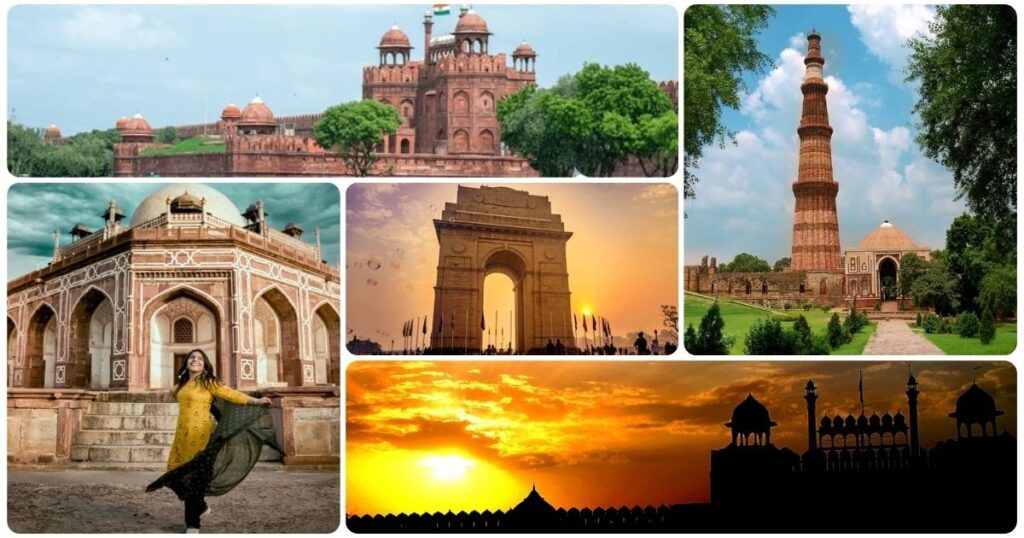
<p>Jama Masjid, completed in 1656 under Shah Jahan, is one of India's largest mosques and a defining example of Mughal-era architecture — red sandstone and white marble, twin minarets, and a courtyard that holds thousands of worshippers. It sits at the edge of Chandni Chowk.</p>
<!-- /wp:paragraph -->
<!-- wp:paragraph -->
<p>Dress modestly; robes are available at the entrance, and non-Muslim visitors are generally welcome outside prayer times. Give it 45–60 minutes, and visit it as an active place of worship rather than purely a photo backdrop.</p>
<!-- /wp:paragraph -->
<!-- wp:heading -->
<h2 class="wp-block-heading"><strong>7. Red Fort</strong></h2>
<!-- /wp:heading -->
<!-- wp:paragraph -->
<p>If you have time for one longer stop, make it the Red Fort. Built by Shah Jahan in the 17th century and named for its massive sandstone walls, it was the seat of Mughal power for nearly 200 years and is now a <a href="https://whc.unesco.org/en/list/231/">UNESCO World Heritage Site</a>.</p>
<!-- /wp:paragraph -->
<!-- wp:paragraph -->
<p>It's about 4 km from NDLS and worth 1–2 hours for its halls, gardens and museums. Early morning means smaller crowds. Because it sits close to Chandni Chowk and Jama Masjid, many travelers combine all three into a single Old Delhi outing — and if you'd rather have this planned out for you, a guided <a href="https://www.indiabeyondtravel.com/delhi-tour/">Delhi Tour Packages</a> itinerary covers this same Old Delhi loop along with India Gate, Humayun's Tomb and other major landmarks in one day.</p>
<!-- /wp:paragraph -->
<!-- wp:heading -->
<h2 class="wp-block-heading"><strong>8. India Gate</strong></h2>
<!-- /wp:heading -->
<!-- wp:paragraph -->
<p>India Gate is one of Delhi's most photographed landmarks — a 42-metre war memorial commemorating soldiers who died in World War I, set at the end of a long stretch of lawns (Rajpath) that come alive in the evening with families, food carts and kite-flyers.</p>
<!-- /wp:paragraph -->
<!-- wp:paragraph -->
<p>It's about 4–5 km from the station, best reached by cab, auto or metro plus a short walk. Give it 45–60 minutes with other Central Delhi stops, longer if you just want to relax on the lawns at sunset.</p>
<!-- /wp:paragraph -->
<!-- wp:heading -->
<h2 class="wp-block-heading"><strong>9. Rashtrapati Bhavan</strong></h2>
<!-- /wp:heading -->
<!-- wp:paragraph -->
<p>Rashtrapati Bhavan, the official residence of the President of India, is a highlight of Lutyens' Delhi — a vast colonial-era complex blending British and Indian styles at the western end of Rajpath, near India Gate.</p>
<!-- /wp:paragraph -->
<!-- wp:paragraph -->
<p>Most visitors see it from outside, since access to the grounds and Mughal Gardens is limited and typically needs advance booking through official channels — don't plan on walking in without checking current arrangements first. 30–60 minutes is enough for photos and the surrounding Central Delhi architecture, including North and South Block.</p>
<!-- /wp:paragraph -->
<!-- wp:heading -->
<h2 class="wp-block-heading"><strong>10. National Museum</strong></h2>
<!-- /wp:heading -->
<!-- wp:paragraph -->
<p>For a deeper dive into Indian history and art, the National Museum holds an extensive collection spanning archaeology, sculpture, textiles and miniature paintings — good context before or after seeing the monuments themselves. It's a little further out but still manageable within a longer layover; budget at least 1–2 hours, or make it a quick pass-through if time is tight.</p>
<!-- /wp:paragraph -->
<!-- wp:heading -->
<h2 class="wp-block-heading"><strong>11. Paharganj</strong></h2>
<!-- /wp:heading -->
<!-- wp:paragraph -->
<p>Paharganj isn't a monument — it's a neighbourhood, and a useful one if you're staying near NDLS. Known for budget hotels, backpacker cafés and a dense main bazaar, it's within easy walking distance of the station for many travelers. The street scene is chaotic in the best and worst ways, so keep bags zipped and valuables close, especially after dark. It's a convenient, low-cost base rather than a sightseeing destination in itself.</p>
<!-- /wp:paragraph -->
<!-- wp:heading -->
<h2 class="wp-block-heading"><strong>12. Janpath Market</strong></h2>
<!-- /wp:heading -->
<!-- wp:paragraph -->
<p>Just off Connaught Place, Janpath Market is good for souvenirs, handicrafts, jewellery and budget clothing — bargaining is expected, so don't take the first price offered. Since it's essentially an extension of the CP area, the two combine easily into one outing; 30–60 minutes is usually enough unless you plan to shop seriously.</p>
<!-- /wp:paragraph -->
<!-- wp:heading -->
<h2 class="wp-block-heading"><strong>Which Places Can You Visit During a Short Layover?</strong></h2>
<!-- /wp:heading -->
<!-- wp:paragraph -->
<p><strong>With 2 hours:</strong> Visit Connaught Place and Jantar Mantar for a quick taste of central Delhi.</p>
<!-- /wp:paragraph -->
<!-- wp:paragraph -->
<p><strong>For a 3–4 hour layover:</strong> Explore Connaught Place, Jantar Mantar, Gurudwara Bangla Sahib, and Agrasen Ki Baoli.</p>
<!-- /wp:paragraph -->
<!-- wp:paragraph -->
<p><strong>A 5–6 hour stopover:</strong> You can comfortably visit Chandni Chowk, Jama Masjid, and the Red Fort.</p>
<!-- /wp:paragraph -->
<!-- wp:paragraph -->
<p><strong>With a full day available:</strong> Discover Old Delhi, including the Red Fort, Jama Masjid, Chandni Chowk, India Gate, and Central Delhi/Connaught Place.</p>
<!-- /wp:paragraph -->
<!-- wp:paragraph -->
<p>Build in a solid buffer before your train departure — Delhi traffic doesn't always cooperate with a tight schedule.</p>
<!-- /wp:paragraph -->
<!-- wp:heading -->
<h2 class="wp-block-heading"><strong>Best Places Near New Delhi Railway Station for Different Travelers</strong></h2>
<!-- /wp:heading -->
<!-- wp:table -->
<figure class="wp-block-table"><table class="has-fixed-layout"><tbody><tr><td><strong>Traveler Type</strong></td><td><strong>Recommended Places</strong></td></tr><tr><td>First-time visitor</td><td>Red Fort, India Gate, Connaught Place</td></tr><tr><td>History lovers</td><td>Red Fort, Jantar Mantar, Jama Masjid</td></tr><tr><td>Food lovers</td><td>Chandni Chowk, Connaught Place</td></tr><tr><td>Shoppers</td><td>Connaught Place, Janpath, Chandni Chowk</td></tr><tr><td>Photographers</td><td>Agrasen Ki Baoli, Red Fort, India Gate</td></tr><tr><td>Spiritual travelers</td><td>Gurudwara Bangla Sahib, Jama Masjid</td></tr><tr><td>Short layover</td><td>Connaught Place, Jantar Mantar</td></tr></tbody></table></figure>
<!-- /wp:table -->
<!-- wp:heading -->
<h2 class="wp-block-heading"><strong>How to Travel from New Delhi Railway Station to Nearby Attractions</strong></h2>
<!-- /wp:heading -->
<!-- wp:image {"id":1941,"width":"1200px","aspectRatio":"1.7142857142857142","scale":"cover","sizeSlug":"large","linkDestination":"none"} -->
<figure class="wp-block-image size-large is-resized"><img src="https://www.indiabeyondtravel.com/storage/2026/09/image-1-1024x597.jpeg" alt="Ways to travel from New Delhi Railway Station to nearby attractions by metro, auto-rickshaw, taxi and walking" class="wp-image-1941" style="aspect-ratio:1.7142857142857142;object-fit:cover;width:1200px;height:auto" title="How to Travel from New Delhi Railway Station to Nearby Attractions"/></figure>
<!-- /wp:image -->
<!-- wp:paragraph -->
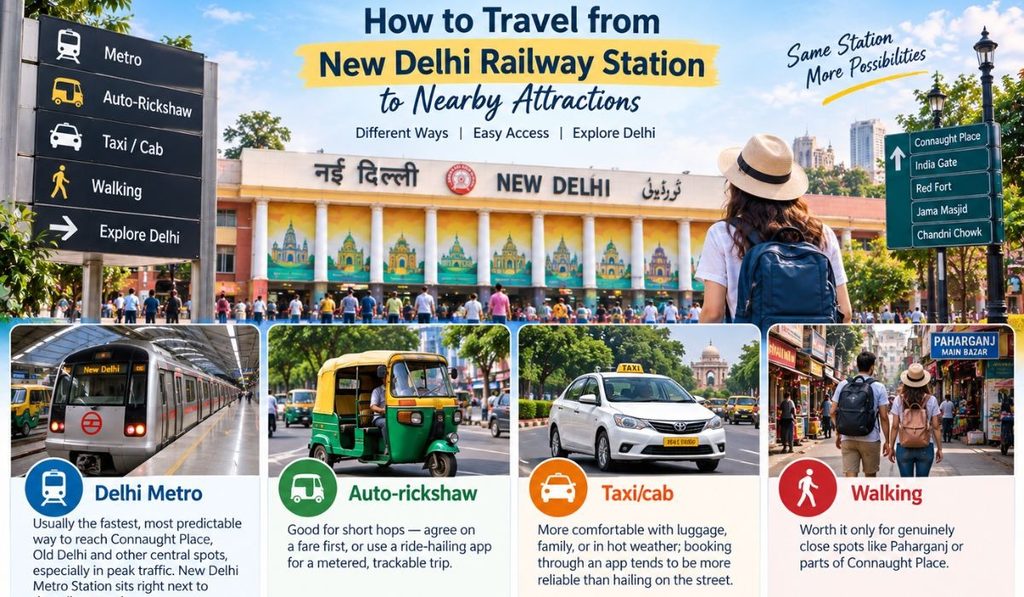
<p><strong>Delhi Metro:</strong> Usually the fastest, most predictable way to reach Connaught Place, Old Delhi and other central spots, especially in peak traffic. New Delhi Metro Station sits right next to the railway station.</p>
<!-- /wp:paragraph -->
<!-- wp:paragraph -->
<p><strong>Auto-rickshaw:</strong> Good for short hops — agree on a fare first, or use a ride-hailing app for a metered, trackable trip.</p>
<!-- /wp:paragraph -->
<!-- wp:paragraph -->
<p><strong>Taxi/cab:</strong> More comfortable with luggage, family, or in hot weather; booking through an app tends to be more reliable than hailing on the street.</p>
<!-- /wp:paragraph -->
<!-- wp:paragraph -->
<p><strong>Walking:</strong> Worth it only for genuinely close spots like Paharganj or parts of Connaught Place.</p>
<!-- /wp:paragraph -->
<!-- wp:paragraph -->
<p>Fares change often, so check current rates through your app or a pre-paid booth at the station rather than relying on a fixed number.</p>
<!-- /wp:paragraph -->
<!-- wp:heading -->
<h2 class="wp-block-heading"><strong>Tips for Sightseeing Near New Delhi Railway Station</strong></h2>
<!-- /wp:heading -->
<!-- wp:list -->
<ul class="wp-block-list"><!-- wp:list-item -->
<li>Keep luggage secure, especially in crowded areas like Chandni Chowk and Paharganj.</li>
<!-- /wp:list-item -->
<!-- wp:list-item -->
<li>Build in extra time for Delhi traffic — it rarely moves as fast as Google Maps suggests.</li>
<!-- /wp:list-item -->
<!-- wp:list-item -->
<li>Keep your train departure time firmly in mind and set a hard turnaround point.</li>
<!-- /wp:list-item -->
<!-- wp:list-item -->
<li>Use official or app-based transport rather than unmetered rides.</li>
<!-- /wp:list-item -->
<!-- wp:list-item -->
<li>Carry water, especially in summer months.</li>
<!-- /wp:list-item -->
<!-- wp:list-item -->
<li>Wear comfortable, closed footwear — you'll be walking more than you expect.</li>
<!-- /wp:list-item -->
<!-- wp:list-item -->
<li>Check monument opening days, closures and current ticket prices before heading out.</li>
<!-- /wp:list-item -->
<!-- wp:list-item -->
<li>Dress modestly at religious sites like Jama Masjid and Gurudwara Bangla Sahib.</li>
<!-- /wp:list-item -->
<!-- wp:list-item -->
<li>Don't try to pack too many attractions into a short layover — two or three done well beats five done in a rush.</li>
<!-- /wp:list-item -->
<!-- wp:list-item -->
<li>Always leave buffer time to get back to the station.</li>
<!-- /wp:list-item --></ul>
<!-- /wp:list -->
<!-- wp:heading -->
<h2 class="wp-block-heading"><strong>Suggested Delhi Sightseeing Itineraries from New Delhi Railway Station</strong></h2>
<!-- /wp:heading -->
<!-- wp:paragraph -->
<p><strong>3-Hour Itinerary:</strong> New Delhi Railway Station → Connaught Place → Jantar Mantar → Return to station</p>
<!-- /wp:paragraph -->
<!-- wp:paragraph -->
<p><strong>5-Hour Itinerary:</strong> New Delhi Railway Station → Chandni Chowk → Jama Masjid → Red Fort → Return to station</p>
<!-- /wp:paragraph -->
<!-- wp:paragraph -->
<p><strong>Full-Day Delhi Itinerary:</strong> New Delhi Railway Station → Old Delhi (Red Fort, Jama Masjid, Chandni Chowk) → India Gate → Connaught Place → Return</p>
<!-- /wp:paragraph -->
<!-- wp:paragraph -->
<p>Actual travel time depends on traffic and crowds — treat these as a starting framework, not a fixed schedule. If you'd rather have this planned and guided for you, an <a href="https://www.indiabeyondtravel.com/tours/old-new-delhi-day-tour/">Old & New Delhi Day Tour</a> covers this same Old Delhi and New Delhi combination in a single guided day. For travelers who have an extra night in the city and want a more relaxed pace instead of packing everything into one day, a <a href="https://www.indiabeyondtravel.com/tours/delhi-overnight-tour-by-car/">Delhi Overnight Tour by Car</a> spreads the sightseeing, markets and food across two days with private transport.</p>
<!-- /wp:paragraph -->
<!-- wp:heading -->
<h2 class="wp-block-heading"><strong>Frequently Asked Questions</strong></h2>
<!-- /wp:heading -->
<!-- wp:paragraph -->
<p><strong>What are the best places to visit near New Delhi Railway Station?</strong> </p>
<!-- /wp:paragraph -->
<!-- wp:paragraph -->
<p>Connaught Place, Jantar Mantar, Gurudwara Bangla Sahib, Chandni Chowk, Jama Masjid and the Red Fort are among the most accessible and worthwhile options.</p>
<!-- /wp:paragraph -->
<!-- wp:paragraph -->
<p><strong>How far is Connaught Place from New Delhi Railway Station?</strong> </p>
<!-- /wp:paragraph -->
<!-- wp:paragraph -->
<p>Roughly 1.5–2 km, making it one of the quickest stops to reach by metro, auto or a short walk.</p>
<!-- /wp:paragraph -->
<!-- wp:paragraph -->
<p><strong>Which tourist places are closest to New Delhi Railway Station?</strong> </p>
<!-- /wp:paragraph -->
<!-- wp:paragraph -->
<p>Connaught Place, Jantar Mantar, Gurudwara Bangla Sahib and Agrasen Ki Baoli are all within about 2–3 km.</p>
<!-- /wp:paragraph -->
<!-- wp:paragraph -->
<p><strong>Can I visit Red Fort from New Delhi Railway Station?</strong> </p>
<!-- /wp:paragraph -->
<!-- wp:paragraph -->
<p>Yes — it's about 4 km away and typically takes 1–2 hours to explore properly.</p>
<!-- /wp:paragraph -->
<!-- wp:paragraph -->
<p><strong>What can I visit near New Delhi Railway Station in 3 hours?</strong> </p>
<!-- /wp:paragraph -->
<!-- wp:paragraph -->
<p>Connaught Place and Jantar Mantar together fit comfortably into a 3-hour window.</p>
<!-- /wp:paragraph -->
<!-- wp:paragraph -->
<p><strong>Is Chandni Chowk near New Delhi Railway Station?</strong> </p>
<!-- /wp:paragraph -->
<!-- wp:paragraph -->
<p>Yes, it's roughly 3–4 km away and easily paired with Jama Masjid and the Red Fort.</p>
<!-- /wp:paragraph -->
<!-- wp:paragraph -->
<p><strong>How can I reach India Gate from New Delhi Railway Station?</strong> </p>
<!-- /wp:paragraph -->
<!-- wp:paragraph -->
<p>By cab, auto-rickshaw, or metro combined with a short walk; it's about 4–5 km from the station.</p>
<!-- /wp:paragraph -->
<!-- wp:paragraph -->
<p><strong>Can I visit the Taj Mahal from New Delhi Railway Station in one day?</strong> </p>
<!-- /wp:paragraph -->
<!-- wp:paragraph -->
<p>Yes, with a full day available, though same-day train tours to Agra depart from Hazrat Nizamuddin Railway Station rather than NDLS, so plan for that transfer.</p>
<!-- /wp:paragraph -->
<!-- wp:paragraph -->
<p><strong>Is New Delhi Railway Station a good starting point for Delhi sightseeing?</strong> </p>
<!-- /wp:paragraph -->
<!-- wp:paragraph -->
<p>Yes — its central location puts most of Old and Central Delhi's major attractions within a short ride.</p>
<!-- /wp:paragraph -->
<!-- wp:heading -->
<h2 class="wp-block-heading"><strong>Conclusion</strong></h2>
<!-- /wp:heading -->
<!-- wp:paragraph -->
<p>New Delhi Railway Station's central location makes it a genuinely convenient base for exploring Delhi, whatever time you're working with. A short layover suits Connaught Place or Jantar Mantar; half a day opens up Old Delhi and the Red Fort; and a full day lets you add India Gate and Central Delhi to the mix.</p>
<!-- /wp:paragraph -->
<!-- wp:paragraph -->
<p>Whether you have a few hours or an entire day, planning your route around New Delhi Railway Station helps you see more of Delhi without rushing.</p>
<!-- /wp:paragraph -->
<!-- wp:paragraph -->
<p></p>
<!-- /wp:paragraph -->
New Delhi Railway Station (NDLS) sits right in the middle of the city, which makes it a genuinely useful base for sightseeing. Among the best places to visit near New Delhi Railway Station are Connaught Place, Jantar Mantar, Chandni Chowk, Jama Masjid and the Red Fort — all reachable within an afternoon. You don’t need a full day here; depending on your time, you can wander a market, step inside a centuries-old monument, visit a gurudwara, or grab a meal before your next train.
Maybe you’ve got 3–4 hours before a connecting train. Maybe you’ve just landed and are staying near the station for a night. Or maybe Delhi is the starting point for a longer trip to Agra or Jaipur. This guide breaks down what’s nearby, how long each place takes, and how to plan around it.
Quick List of the Best Places to Visit Near New Delhi Railway Station
Place
Approx. Distance
Ideal Visit Time
Best For
Connaught Place
~1.5–2 km
1–2 hours
Shopping & food
Jantar Mantar
~2 km
30–60 min
History
Gurudwara Bangla Sahib
~2–3 km
30–60 min
Spiritual experience
Agrasen Ki Baoli
~2–3 km
30–45 min
Architecture & photography
Chandni Chowk
~3–4 km
1–2 hours
Food & culture
Jama Masjid
~3–4 km
45–60 min
Mughal architecture
Red Fort
~4 km
1–2 hours
History
India Gate
~4–5 km
45–60 min
Landmark & evening visit
Rashtrapati Bhavan
~4–5 km
30–60 min
Architecture
Lodhi Garden
~6–7 km
1 hour
Nature & heritage
These distances and travel times are approximate. Delhi traffic varies a lot by time of day, so it’s worth checking current conditions before you set out.
1. Connaught Place
Connaught Place, often just called “CP,” is probably the easiest of all the places near New Delhi Railway Station to reach — a short auto or metro ride gets you there. Its ring of white colonnaded buildings dates to the 1930s, and the inner and outer circles are now packed with cafés, restaurants, bookstores, and local and international brands.
Rajiv Chowk Metro Station sits right in the middle of CP. Janpath Market runs just off it if you want handicrafts at a more casual pace. An hour or two is enough to walk the circle and grab a bite; add more if shopping is the plan. This is one of the easiest things to do near New Delhi Railway Station when you’re short on time and want food, shopping and architecture in one stop.
2. Jantar Mantar
Jantar Mantar is an 18th-century astronomical observatory on Parliament Street, a few minutes from Connaught Place. Built in 1724 by Maharaja Jai Singh II, its large stone and masonry instruments — used to track celestial positions, time and eclipses — still look strikingly modern.
Rajiv Chowk or Patel Chowk metro stations are both close by. Most visitors spend 30–60 minutes here, and mornings are quieter and cooler for photos. Ticket prices and hours change from time to time, so check current details before you go rather than relying on older figures online.
3. Gurudwara Bangla Sahib
For travelers interested in Delhi’s spiritual side, Gurudwara Bangla Sahib is a worthwhile stop. Its golden dome and the large sarovar (holy pool) in front are instantly recognizable, and the gurudwara runs a langar — a free community kitchen — serving thousands of visitors daily regardless of faith.
Cover your head with a scarf (available at the entrance) and remove your shoes before entering; modest clothing is appreciated. It’s about 20–30 minutes from the station by road, and 30–60 minutes is enough to look around, sit by the sarovar, and see the langar hall. Early morning or evening tends to be calmer than midday.
4. Agrasen Ki Baoli
Tucked away near Connaught Place, Agrasen Ki Baoli is a 60-metre stepwell believed to have been built or rebuilt in the 14th century. Its rows of symmetrical stone steps descending into the earth make it one of the more photogenic, unusual stops in central Delhi, and it’s often overlooked by first-time visitors.
You only need 30–45 minutes here, which makes it a good fit for a short layover — it’s compact, close to Connaught Place, and doesn’t demand a long visit. Photographers tend to linger a bit longer for the light and symmetry.
5. Chandni Chowk
Chandni Chowk is where you go to feel Old Delhi rather than just see it. This 17th-century market, laid out during Shah Jahan’s reign, is a tangle of narrow lanes packed with spice traders, jewellers, textile shops and some of the city’s most famous street food — parathas, chaat, jalebis and more.
A cycle-rickshaw ride through the lanes is worth doing once. Give yourself 1–2 hours to explore, and keep an eye on your belongings — crowds can get intense, especially in the evening. It sits right next to Jama Masjid and a short walk from the Red Fort, so it pairs naturally with both.
6. Jama Masjid
Jama Masjid, completed in 1656 under Shah Jahan, is one of India’s largest mosques and a defining example of Mughal-era architecture — red sandstone and white marble, twin minarets, and a courtyard that holds thousands of worshippers. It sits at the edge of Chandni Chowk.
Dress modestly; robes are available at the entrance, and non-Muslim visitors are generally welcome outside prayer times. Give it 45–60 minutes, and visit it as an active place of worship rather than purely a photo backdrop.
7. Red Fort
If you have time for one longer stop, make it the Red Fort. Built by Shah Jahan in the 17th century and named for its massive sandstone walls, it was the seat of Mughal power for nearly 200 years and is now a UNESCO World Heritage Site.
It’s about 4 km from NDLS and worth 1–2 hours for its halls, gardens and museums. Early morning means smaller crowds. Because it sits close to Chandni Chowk and Jama Masjid, many travelers combine all three into a single Old Delhi outing — and if you’d rather have this planned out for you, a guided Delhi Tour Packages itinerary covers this same Old Delhi loop along with India Gate, Humayun’s Tomb and other major landmarks in one day.
8. India Gate
India Gate is one of Delhi’s most photographed landmarks — a 42-metre war memorial commemorating soldiers who died in World War I, set at the end of a long stretch of lawns (Rajpath) that come alive in the evening with families, food carts and kite-flyers.
It’s about 4–5 km from the station, best reached by cab, auto or metro plus a short walk. Give it 45–60 minutes with other Central Delhi stops, longer if you just want to relax on the lawns at sunset.
9. Rashtrapati Bhavan
Rashtrapati Bhavan, the official residence of the President of India, is a highlight of Lutyens’ Delhi — a vast colonial-era complex blending British and Indian styles at the western end of Rajpath, near India Gate.
Most visitors see it from outside, since access to the grounds and Mughal Gardens is limited and typically needs advance booking through official channels — don’t plan on walking in without checking current arrangements first. 30–60 minutes is enough for photos and the surrounding Central Delhi architecture, including North and South Block.
10. National Museum
For a deeper dive into Indian history and art, the National Museum holds an extensive collection spanning archaeology, sculpture, textiles and miniature paintings — good context before or after seeing the monuments themselves. It’s a little further out but still manageable within a longer layover; budget at least 1–2 hours, or make it a quick pass-through if time is tight.
11. Paharganj
Paharganj isn’t a monument — it’s a neighbourhood, and a useful one if you’re staying near NDLS. Known for budget hotels, backpacker cafés and a dense main bazaar, it’s within easy walking distance of the station for many travelers. The street scene is chaotic in the best and worst ways, so keep bags zipped and valuables close, especially after dark. It’s a convenient, low-cost base rather than a sightseeing destination in itself.
12. Janpath Market
Just off Connaught Place, Janpath Market is good for souvenirs, handicrafts, jewellery and budget clothing — bargaining is expected, so don’t take the first price offered. Since it’s essentially an extension of the CP area, the two combine easily into one outing; 30–60 minutes is usually enough unless you plan to shop seriously.
Which Places Can You Visit During a Short Layover?
With 2 hours: Visit Connaught Place and Jantar Mantar for a quick taste of central Delhi.
For a 3–4 hour layover: Explore Connaught Place, Jantar Mantar, Gurudwara Bangla Sahib, and Agrasen Ki Baoli.
A 5–6 hour stopover: You can comfortably visit Chandni Chowk, Jama Masjid, and the Red Fort.
With a full day available: Discover Old Delhi, including the Red Fort, Jama Masjid, Chandni Chowk, India Gate, and Central Delhi/Connaught Place.
Build in a solid buffer before your train departure — Delhi traffic doesn’t always cooperate with a tight schedule.
Best Places Near New Delhi Railway Station for Different Travelers
Traveler Type
Recommended Places
First-time visitor
Red Fort, India Gate, Connaught Place
History lovers
Red Fort, Jantar Mantar, Jama Masjid
Food lovers
Chandni Chowk, Connaught Place
Shoppers
Connaught Place, Janpath, Chandni Chowk
Photographers
Agrasen Ki Baoli, Red Fort, India Gate
Spiritual travelers
Gurudwara Bangla Sahib, Jama Masjid
Short layover
Connaught Place, Jantar Mantar
How to Travel from New Delhi Railway Station to Nearby Attractions
Delhi Metro: Usually the fastest, most predictable way to reach Connaught Place, Old Delhi and other central spots, especially in peak traffic. New Delhi Metro Station sits right next to the railway station.
Auto-rickshaw: Good for short hops — agree on a fare first, or use a ride-hailing app for a metered, trackable trip.
Taxi/cab: More comfortable with luggage, family, or in hot weather; booking through an app tends to be more reliable than hailing on the street.
Walking: Worth it only for genuinely close spots like Paharganj or parts of Connaught Place.
Fares change often, so check current rates through your app or a pre-paid booth at the station rather than relying on a fixed number.
Tips for Sightseeing Near New Delhi Railway Station
Keep luggage secure, especially in crowded areas like Chandni Chowk and Paharganj.
Build in extra time for Delhi traffic — it rarely moves as fast as Google Maps suggests.
Keep your train departure time firmly in mind and set a hard turnaround point.
Use official or app-based transport rather than unmetered rides.
Carry water, especially in summer months.
Wear comfortable, closed footwear — you’ll be walking more than you expect.
Check monument opening days, closures and current ticket prices before heading out.
Dress modestly at religious sites like Jama Masjid and Gurudwara Bangla Sahib.
Don’t try to pack too many attractions into a short layover — two or three done well beats five done in a rush.
Always leave buffer time to get back to the station.
Suggested Delhi Sightseeing Itineraries from New Delhi Railway Station
3-Hour Itinerary: New Delhi Railway Station → Connaught Place → Jantar Mantar → Return to station
5-Hour Itinerary: New Delhi Railway Station → Chandni Chowk → Jama Masjid → Red Fort → Return to station
Full-Day Delhi Itinerary: New Delhi Railway Station → Old Delhi (Red Fort, Jama Masjid, Chandni Chowk) → India Gate → Connaught Place → Return
Actual travel time depends on traffic and crowds — treat these as a starting framework, not a fixed schedule. If you’d rather have this planned and guided for you, an Old & New Delhi Day Tour covers this same Old Delhi and New Delhi combination in a single guided day. For travelers who have an extra night in the city and want a more relaxed pace instead of packing everything into one day, a Delhi Overnight Tour by Car spreads the sightseeing, markets and food across two days with private transport.
Frequently Asked Questions
What are the best places to visit near New Delhi Railway Station?
Connaught Place, Jantar Mantar, Gurudwara Bangla Sahib, Chandni Chowk, Jama Masjid and the Red Fort are among the most accessible and worthwhile options.
How far is Connaught Place from New Delhi Railway Station?
Roughly 1.5–2 km, making it one of the quickest stops to reach by metro, auto or a short walk.
Which tourist places are closest to New Delhi Railway Station?
Connaught Place, Jantar Mantar, Gurudwara Bangla Sahib and Agrasen Ki Baoli are all within about 2–3 km.
Can I visit Red Fort from New Delhi Railway Station?
Yes — it’s about 4 km away and typically takes 1–2 hours to explore properly.
What can I visit near New Delhi Railway Station in 3 hours?
Connaught Place and Jantar Mantar together fit comfortably into a 3-hour window.
Is Chandni Chowk near New Delhi Railway Station?
Yes, it’s roughly 3–4 km away and easily paired with Jama Masjid and the Red Fort.
How can I reach India Gate from New Delhi Railway Station?
By cab, auto-rickshaw, or metro combined with a short walk; it’s about 4–5 km from the station.
Can I visit the Taj Mahal from New Delhi Railway Station in one day?
Yes, with a full day available, though same-day train tours to Agra depart from Hazrat Nizamuddin Railway Station rather than NDLS, so plan for that transfer.
Is New Delhi Railway Station a good starting point for Delhi sightseeing?
Yes — its central location puts most of Old and Central Delhi’s major attractions within a short ride.
Conclusion
New Delhi Railway Station’s central location makes it a genuinely convenient base for exploring Delhi, whatever time you’re working with. A short layover suits Connaught Place or Jantar Mantar; half a day opens up Old Delhi and the Red Fort; and a full day lets you add India Gate and Central Delhi to the mix.
Whether you have a few hours or an entire day, planning your route around New Delhi Railway Station helps you see more of Delhi without rushing.
<!-- wp:paragraph -->
<p>Ranthambore National Park is one of India's most sought-after wildlife destinations, drawing travelers who hope to spot a tiger in its natural habitat. Because vehicle permits are limited and demand is high, careful <strong>Ranthambore safari booking</strong> planning matters just as much as choosing where to stay or what to pack.</p>
<!-- /wp:paragraph -->
<!-- wp:paragraph -->
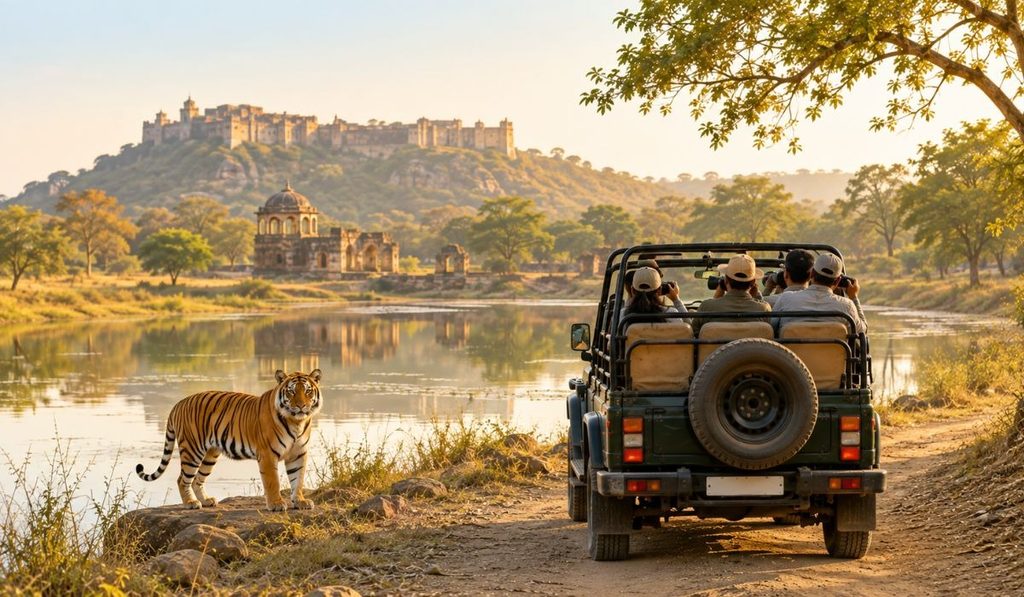
<p>Most visitors quickly discover there are two main ways to experience the park: the Jeep Safari and the Canter Safari. Here's the short answer if you're deciding right now: a <strong>Jeep Safari</strong> generally suits travelers who want a smaller group and a more private experience, while a <strong>Canter Safari</strong> works well for larger groups or those looking for a shared, budget-friendly outing. Neither option can guarantee a tiger sighting — Ranthambore is a wild, unpredictable ecosystem, not a zoo.</p>
<!-- /wp:paragraph -->
<!-- wp:paragraph -->
<p>This guide walks through everything involved in booking a Ranthambore safari, from choosing a vehicle to understanding zones, timings, and costs.</p>
<!-- /wp:paragraph -->
<!-- wp:heading -->
<h2 class="wp-block-heading"><strong>What Is a Ranthambore Safari?</strong></h2>
<!-- /wp:heading -->
<!-- wp:paragraph -->
<p>Ranthambore National Park, located in Rajasthan, is one of India's best-known tiger reserves. A safari here means entering the park in a permitted vehicle, accompanied by a naturalist or guide, to observe wildlife in its natural surroundings.</p>
<!-- /wp:paragraph -->
<!-- wp:paragraph -->
<p>While tigers are the park's biggest draw, Ranthambore's ecosystem is much broader. Travelers may also encounter deer, langurs, crocodiles, wild boar, and a wide variety of birdlife, though no sighting can ever be promised.</p>
<!-- /wp:paragraph -->
<!-- wp:paragraph -->
<p>Vehicle choice matters because it affects group size, mobility inside the park, and the overall pace of the experience. Safaris also operate on a permit and zone-allocation system, meaning your vehicle is assigned to a specific route within the park rather than free movement throughout it. Understanding this system early makes the rest of your <strong>Ranthambore safari booking</strong> process much smoother.</p>
<!-- /wp:paragraph -->
<!-- wp:heading -->
<h2 class="wp-block-heading"><strong>Jeep vs Canter Safari in Ranthambore</strong></h2>
<!-- /wp:heading -->
<!-- wp:paragraph -->
<p>Both vehicle types are officially permitted inside Ranthambore, and each has a different experience profile.</p>
<!-- /wp:paragraph -->
<!-- wp:table -->
<figure class="wp-block-table"><table class="has-fixed-layout"><tbody><tr><td><strong>Feature</strong></td><td><strong>Jeep Safari</strong></td><td><strong>Canter Safari</strong></td></tr><tr><td>Vehicle type</td><td>Open jeep</td><td>Open canter</td></tr><tr><td>Group size</td><td>Smaller</td><td>Larger</td></tr><tr><td>Experience</td><td>More intimate</td><td>More social</td></tr><tr><td>Photography</td><td>Good flexibility</td><td>Good for general wildlife viewing</td></tr><tr><td>Privacy</td><td>Higher</td><td>Lower</td></tr><tr><td>Best for</td><td>Couples, families, photographers</td><td>Groups and budget-conscious travelers</td></tr><tr><td>Booking</td><td>Advance booking recommended</td><td>Advance booking recommended</td></tr></tbody></table></figure>
<!-- /wp:table -->
<!-- wp:paragraph -->
<p>A <strong>Jeep Safari in Ranthambore</strong> allows more flexibility in movement and angle for photography, since fewer people are sharing the vehicle. A <strong>Canter Safari in Ranthambore</strong> tends to work better for larger families or groups traveling together, since it accommodates more passengers per booking. Neither is automatically "better" — the right choice depends on your group size, budget, and priorities.</p>
<!-- /wp:paragraph -->
<!-- wp:heading -->
<h2 class="wp-block-heading"><strong>How to Book a Ranthambore Safari</strong></h2>
<!-- /wp:heading -->
<!-- wp:paragraph -->
<p>Booking a safari involves a few clear steps. Doing this correctly reduces last-minute stress and helps you plan the rest of your trip around it.</p>
<!-- /wp:paragraph -->
<!-- wp:heading {"level":3} -->
<h3 class="wp-block-heading"><strong>1. Choose Your Travel Date</strong></h3>
<!-- /wp:heading -->
<!-- wp:paragraph -->
<p>Decide your safari date before finalizing hotel bookings or transport. Since permits are limited per session, your travel date directly affects vehicle and zone availability.</p>
<!-- /wp:paragraph -->
<!-- wp:heading {"level":3} -->
<h3 class="wp-block-heading"><strong>2. Choose Jeep or Canter</strong></h3>
<!-- /wp:heading -->
<!-- wp:paragraph -->
<p>Base this decision on your group size, budget, desired privacy level, and photography plans. Availability on your preferred date can also influence which option makes sense.</p>
<!-- /wp:paragraph -->
<!-- wp:heading {"level":3} -->
<h3 class="wp-block-heading"><strong>3. Select a Safari Timing</strong></h3>
<!-- /wp:heading -->
<!-- wp:paragraph -->
<p>Ranthambore typically runs safaris in morning and afternoon/evening sessions. Wildlife activity and lighting conditions can vary between the two, so consider what matters more to you — cooler temperatures or golden-hour light.</p>
<!-- /wp:paragraph -->
<!-- wp:heading {"level":3} -->
<h3 class="wp-block-heading"><strong>4. Provide Traveler Details</strong></h3>
<!-- /wp:heading -->
<!-- wp:paragraph -->
<p>Most <strong>Ranthambore safari ticket booking</strong> systems require accurate traveler names and valid identification details, since this information is used for the official permit. Double-check spellings and ID numbers before submitting.</p>
<!-- /wp:paragraph -->
<!-- wp:heading {"level":3} -->
<h3 class="wp-block-heading"><strong>5. Check Zone/Permit Details</strong></h3>
<!-- /wp:heading -->
<!-- wp:paragraph -->
<p>Visitors are usually assigned to a specific safari zone based on availability and park allocation rules at the time of booking. It's worth understanding this system in advance so there are no surprises on safari day.</p>
<!-- /wp:paragraph -->
<!-- wp:heading {"level":3} -->
<h3 class="wp-block-heading"><strong>6. Confirm the Booking</strong></h3>
<!-- /wp:heading -->
<!-- wp:paragraph -->
<p>Once confirmed, keep your booking confirmation and identification documents accessible — you'll need both to enter the park.</p>
<!-- /wp:paragraph -->
<!-- wp:heading -->
<h2 class="wp-block-heading"><strong>How Far in Advance Should You Book a Ranthambore Safari?</strong></h2>
<!-- /wp:heading -->
<!-- wp:paragraph -->
<p>There's no universal rule guaranteeing a booking window, since availability shifts constantly. That said, a few patterns are worth knowing:</p>
<!-- /wp:paragraph -->
<!-- wp:list -->
<ul class="wp-block-list"><!-- wp:list-item -->
<li>Peak season (typically October through March) sees significantly higher demand.</li>
<!-- /wp:list-item -->
<!-- wp:list-item -->
<li>Weekends and Indian holiday periods fill up faster than weekdays.</li>
<!-- /wp:list-item -->
<!-- wp:list-item -->
<li>Vehicle permits per zone and session are limited, so popular dates can sell out.</li>
<!-- /wp:list-item -->
<!-- wp:list-item -->
<li>Last-minute booking carries real risk of your preferred vehicle type or timing being unavailable.</li>
<!-- /wp:list-item --></ul>
<!-- /wp:list -->
<!-- wp:paragraph -->
<p>International travelers, in particular, should plan their <strong>Ranthambore safari booking online</strong> well ahead of their trip, since flights and other logistics are harder to adjust once booked.</p>
<!-- /wp:paragraph -->
<!-- wp:heading -->
<h2 class="wp-block-heading"><strong>Ranthambore Safari Timings</strong></h2>
<!-- /wp:heading -->
<!-- wp:paragraph -->
<p>Safari timings are seasonal and tied to sunrise and sunset, along with park regulations that can be updated by forest authorities.</p>
<!-- /wp:paragraph -->
<!-- wp:list -->
<ul class="wp-block-list"><!-- wp:list-item -->
<li><strong>Morning safari:</strong> Usually begins shortly after sunrise, when temperatures are cooler.</li>
<!-- /wp:list-item -->
<!-- wp:list-item -->
<li><strong>Afternoon safari:</strong> Runs in the second half of the day, ending near sunset.</li>
<!-- /wp:list-item -->
<!-- wp:list-item -->
<li><strong>Seasonal variation:</strong> Exact start and end times shift across summer, winter, and monsoon closure periods.</li>
<!-- /wp:list-item --></ul>
<!-- /wp:list -->
<!-- wp:paragraph -->
<p>Always verify the current safari schedule directly with the park or your booking provider before finalizing your travel plans.</p>
<!-- /wp:paragraph -->
<!-- wp:heading -->
<h2 class="wp-block-heading"><strong>Ranthambore Safari Zones Explained</strong></h2>
<!-- /wp:heading -->
<!-- wp:paragraph -->
<p>Ranthambore is divided into multiple safari zones, and vehicles are typically allocated to one zone per safari session rather than allowed to roam across all of them.</p>
<!-- /wp:paragraph -->
<!-- wp:paragraph -->
<p>Zone allocation depends on availability at the time of booking, and travelers cannot always guarantee a specific zone in advance. It's also important not to treat any particular zone as a guarantee of tiger sightings — animal movement across the park is naturally unpredictable. An experienced guide or naturalist can significantly enhance the experience by helping you interpret tracks, calls, and other wildlife behavior, even on a safari without a tiger sighting.</p>
<!-- /wp:paragraph -->
<!-- wp:heading -->
<h2 class="wp-block-heading"><strong>Jeep Safari in Ranthambore: Who Should Choose It?</strong></h2>
<!-- /wp:heading -->
<!-- wp:image {"id":1934,"width":"1200px","aspectRatio":"1.7142857142857142","scale":"cover","sizeSlug":"large","linkDestination":"none"} -->
<figure class="wp-block-image size-large is-resized"><img src="https://www.indiabeyondtravel.com/storage/2026/09/image-1024x597.jpeg" alt="Ranthambore Jeep Safari with tourists viewing a tiger near a lake with Ranthambore Fort in the background." class="wp-image-1934" style="aspect-ratio:1.7142857142857142;object-fit:cover;width:1200px;height:auto" title="Ranthambore Jeep Safari with Tiger and Ranthambore Fort"/></figure>
<!-- /wp:image -->
<!-- wp:paragraph -->
<p>A Jeep Safari tends to suit:</p>
<!-- /wp:paragraph -->
<!-- wp:list -->
<ul class="wp-block-list"><!-- wp:list-item -->
<li>Couples wanting a quieter, more personal outing</li>
<!-- /wp:list-item -->
<!-- wp:list-item -->
<li>Families who prefer a smaller group setting</li>
<!-- /wp:list-item -->
<!-- wp:list-item -->
<li>Wildlife photographers who need more room to adjust position and gear</li>
<!-- /wp:list-item -->
<!-- wp:list-item -->
<li>Serious wildlife enthusiasts focused on close observation</li>
<!-- /wp:list-item --></ul>
<!-- /wp:list -->
<!-- wp:paragraph -->
<p>The main limitation is cost — jeeps are generally priced higher per person than canters, and availability can be tighter during peak dates.</p>
<!-- /wp:paragraph -->
<!-- wp:heading -->
<h2 class="wp-block-heading"><strong>Canter Safari in Ranthambore: Who Should Choose It?</strong></h2>
<!-- /wp:heading -->
<!-- wp:paragraph -->
<p>A Canter Safari tends to suit:</p>
<!-- /wp:paragraph -->
<!-- wp:list -->
<ul class="wp-block-list"><!-- wp:list-item -->
<li>Larger groups traveling together</li>
<!-- /wp:list-item -->
<!-- wp:list-item -->
<li>Families with several members across different age groups</li>
<!-- /wp:list-item -->
<!-- wp:list-item -->
<li>First-time safari visitors exploring the park for the first time</li>
<!-- /wp:list-item -->
<!-- wp:list-item -->
<li>Travelers comfortable with a shared, social safari experience</li>
<!-- /wp:list-item -->
<!-- wp:list-item -->
<li>Visitors comparing safari options across different budgets</li>
<!-- /wp:list-item --></ul>
<!-- /wp:list -->
<!-- wp:paragraph -->
<p>Canter Safari should not be viewed as automatically inferior — it remains a fully valid way to experience Ranthambore's wildlife and landscapes, especially for groups.</p>
<!-- /wp:paragraph -->
<!-- wp:heading -->
<h2 class="wp-block-heading"><strong>How Much Does a Ranthambore Safari Cost?</strong></h2>
<!-- /wp:heading -->
<!-- wp:paragraph -->
<p>Rather than quoting a fixed number that may quickly become outdated, it's more useful to understand what actually influences <strong>Ranthambore safari price</strong>:</p>
<!-- /wp:paragraph -->
<!-- wp:list -->
<ul class="wp-block-list"><!-- wp:list-item -->
<li>Vehicle type (Jeep typically costs more per person than Canter)</li>
<!-- /wp:list-item -->
<!-- wp:list-item -->
<li>Time of session (morning vs. afternoon/evening)</li>
<!-- /wp:list-item -->
<!-- wp:list-item -->
<li>Season and overall demand</li>
<!-- /wp:list-item -->
<!-- wp:list-item -->
<li>Booking channel used</li>
<!-- /wp:list-item -->
<!-- wp:list-item -->
<li>Park entry and permit charges</li>
<!-- /wp:list-item -->
<!-- wp:list-item -->
<li>Applicable taxes or service fees</li>
<!-- /wp:list-item -->
<!-- wp:list-item -->
<li>Optional guide, naturalist, or transportation add-ons</li>
<!-- /wp:list-item --></ul>
<!-- /wp:list -->
<!-- wp:paragraph -->
<p>Prices can change based on park policy updates, so always confirm current rates at the time of booking rather than relying on older figures.</p>
<!-- /wp:paragraph -->
<!-- wp:heading -->
<h2 class="wp-block-heading"><strong>Best Time to Book a Ranthambore Safari</strong></h2>
<!-- /wp:heading -->
<!-- wp:paragraph -->
<p>It helps to separate "best time to book" from "best time to visit" — they're related but not identical questions.</p>
<!-- /wp:paragraph -->
<!-- wp:paragraph -->
<p><strong>From a booking perspective</strong>, demand tends to rise sharply during peak season (roughly October to March) and around weekends and holidays, so booking earlier gives you more flexibility on vehicle type, timing, and zone.</p>
<!-- /wp:paragraph -->
<!-- wp:paragraph -->
<p><strong>From a wildlife perspective</strong>, different seasons bring different conditions:</p>
<!-- /wp:paragraph -->
<!-- wp:list -->
<ul class="wp-block-list"><!-- wp:list-item -->
<li>Cooler months can mean more comfortable safari conditions for visitors.</li>
<!-- /wp:list-item -->
<!-- wp:list-item -->
<li>Warmer months sometimes bring animals closer to waterholes, which can affect visibility.</li>
<!-- /wp:list-item -->
<!-- wp:list-item -->
<li>Photography conditions vary with light, dust, and foliage across the year.</li>
<!-- /wp:list-item --></ul>
<!-- /wp:list -->
<!-- wp:paragraph -->
<p>No single month can promise better tiger sightings — seasonal patterns influence probability, not certainty.</p>
<!-- /wp:paragraph -->
<!-- wp:heading -->
<h2 class="wp-block-heading"><strong>What to Carry for a Ranthambore Safari</strong></h2>
<!-- /wp:heading -->
<!-- wp:paragraph -->
<p>A simple checklist can save you from an uncomfortable morning:</p>
<!-- /wp:paragraph -->
<!-- wp:list -->
<ul class="wp-block-list"><!-- wp:list-item -->
<li>Safari booking confirmation</li>
<!-- /wp:list-item -->
<!-- wp:list-item -->
<li>Valid ID</li>
<!-- /wp:list-item -->
<!-- wp:list-item -->
<li>Comfortable, weather-appropriate clothing</li>
<!-- /wp:list-item -->
<!-- wp:list-item -->
<li>Light jacket during cooler months</li>
<!-- /wp:list-item -->
<!-- wp:list-item -->
<li>Hat or cap</li>
<!-- /wp:list-item -->
<!-- wp:list-item -->
<li>Sunglasses</li>
<!-- /wp:list-item -->
<!-- wp:list-item -->
<li>Sunscreen</li>
<!-- /wp:list-item -->
<!-- wp:list-item -->
<li>Binoculars</li>
<!-- /wp:list-item -->
<!-- wp:list-item -->
<li>Camera and extra batteries or a power bank</li>
<!-- /wp:list-item -->
<!-- wp:list-item -->
<li>Water bottle</li>
<!-- /wp:list-item -->
<!-- wp:list-item -->
<li>Comfortable, closed shoes</li>
<!-- /wp:list-item --></ul>
<!-- /wp:list -->
<!-- wp:paragraph -->
<p>Luggage restrictions and park rules apply inside the vehicle, so pack light and follow your guide's instructions.</p>
<!-- /wp:paragraph -->
<!-- wp:heading -->
<h2 class="wp-block-heading"><strong>Ranthambore Safari Photography Tips</strong></h2>
<!-- /wp:heading -->
<!-- wp:list -->
<ul class="wp-block-list"><!-- wp:list-item -->
<li>Carry a telephoto lens if you have one — most sightings happen at a distance.</li>
<!-- /wp:list-item -->
<!-- wp:list-item -->
<li>Avoid using flash, as it can disturb wildlife.</li>
<!-- /wp:list-item -->
<!-- wp:list-item -->
<li>Keep your camera settings ready before entering the park so you're not fumbling during a sighting.</li>
<!-- /wp:list-item -->
<!-- wp:list-item -->
<li>Make use of early morning and late afternoon light, which tends to be softer.</li>
<!-- /wp:list-item -->
<!-- wp:list-item -->
<li>Photograph landscapes, birds, and smaller wildlife rather than waiting only for a tiger.</li>
<!-- /wp:list-item -->
<!-- wp:list-item -->
<li>Follow your naturalist or driver's instructions on vehicle positioning at all times.</li>
<!-- /wp:list-item -->
<!-- wp:list-item -->
<li>Never encourage disturbance of an animal just to get a better shot.</li>
<!-- /wp:list-item --></ul>
<!-- /wp:list -->
<!-- wp:heading -->
<h2 class="wp-block-heading"><strong>Common Ranthambore Safari Booking Mistakes</strong></h2>
<!-- /wp:heading -->
<!-- wp:list -->
<ul class="wp-block-list"><!-- wp:list-item -->
<li>Booking too late and losing access to preferred dates or vehicles</li>
<!-- /wp:list-item -->
<!-- wp:list-item -->
<li>Choosing a vehicle type without considering actual group size</li>
<!-- /wp:list-item -->
<!-- wp:list-item -->
<li>Assuming a particular zone guarantees a tiger sighting</li>
<!-- /wp:list-item -->
<!-- wp:list-item -->
<li>Ignoring seasonal timing changes</li>
<!-- /wp:list-item -->
<!-- wp:list-item -->
<li>Submitting incorrect traveler details during booking</li>
<!-- /wp:list-item -->
<!-- wp:list-item -->
<li>Forgetting to carry required identification documents</li>
<!-- /wp:list-item -->
<!-- wp:list-item -->
<li>Expecting every safari to produce a tiger sighting</li>
<!-- /wp:list-item -->
<!-- wp:list-item -->
<li>Booking without understanding exactly what's included</li>
<!-- /wp:list-item -->
<!-- wp:list-item -->
<li>Underestimating travel time between cities before or after the safari</li>
<!-- /wp:list-item --></ul>
<!-- /wp:list -->
<!-- wp:heading -->
<h2 class="wp-block-heading"><strong>Can You Combine Ranthambore With the Golden Triangle?</strong></h2>
<!-- /wp:heading -->
<!-- wp:paragraph -->
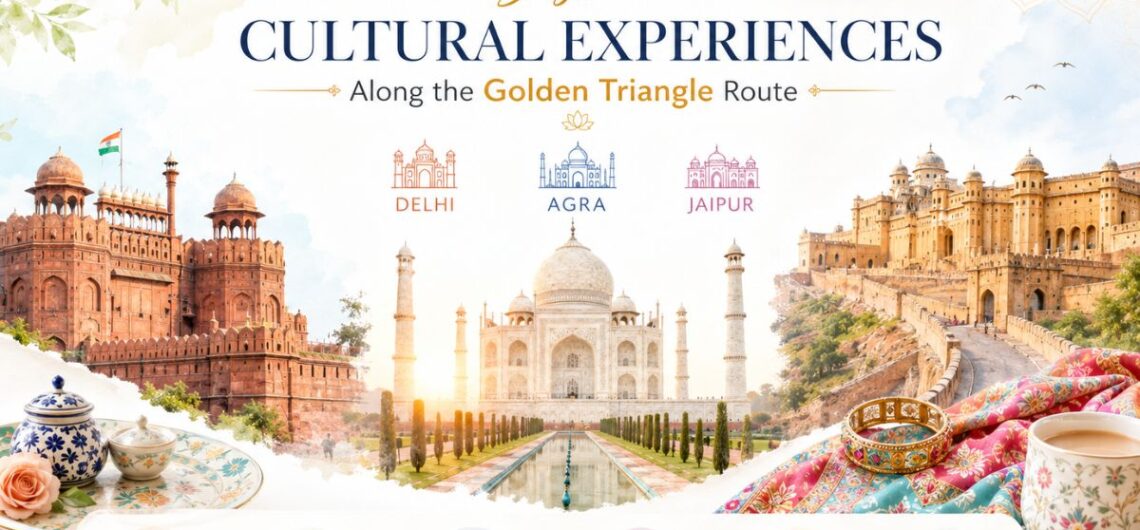
<p>Yes — many travelers combine a Ranthambore safari with India's classic Delhi–Agra–Jaipur circuit, often following a route like <strong>Delhi → Agra → Ranthambore → Jaipur</strong>.</p>
<!-- /wp:paragraph -->
<!-- wp:paragraph -->
<p>This combination works well because it pairs India's most iconic heritage sites with a genuine wildlife experience, without requiring a separate trip. Most travelers benefit from allowing at least one full day (including an overnight stay) near Ranthambore so the safari doesn't feel rushed between long road transfers.</p>
<!-- /wp:paragraph -->
<!-- wp:paragraph -->
<p>This itinerary style particularly suits travelers who want cultural landmarks and nature in a single trip, rather than choosing one over the other. Since road transfers between these cities can take several hours, it's worth building enough buffer time into the schedule rather than trying to compress everything into back-to-back days. If you are planning to combine wildlife with India's famous Delhi, Agra and Jaipur circuit, a <a href="https://www.indiabeyondtravel.com/tours/golden-triangle-tour-with-ranthambore/">Golden Triangle Tour with Ranthambore</a> can be a convenient way to include a tiger safari within a larger North India itinerary. India Beyond Travel's current tour combines Delhi, Agra, Jaipur and Ranthambore, including a Jeep or Canter safari experience.</p>
<!-- /wp:paragraph -->
<!-- wp:heading -->
<h2 class="wp-block-heading"><strong>Is a Ranthambore Safari Worth Booking?</strong></h2>
<!-- /wp:heading -->
<!-- wp:paragraph -->
<p><strong>Pros:</strong></p>
<!-- /wp:paragraph -->
<!-- wp:list -->
<ul class="wp-block-list"><!-- wp:list-item -->
<li>A genuine chance to see tigers in a natural habitat</li>
<!-- /wp:list-item -->
<!-- wp:list-item -->
<li>Scenic forest and lake landscapes within the park</li>
<!-- /wp:list-item -->
<!-- wp:list-item -->
<li>Strong photography opportunities for wildlife and nature</li>
<!-- /wp:list-item -->
<!-- wp:list-item -->
<li>Easy to combine with a broader Rajasthan or Golden Triangle trip</li>
<!-- /wp:list-item --></ul>
<!-- /wp:list -->
<!-- wp:paragraph -->
<p><strong>Considerations:</strong></p>
<!-- /wp:paragraph -->
<!-- wp:list -->
<ul class="wp-block-list"><!-- wp:list-item -->
<li>Tiger sightings are never guaranteed, regardless of zone or season</li>
<!-- /wp:list-item -->
<!-- wp:list-item -->
<li>Safari conditions (dust, heat, or cold) vary through the year</li>
<!-- /wp:list-item -->
<!-- wp:list-item -->
<li>Early morning starts can be tiring for some travelers</li>
<!-- /wp:list-item -->
<!-- wp:list-item -->
<li>Vehicle availability can be limited during peak periods</li>
<!-- /wp:list-item -->
<!-- wp:list-item -->
<li>Weather affects both comfort and visibility during the drive</li>
<!-- /wp:list-item --></ul>
<!-- /wp:list -->
<!-- wp:paragraph -->
<p>On balance, most wildlife-focused and first-time international travelers find the experience worthwhile, provided expectations around sightings stay realistic. Travelers who want to combine Ranthambore with other wildlife and heritage destinations can also explore India Beyond Travel's <a href="https://www.indiabeyondtravel.com/wildlife-tours/">Wildlife Tour Packages India</a>. The site's wildlife collection currently includes a Delhi-to-Ranthambore safari expedition and other wildlife-focused itineraries.</p>
<!-- /wp:paragraph -->
<!-- wp:heading -->
<h2 class="wp-block-heading"><strong>Frequently Asked Questions</strong></h2>
<!-- /wp:heading -->
<!-- wp:heading {"level":3} -->
<h3 class="wp-block-heading"><strong>How do I book a Ranthambore safari?</strong></h3>
<!-- /wp:heading -->
<!-- wp:paragraph -->
<p>You can book by selecting a travel date, choosing between Jeep or Canter, picking a morning or afternoon session, and submitting traveler details along with valid identification. Confirmation is usually provided once the booking is processed through the applicable system, so keep that confirmation handy for entry.</p>
<!-- /wp:paragraph -->
<!-- wp:heading {"level":3} -->
<h3 class="wp-block-heading"><strong>Is Jeep Safari better than Canter Safari in Ranthambore?</strong></h3>
<!-- /wp:heading -->
<!-- wp:paragraph -->
<p>Neither is universally "better" — it depends on your priorities. Jeep Safari suits smaller groups wanting privacy and photography flexibility, while Canter Safari works well for larger groups and travelers comparing budgets. Both are valid, fully permitted ways to explore the park.</p>
<!-- /wp:paragraph -->
<!-- wp:heading {"level":3} -->
<h3 class="wp-block-heading"><strong>What is the difference between Jeep and Canter Safari?</strong></h3>
<!-- /wp:heading -->
<!-- wp:paragraph -->
<p>A Jeep Safari uses a smaller open vehicle with fewer passengers, offering a more intimate experience. A Canter Safari uses a larger open vehicle that accommodates more people, making it a practical, social option for bigger groups or families.</p>
<!-- /wp:paragraph -->
<!-- wp:heading {"level":3} -->
<h3 class="wp-block-heading"><strong>How early should I book a Ranthambore safari?</strong></h3>
<!-- /wp:heading -->
<!-- wp:paragraph -->
<p>There's no fixed rule, but booking well in advance is strongly recommended, especially during peak season (October–March) and around weekends or holidays. Availability depends on your travel dates, chosen vehicle type, and overall demand at the time.</p>
<!-- /wp:paragraph -->
<!-- wp:heading {"level":3} -->
<h3 class="wp-block-heading"><strong>Can I choose my Ranthambore safari zone?</strong></h3>
<!-- /wp:heading -->
<!-- wp:paragraph -->
<p>Zone allocation depends on availability at the time of booking and park rules, so a specific zone cannot always be guaranteed in advance. Travelers can express a preference, but final allocation is subject to the booking system and park regulations.</p>
<!-- /wp:paragraph -->
<!-- wp:heading {"level":3} -->
<h3 class="wp-block-heading"><strong>Are tiger sightings guaranteed in Ranthambore?</strong></h3>
<!-- /wp:heading -->
<!-- wp:paragraph -->
<p>No. Ranthambore is a wild, natural ecosystem, and tiger movement is unpredictable. While many safaris do result in sightings, no zone, season, or vehicle type can promise one — every visit should be approached with realistic expectations.</p>
<!-- /wp:paragraph -->
<!-- wp:heading {"level":3} -->
<h3 class="wp-block-heading"><strong>What should I carry for a Ranthambore safari?</strong></h3>
<!-- /wp:heading -->
<!-- wp:paragraph -->
<p>Carry your booking confirmation, valid ID, comfortable clothing, a hat, sunglasses, sunscreen, binoculars, a camera with spare batteries, water, and comfortable shoes. A light jacket is useful during cooler months, and luggage restrictions inside the vehicle should be followed.</p>
<!-- /wp:paragraph -->
<!-- wp:heading {"level":3} -->
<h3 class="wp-block-heading"><strong>What is the best time for a Ranthambore safari?</strong></h3>
<!-- /wp:heading -->
<!-- wp:paragraph -->
<p>The cooler months from October to March are generally popular for comfortable safari conditions, while summer can bring animals closer to waterholes. Each season offers a different experience, and no single month guarantees better tiger sightings.</p>
<!-- /wp:paragraph -->
<!-- wp:heading {"level":3} -->
<h3 class="wp-block-heading"><strong>Can I combine Ranthambore with the Golden Triangle?</strong></h3>
<!-- /wp:heading -->
<!-- wp:paragraph -->
<p>Yes, Ranthambore is commonly combined with the Delhi–Agra–Jaipur Golden Triangle circuit, often following a Delhi → Agra → Ranthambore → Jaipur route. This lets travelers experience India's heritage landmarks alongside a wildlife safari in one connected itinerary.</p>
<!-- /wp:paragraph -->
<!-- wp:heading -->
<h2 class="wp-block-heading"><strong>Final Thoughts</strong></h2>
<!-- /wp:heading -->
<!-- wp:paragraph -->
<p>Booking a Ranthambore safari is straightforward once you understand the process: pick your dates early, choose Jeep or Canter based on your group and priorities, keep your documents ready, and go in with realistic expectations about sightings. Seasonal timings, zone allocation, and pricing can all shift, so it's worth confirming details close to your travel dates rather than relying on older information.</p>
<!-- /wp:paragraph -->
<!-- wp:paragraph -->
<p>For many travelers, the most efficient approach is pairing Ranthambore with Rajasthan's cultural highlights. Travelers who have not yet decided between a classic heritage itinerary and a wildlife extension can compare different <a href="https://www.indiabeyondtravel.com/golden-triangle-tour/">Golden Triangle Tour Packages</a> before finalizing their route — the collection includes 3-, 4-, 5- and 6-day options as well as extended itineraries featuring Ranthambore and other destinations. If you want to combine your Ranthambore safari with other destinations, explore the available <a href="https://www.indiabeyondtravel.com/tours/">India tour packages</a> and choose an itinerary that matches your travel duration and interests.</p>
<!-- /wp:paragraph -->
<!-- wp:paragraph -->
<p>Planning to include a tiger safari in your India itinerary? Explore the <a href="https://www.indiabeyondtravel.com/tours/golden-triangle-tour-with-ranthambore/">Golden Triangle Tour with Ranthambore</a> to combine India's historic landmarks with a memorable wildlife experience.</p>
<!-- /wp:paragraph -->
<!-- wp:paragraph -->
<p></p>
<!-- /wp:paragraph -->
Ranthambore National Park is one of India’s most sought-after wildlife destinations, drawing travelers who hope to spot a tiger in its natural habitat. Because vehicle permits are limited and demand is high, careful Ranthambore safari booking planning matters just as much as choosing where to stay or what to pack.
Most visitors quickly discover there are two main ways to experience the park: the Jeep Safari and the Canter Safari. Here’s the short answer if you’re deciding right now: a Jeep Safari generally suits travelers who want a smaller group and a more private experience, while a Canter Safari works well for larger groups or those looking for a shared, budget-friendly outing. Neither option can guarantee a tiger sighting — Ranthambore is a wild, unpredictable ecosystem, not a zoo.
This guide walks through everything involved in booking a Ranthambore safari, from choosing a vehicle to understanding zones, timings, and costs.
What Is a Ranthambore Safari?
Ranthambore National Park, located in Rajasthan, is one of India’s best-known tiger reserves. A safari here means entering the park in a permitted vehicle, accompanied by a naturalist or guide, to observe wildlife in its natural surroundings.
While tigers are the park’s biggest draw, Ranthambore’s ecosystem is much broader. Travelers may also encounter deer, langurs, crocodiles, wild boar, and a wide variety of birdlife, though no sighting can ever be promised.
Vehicle choice matters because it affects group size, mobility inside the park, and the overall pace of the experience. Safaris also operate on a permit and zone-allocation system, meaning your vehicle is assigned to a specific route within the park rather than free movement throughout it. Understanding this system early makes the rest of your Ranthambore safari booking process much smoother.
Jeep vs Canter Safari in Ranthambore
Both vehicle types are officially permitted inside Ranthambore, and each has a different experience profile.
Feature
Jeep Safari
Canter Safari
Vehicle type
Open jeep
Open canter
Group size
Smaller
Larger
Experience
More intimate
More social
Photography
Good flexibility
Good for general wildlife viewing
Privacy
Higher
Lower
Best for
Couples, families, photographers
Groups and budget-conscious travelers
Booking
Advance booking recommended
Advance booking recommended
A Jeep Safari in Ranthambore allows more flexibility in movement and angle for photography, since fewer people are sharing the vehicle. A Canter Safari in Ranthambore tends to work better for larger families or groups traveling together, since it accommodates more passengers per booking. Neither is automatically “better” — the right choice depends on your group size, budget, and priorities.
How to Book a Ranthambore Safari
Booking a safari involves a few clear steps. Doing this correctly reduces last-minute stress and helps you plan the rest of your trip around it.
1. Choose Your Travel Date
Decide your safari date before finalizing hotel bookings or transport. Since permits are limited per session, your travel date directly affects vehicle and zone availability.
2. Choose Jeep or Canter
Base this decision on your group size, budget, desired privacy level, and photography plans. Availability on your preferred date can also influence which option makes sense.
3. Select a Safari Timing
Ranthambore typically runs safaris in morning and afternoon/evening sessions. Wildlife activity and lighting conditions can vary between the two, so consider what matters more to you — cooler temperatures or golden-hour light.
4. Provide Traveler Details
Most Ranthambore safari ticket booking systems require accurate traveler names and valid identification details, since this information is used for the official permit. Double-check spellings and ID numbers before submitting.
5. Check Zone/Permit Details
Visitors are usually assigned to a specific safari zone based on availability and park allocation rules at the time of booking. It’s worth understanding this system in advance so there are no surprises on safari day.
6. Confirm the Booking
Once confirmed, keep your booking confirmation and identification documents accessible — you’ll need both to enter the park.
How Far in Advance Should You Book a Ranthambore Safari?
There’s no universal rule guaranteeing a booking window, since availability shifts constantly. That said, a few patterns are worth knowing:
Peak season (typically October through March) sees significantly higher demand.
Weekends and Indian holiday periods fill up faster than weekdays.
Vehicle permits per zone and session are limited, so popular dates can sell out.
Last-minute booking carries real risk of your preferred vehicle type or timing being unavailable.
International travelers, in particular, should plan their Ranthambore safari booking online well ahead of their trip, since flights and other logistics are harder to adjust once booked.
Ranthambore Safari Timings
Safari timings are seasonal and tied to sunrise and sunset, along with park regulations that can be updated by forest authorities.
Morning safari: Usually begins shortly after sunrise, when temperatures are cooler.
Afternoon safari: Runs in the second half of the day, ending near sunset.
Seasonal variation: Exact start and end times shift across summer, winter, and monsoon closure periods.
Always verify the current safari schedule directly with the park or your booking provider before finalizing your travel plans.
Ranthambore Safari Zones Explained
Ranthambore is divided into multiple safari zones, and vehicles are typically allocated to one zone per safari session rather than allowed to roam across all of them.
Zone allocation depends on availability at the time of booking, and travelers cannot always guarantee a specific zone in advance. It’s also important not to treat any particular zone as a guarantee of tiger sightings — animal movement across the park is naturally unpredictable. An experienced guide or naturalist can significantly enhance the experience by helping you interpret tracks, calls, and other wildlife behavior, even on a safari without a tiger sighting.
Jeep Safari in Ranthambore: Who Should Choose It?
A Jeep Safari tends to suit:
Couples wanting a quieter, more personal outing
Families who prefer a smaller group setting
Wildlife photographers who need more room to adjust position and gear
Serious wildlife enthusiasts focused on close observation
The main limitation is cost — jeeps are generally priced higher per person than canters, and availability can be tighter during peak dates.
Canter Safari in Ranthambore: Who Should Choose It?
A Canter Safari tends to suit:
Larger groups traveling together
Families with several members across different age groups
First-time safari visitors exploring the park for the first time
Travelers comfortable with a shared, social safari experience
Visitors comparing safari options across different budgets
Canter Safari should not be viewed as automatically inferior — it remains a fully valid way to experience Ranthambore’s wildlife and landscapes, especially for groups.
How Much Does a Ranthambore Safari Cost?
Rather than quoting a fixed number that may quickly become outdated, it’s more useful to understand what actually influences Ranthambore safari price:
Vehicle type (Jeep typically costs more per person than Canter)
Time of session (morning vs. afternoon/evening)
Season and overall demand
Booking channel used
Park entry and permit charges
Applicable taxes or service fees
Optional guide, naturalist, or transportation add-ons
Prices can change based on park policy updates, so always confirm current rates at the time of booking rather than relying on older figures.
Best Time to Book a Ranthambore Safari
It helps to separate “best time to book” from “best time to visit” — they’re related but not identical questions.
From a booking perspective, demand tends to rise sharply during peak season (roughly October to March) and around weekends and holidays, so booking earlier gives you more flexibility on vehicle type, timing, and zone.
From a wildlife perspective, different seasons bring different conditions:
Cooler months can mean more comfortable safari conditions for visitors.
Warmer months sometimes bring animals closer to waterholes, which can affect visibility.
Photography conditions vary with light, dust, and foliage across the year.
No single month can promise better tiger sightings — seasonal patterns influence probability, not certainty.
What to Carry for a Ranthambore Safari
A simple checklist can save you from an uncomfortable morning:
Safari booking confirmation
Valid ID
Comfortable, weather-appropriate clothing
Light jacket during cooler months
Hat or cap
Sunglasses
Sunscreen
Binoculars
Camera and extra batteries or a power bank
Water bottle
Comfortable, closed shoes
Luggage restrictions and park rules apply inside the vehicle, so pack light and follow your guide’s instructions.
Ranthambore Safari Photography Tips
Carry a telephoto lens if you have one — most sightings happen at a distance.
Avoid using flash, as it can disturb wildlife.
Keep your camera settings ready before entering the park so you’re not fumbling during a sighting.
Make use of early morning and late afternoon light, which tends to be softer.
Photograph landscapes, birds, and smaller wildlife rather than waiting only for a tiger.
Follow your naturalist or driver’s instructions on vehicle positioning at all times.
Never encourage disturbance of an animal just to get a better shot.
Common Ranthambore Safari Booking Mistakes
Booking too late and losing access to preferred dates or vehicles
Choosing a vehicle type without considering actual group size
Assuming a particular zone guarantees a tiger sighting
Ignoring seasonal timing changes
Submitting incorrect traveler details during booking
Forgetting to carry required identification documents
Expecting every safari to produce a tiger sighting
Booking without understanding exactly what’s included
Underestimating travel time between cities before or after the safari
Can You Combine Ranthambore With the Golden Triangle?
Yes — many travelers combine a Ranthambore safari with India’s classic Delhi–Agra–Jaipur circuit, often following a route like Delhi → Agra → Ranthambore → Jaipur.
This combination works well because it pairs India’s most iconic heritage sites with a genuine wildlife experience, without requiring a separate trip. Most travelers benefit from allowing at least one full day (including an overnight stay) near Ranthambore so the safari doesn’t feel rushed between long road transfers.
This itinerary style particularly suits travelers who want cultural landmarks and nature in a single trip, rather than choosing one over the other. Since road transfers between these cities can take several hours, it’s worth building enough buffer time into the schedule rather than trying to compress everything into back-to-back days. If you are planning to combine wildlife with India’s famous Delhi, Agra and Jaipur circuit, a Golden Triangle Tour with Ranthambore can be a convenient way to include a tiger safari within a larger North India itinerary. India Beyond Travel’s current tour combines Delhi, Agra, Jaipur and Ranthambore, including a Jeep or Canter safari experience.
Is a Ranthambore Safari Worth Booking?
Pros:
A genuine chance to see tigers in a natural habitat
Scenic forest and lake landscapes within the park
Strong photography opportunities for wildlife and nature
Easy to combine with a broader Rajasthan or Golden Triangle trip
Considerations:
Tiger sightings are never guaranteed, regardless of zone or season
Safari conditions (dust, heat, or cold) vary through the year
Early morning starts can be tiring for some travelers
Vehicle availability can be limited during peak periods
Weather affects both comfort and visibility during the drive
On balance, most wildlife-focused and first-time international travelers find the experience worthwhile, provided expectations around sightings stay realistic. Travelers who want to combine Ranthambore with other wildlife and heritage destinations can also explore India Beyond Travel’s Wildlife Tour Packages India. The site’s wildlife collection currently includes a Delhi-to-Ranthambore safari expedition and other wildlife-focused itineraries.
Frequently Asked Questions
How do I book a Ranthambore safari?
You can book by selecting a travel date, choosing between Jeep or Canter, picking a morning or afternoon session, and submitting traveler details along with valid identification. Confirmation is usually provided once the booking is processed through the applicable system, so keep that confirmation handy for entry.
Is Jeep Safari better than Canter Safari in Ranthambore?
Neither is universally “better” — it depends on your priorities. Jeep Safari suits smaller groups wanting privacy and photography flexibility, while Canter Safari works well for larger groups and travelers comparing budgets. Both are valid, fully permitted ways to explore the park.
What is the difference between Jeep and Canter Safari?
A Jeep Safari uses a smaller open vehicle with fewer passengers, offering a more intimate experience. A Canter Safari uses a larger open vehicle that accommodates more people, making it a practical, social option for bigger groups or families.
How early should I book a Ranthambore safari?
There’s no fixed rule, but booking well in advance is strongly recommended, especially during peak season (October–March) and around weekends or holidays. Availability depends on your travel dates, chosen vehicle type, and overall demand at the time.
Can I choose my Ranthambore safari zone?
Zone allocation depends on availability at the time of booking and park rules, so a specific zone cannot always be guaranteed in advance. Travelers can express a preference, but final allocation is subject to the booking system and park regulations.
Are tiger sightings guaranteed in Ranthambore?
No. Ranthambore is a wild, natural ecosystem, and tiger movement is unpredictable. While many safaris do result in sightings, no zone, season, or vehicle type can promise one — every visit should be approached with realistic expectations.
What should I carry for a Ranthambore safari?
Carry your booking confirmation, valid ID, comfortable clothing, a hat, sunglasses, sunscreen, binoculars, a camera with spare batteries, water, and comfortable shoes. A light jacket is useful during cooler months, and luggage restrictions inside the vehicle should be followed.
What is the best time for a Ranthambore safari?
The cooler months from October to March are generally popular for comfortable safari conditions, while summer can bring animals closer to waterholes. Each season offers a different experience, and no single month guarantees better tiger sightings.
Can I combine Ranthambore with the Golden Triangle?
Yes, Ranthambore is commonly combined with the Delhi–Agra–Jaipur Golden Triangle circuit, often following a Delhi → Agra → Ranthambore → Jaipur route. This lets travelers experience India’s heritage landmarks alongside a wildlife safari in one connected itinerary.
Final Thoughts
Booking a Ranthambore safari is straightforward once you understand the process: pick your dates early, choose Jeep or Canter based on your group and priorities, keep your documents ready, and go in with realistic expectations about sightings. Seasonal timings, zone allocation, and pricing can all shift, so it’s worth confirming details close to your travel dates rather than relying on older information.
For many travelers, the most efficient approach is pairing Ranthambore with Rajasthan’s cultural highlights. Travelers who have not yet decided between a classic heritage itinerary and a wildlife extension can compare different Golden Triangle Tour Packages before finalizing their route — the collection includes 3-, 4-, 5- and 6-day options as well as extended itineraries featuring Ranthambore and other destinations. If you want to combine your Ranthambore safari with other destinations, explore the available India tour packages and choose an itinerary that matches your travel duration and interests.
Planning to include a tiger safari in your India itinerary? Explore the Golden Triangle Tour with Ranthambore to combine India’s historic landmarks with a memorable wildlife experience.
<!-- wp:paragraph -->
<p>Most travelers first hear about the Golden Triangle as a route connecting three famous monuments: the Red Fort, the Taj Mahal and Amber Fort. But the Golden Triangle cultural experiences go far beyond these iconic landmarks, offering a journey through centuries of Indian culture — from Mughal courts and Rajput kingdoms to colonial history and everyday city life, all within a few hundred kilometers of each other. </p>
<!-- /wp:paragraph -->
<!-- wp:paragraph -->
<p>Seeing the monuments is only half the story. The best cultural experiences along the Golden Triangle route happen in the spaces between the sightseeing stops — in the smell of spices in a Delhi market, the tap of a chisel in an Agra marble workshop, or the color of block-printed cotton drying outside a Jaipur bazaar. Food, crafts, festivals, architecture and daily rituals all add depth to a trip that could otherwise feel like a checklist.</p>
<!-- /wp:paragraph -->
<!-- wp:paragraph -->
<p>This guide looks at how travelers can experience the culture of Delhi, Agra and Jaipur, not just visit them, with practical suggestions for food, markets, heritage sites and etiquette along the way.</p>
<!-- /wp:paragraph -->
<!-- wp:heading -->
<h2 class="wp-block-heading">What Makes the Golden Triangle a Cultural Journey?</h2>
<!-- /wp:heading -->
<!-- wp:paragraph -->
<p>Each city on the route carries a distinct cultural identity, shaped by different rulers, geography and traditions.</p>
<!-- /wp:paragraph -->
<!-- wp:table -->
<figure class="wp-block-table"><table class="has-fixed-layout"><tbody><tr><td><strong>Destination</strong></td><td><strong>Cultural Identity</strong></td></tr><tr><td>Delhi</td><td>Mughal, colonial and modern Indian culture</td></tr><tr><td>Agra</td><td>Mughal heritage, marble craftsmanship and local traditions</td></tr><tr><td>Jaipur</td><td>Rajput heritage, crafts, cuisine and Rajasthani traditions</td></tr></tbody></table></figure>
<!-- /wp:table -->
<!-- wp:paragraph -->
<p>Traveling between the three cities means moving through layers of history rather than a single narrative. In practical terms, this shows up in everyday details: the architecture on a street corner, the ingredients used in a local dish, the pattern on a hand-block-printed scarf, or the melody drifting from a temple courtyard. Visitors who pay attention to these details — alongside religious heritage, festivals, traditional clothing and handicrafts — come away with a far richer picture of India than a monument-only itinerary can offer.</p>
<!-- /wp:paragraph -->
<!-- wp:heading -->
<h2 class="wp-block-heading">Best Cultural Experiences in Delhi</h2>
<!-- /wp:heading -->
<!-- wp:paragraph -->
<p>Delhi's culture is built in layers. Mughal-era monuments sit close to colonial-era buildings, and both exist alongside a fast-moving modern capital.</p>
<!-- /wp:paragraph -->
<!-- wp:heading {"level":3} -->
<h3 class="wp-block-heading">Explore Old Delhi's Historic Streets</h3>
<!-- /wp:heading -->
<!-- wp:paragraph -->
<p>Old Delhi, centered around Chandni Chowk, is one of the best places to feel the city's older rhythms. The narrow lanes are lined with historic havelis, small workshops and family-run shops that have operated for generations. Wandering here — rather than rushing through — reveals how commerce, religion and daily life overlap in a small area.</p>
<!-- /wp:paragraph -->
<!-- wp:paragraph -->
<p>Near the Jama Masjid, the streets fill with vendors, spice traders and worshippers, especially around prayer times. A slow walk through this part of the city, ideally with a knowledgeable guide, gives context that's easy to miss on a quick drive-by.</p>
<!-- /wp:paragraph -->
<!-- wp:heading {"level":3} -->
<h3 class="wp-block-heading">Experience Delhi's Mughal Heritage</h3>
<!-- /wp:heading -->
<!-- wp:paragraph -->
<p>Delhi's Mughal history is visible in sites like the Red Fort, Jama Masjid and Humayun's Tomb. Each reflects a different stage of Mughal architecture and ambition. The Red Fort was the seat of Mughal power for centuries, Jama Masjid remains one of India's largest working mosques, and Humayun's Tomb is often cited as an early influence on the design later refined in the Taj Mahal. Understanding this progression helps travelers see these sites as part of a connected story rather than isolated attractions.</p>
<!-- /wp:paragraph -->
<!-- wp:heading {"level":3} -->
<h3 class="wp-block-heading">Try Traditional Delhi Food</h3>
<!-- /wp:heading -->
<!-- wp:paragraph -->
<p>Delhi's food culture is one of its most accessible entry points into local life. Parathas stuffed with potatoes or paneer, chaat with its mix of tangy and spicy flavors, kebabs rooted in Mughlai cuisine, and traditional sweets are all part of the everyday food landscape. For street food, it's worth choosing vendors that are visibly busy with local customers and maintain clean preparation areas — a good, simple way to balance an authentic experience with food safety.</p>
<!-- /wp:paragraph -->
<!-- wp:heading {"level":3} -->
<h3 class="wp-block-heading">Explore Delhi's Markets and Handicrafts</h3>
<!-- /wp:heading -->
<!-- wp:paragraph -->
<p>Markets across Delhi offer a hands-on introduction to Indian textiles, jewelry, spices and handicrafts. Traditional clothing, embroidered fabrics and regional spice blends are common finds, and even browsing without buying gives a sense of the variety of craft traditions represented in the capital.</p>
<!-- /wp:paragraph -->
<!-- wp:heading -->
<h2 class="wp-block-heading">Best Cultural Experiences in Agra</h2>
<!-- /wp:heading -->
<!-- wp:paragraph -->
<p>Agra is often treated as a single-stop city built around the Taj Mahal, but its cultural offerings extend well beyond that one monument.</p>
<!-- /wp:paragraph -->
<!-- wp:heading {"level":3} -->
<h3 class="wp-block-heading">Learn the Story Behind Mughal Architecture</h3>
<!-- /wp:heading -->
<!-- wp:paragraph -->
<p>The Taj Mahal, Agra Fort and Itmad-ud-Daulah together tell a fuller story of Mughal architectural evolution — from the red sandstone fortifications of Agra Fort to the intricate marble work of Itmad-ud-Daulah, sometimes called the “Baby Taj,” and finally the refined symmetry of the Taj Mahal itself. Knowing the history behind each site — who built it, why, and what came before it — turns a photo stop into a more meaningful visit.</p>
<!-- /wp:paragraph -->
<!-- wp:heading {"level":3} -->
<h3 class="wp-block-heading">Discover Agra's Marble Inlay Craft</h3>
<!-- /wp:heading -->
<!-- wp:paragraph -->
<p>Agra is closely associated with pietra dura, the marble inlay technique used to decorate the Taj Mahal with semi-precious stones set into white marble. This craft is still practiced by artisan families in the city today, many of whom trace their skills back generations to the original craftsmen. Visiting a workshop to watch marble being cut, shaped and inlaid by hand offers a direct connection to the techniques behind Agra's most famous monument.</p>
<!-- /wp:paragraph -->
<!-- wp:heading {"level":3} -->
<h3 class="wp-block-heading">Explore Agra's Local Markets</h3>
<!-- /wp:heading -->
<!-- wp:paragraph -->
<p>Agra's markets are known for marble souvenirs, leather products, handicrafts and traditional artwork. Shopping here can be a genuinely interesting cultural activity, especially when browsing artisan-made pieces, but it's worth treating it as optional rather than a mandatory part of the visit. A little familiarity with local shopping etiquette — polite bargaining, comparing a few shops, and taking time rather than buying under pressure — makes the experience more enjoyable.</p>
<!-- /wp:paragraph -->
<!-- wp:heading {"level":3} -->
<h3 class="wp-block-heading">Taste Agra's Local Cuisine</h3>
<!-- /wp:heading -->
<!-- wp:paragraph -->
<p>Petha, a translucent sweet made from ash gourd, is Agra's best-known local specialty, alongside Mughlai dishes, savory snacks and traditional sweets found throughout the old city. Trying a few of these dishes is an easy way to connect food back to the city's Mughal-era roots.</p>
<!-- /wp:paragraph -->
<!-- wp:heading -->
<h2 class="wp-block-heading">Best Cultural Experiences in Jaipur</h2>
<!-- /wp:heading -->
<!-- wp:paragraph -->
<p>Of the three cities, Jaipur offers the most immersive window into Rajasthan's royal and folk traditions.</p>
<!-- /wp:paragraph -->
<!-- wp:heading {"level":3} -->
<h3 class="wp-block-heading">Explore Jaipur's Royal Heritage</h3>
<!-- /wp:heading -->
<!-- wp:paragraph -->
<p>Amber Fort, City Palace, Hawa Mahal and Jantar Mantar each reflect a different aspect of Rajput and royal Jaipur. Amber Fort showcases military architecture blended with palace design, City Palace remains a living link to the former royal family, Hawa Mahal was built for royal women to observe street life while remaining unseen, and Jantar Mantar reveals the scientific ambitions of Maharaja Jai Singh II through its astronomical instruments. Together, these sites illustrate how Jaipur's rulers balanced power, culture and knowledge.</p>
<!-- /wp:paragraph -->
<!-- wp:heading {"level":3} -->
<h3 class="wp-block-heading">Walk Through Jaipur's Traditional Markets</h3>
<!-- /wp:heading -->
<!-- wp:paragraph -->
<p>Jaipur's bazaars, especially Johari Bazaar and Bapu Bazaar, are known for jewelry, textiles, block-printed fabrics and handicrafts. These markets aren't just for shopping; they're a working demonstration of skills passed down through generations of local artisan families.</p>
<!-- /wp:paragraph -->
<!-- wp:heading {"level":3} -->
<h3 class="wp-block-heading">Experience Rajasthani Handicrafts</h3>
<!-- /wp:heading -->
<!-- wp:paragraph -->
<p>Jaipur is a center for block printing, blue pottery, jewelry-making and textile work. Many of these crafts can be observed directly, whether through a workshop visit or a market stall where artisans work in view of visitors, giving a closer look at techniques that have shaped Rajasthani design for centuries.</p>
<!-- /wp:paragraph -->
<!-- wp:heading {"level":3} -->
<h3 class="wp-block-heading">Taste Traditional Rajasthani Food</h3>
<!-- /wp:heading -->
<!-- wp:paragraph -->
<p>Dishes like Dal Baati Churma, Gatte ki Sabzi, Ker Sangri and Ghevar reflect Rajasthan's desert geography and culinary traditions. A traditional Rajasthani thali, which typically includes several of these dishes together, is one of the simplest and most complete ways to experience regional food culture in a single sitting.</p>
<!-- /wp:paragraph -->
<!-- wp:heading -->
<h2 class="wp-block-heading">10 Cultural Experiences You Should Not Miss</h2>
<!-- /wp:heading -->
<!-- wp:paragraph -->
<p>1. Explore Old Delhi's historic lanes — Wander through Chandni Chowk to see how commerce, faith and daily life intersect in one of Delhi's oldest neighborhoods.</p>
<!-- /wp:paragraph -->
<!-- wp:paragraph -->
<p>2. Taste traditional Indian street food — Sample parathas, chaat and kebabs from busy, reputable vendors for an authentic (and safe) taste of local flavors.</p>
<!-- /wp:paragraph -->
<!-- wp:paragraph -->
<p>3. Visit Mughal heritage sites — See how Mughal architecture evolved from the Red Fort in Delhi to the Taj Mahal in Agra.</p>
<!-- /wp:paragraph -->
<!-- wp:paragraph -->
<p>4. Discover Agra's marble inlay craftsmanship — Watch artisans practicing the pietra dura technique that decorates the Taj Mahal.</p>
<!-- /wp:paragraph -->
<!-- wp:paragraph -->
<p>5. Explore Agra's traditional markets — Browse marble work, leather goods and handicrafts at a relaxed, no-pressure pace.</p>
<!-- /wp:paragraph -->
<!-- wp:paragraph -->
<p>6. Learn about Jaipur's Rajput heritage — Understand the history behind Amber Fort, City Palace and Hawa Mahal.</p>
<!-- /wp:paragraph -->
<!-- wp:paragraph -->
<p>7. Visit Jaipur's traditional bazaars — See block printing, jewelry-making and textile crafts up close in Johari and Bapu Bazaar.</p>
<!-- /wp:paragraph -->
<!-- wp:paragraph -->
<p>8. Experience Indian handicrafts — From blue pottery to embroidered textiles, handicrafts connect travelers directly to regional artisan traditions.</p>
<!-- /wp:paragraph -->
<!-- wp:paragraph -->
<p>9. Try regional cuisine in each city — Each city's food tells a different cultural story, from Mughlai dishes to Rajasthani thalis.</p>
<!-- /wp:paragraph -->
<!-- wp:paragraph -->
<p>10. Attend a cultural performance or local celebration when available — Folk music, dance performances or a local festival can add a memorable, spontaneous layer to the trip.</p>
<!-- /wp:paragraph -->
<!-- wp:heading -->
<h2 class="wp-block-heading">How to Experience the Golden Triangle Beyond Sightseeing</h2>
<!-- /wp:heading -->
<!-- wp:paragraph -->
<p>There's a real difference between “seeing India” and “experiencing India.” The first involves checking off monuments; the second means engaging with the culture around them. A few practical habits make that shift easier:</p>
<!-- /wp:paragraph -->
<!-- wp:image {"id":1929,"width":"624px","height":"auto","aspectRatio":"1.7142857142857142","sizeSlug":"large","linkDestination":"none"} -->
<figure class="wp-block-image size-large is-resized"><img src="https://www.indiabeyondtravel.com/storage/2026/08/image-2-1024x597.jpeg" alt="" class="wp-image-1929" style="aspect-ratio:1.7142857142857142;width:624px;height:auto"/></figure>
<!-- /wp:image -->
<!-- wp:paragraph -->
<p>Hire knowledgeable local guides who can explain context, not just facts</p>
<!-- /wp:paragraph -->
<!-- wp:paragraph -->
<p>Spend unstructured time in local markets rather than rushing through</p>
<!-- /wp:paragraph -->
<!-- wp:paragraph -->
<p>Try regional food instead of sticking to familiar options</p>
<!-- /wp:paragraph -->
<!-- wp:paragraph -->
<p>Visit artisan workshops to see traditional crafts in progress</p>
<!-- /wp:paragraph -->
<!-- wp:paragraph -->
<p>Ask before photographing people</p>
<!-- /wp:paragraph -->
<!-- wp:paragraph -->
<p>Respect religious customs at temples, mosques and shrines</p>
<!-- /wp:paragraph -->
<!-- wp:paragraph -->
<p>Learn a few basic Hindi phrases</p>
<!-- /wp:paragraph -->
<!-- wp:paragraph -->
<p>Avoid rushing between attractions</p>
<!-- /wp:paragraph -->
<!-- wp:paragraph -->
<p> Leave room in the itinerary for spontaneous experiences</p>
<!-- /wp:paragraph -->
<!-- wp:paragraph -->
<p>None of these require extra planning skill — mostly, they require slowing down.</p>
<!-- /wp:paragraph -->
<!-- wp:heading -->
<h2 class="wp-block-heading">Golden Triangle cultural experiences by Trip Duration</h2>
<!-- /wp:heading -->
<!-- wp:paragraph -->
<p>How much cultural depth a traveler can experience often comes down to time.</p>
<!-- /wp:paragraph -->
<!-- wp:heading {"level":3} -->
<h3 class="wp-block-heading">3-Day Golden Triangle Trip</h3>
<!-- /wp:heading -->
<!-- wp:paragraph -->
<p>A three-day trip covers the major landmarks in each city. The schedule is tighter, leaving less time for markets and workshops. You can still enjoy street food in Delhi, a marble workshop in Agra, and a bazaar walk in Jaipur. Plan cultural stops alongside the main sights. A <strong><a href="https://www.indiabeyondtravel.com/tours/3-days-golden-triangle-tour/">3-day Golden Triangle itinerary</a></strong> can help you balance cultural experiences with sightseeing.</p>
<!-- /wp:paragraph -->
<!-- wp:heading {"level":3} -->
<h3 class="wp-block-heading">5-Day Golden Triangle Trip</h3>
<!-- /wp:heading -->
<!-- wp:paragraph -->
<p>An extra two days makes a noticeable difference. With five days, travelers can slow down in markets, spend more time with artisans, try a wider range of regional food, and explore neighborhoods beyond the main tourist areas in each city. This extra breathing room is often what separates a trip that feels rushed from one that feels genuinely immersive. A <a href="https://www.indiabeyondtravel.com/tours/5-days-golden-triangle-tour/"><strong>5-day Golden Triangle itinerary</strong></a> is a useful starting point for travelers who want that additional depth without an open-ended schedule.</p>
<!-- /wp:paragraph -->
<!-- wp:heading {"level":3} -->
<h3 class="wp-block-heading">Longer Golden Triangle Experience</h3>
<!-- /wp:heading -->
<!-- wp:paragraph -->
<p>A longer itinerary gives travelers more time to explore. You can revisit favorite markets or attend local festivals. There is also more time to connect with guides and artisans. An extended trip offers greater flexibility for cultural experiences. Explore a full <strong><a href="https://www.indiabeyondtravel.com/golden-triangle-tour/">Golden Triangle tour</a></strong> to plan a longer cultural journey.</p>
<!-- /wp:paragraph -->
<!-- wp:heading -->
<h2 class="wp-block-heading">Best Time for Cultural Experiences Along the Golden Triangle</h2>
<!-- /wp:heading -->
<!-- wp:paragraph -->
<p><strong>October to March</strong> brings the most comfortable weather for walking through markets, old city lanes and outdoor heritage sites, making it a popular window for cultural exploration.</p>
<!-- /wp:paragraph -->
<!-- wp:paragraph -->
<p><strong>April to June</strong> is considerably hotter across all three cities. Outdoor cultural activities are still possible, but mornings and evenings tend to be more comfortable than the middle of the day.</p>
<!-- /wp:paragraph -->
<!-- wp:paragraph -->
<p><strong>July to September</strong> brings the monsoon. Conditions vary by location and year, but the season often brings a different atmosphere and photography opportunities, along with the practical need to plan around rain.</p>
<!-- /wp:paragraph -->
<!-- wp:heading -->
<h2 class="wp-block-heading">Cultural Etiquette for Travelers in Delhi, Agra and Jaipur</h2>
<!-- /wp:heading -->
<!-- wp:paragraph -->
<p>A little cultural awareness goes a long way in Delhi, Agra and Jaipur:</p>
<!-- /wp:paragraph -->
<!-- wp:paragraph -->
<p>A little cultural awareness goes a long way in Delhi, Agra and Jaipur:</p>
<!-- /wp:paragraph -->
<!-- wp:paragraph -->
<p> Dress respectfully when visiting religious sites</p>
<!-- /wp:paragraph -->
<!-- wp:paragraph -->
<p> Remove shoes where required</p>
<!-- /wp:paragraph -->
<!-- wp:paragraph -->
<p> Ask permission before photographing people</p>
<!-- /wp:paragraph -->
<!-- wp:paragraph -->
<p> Avoid touching religious objects without permission</p>
<!-- /wp:paragraph -->
<!-- wp:paragraph -->
<p> Respect local customs, especially in smaller neighborhoods</p>
<!-- /wp:paragraph -->
<!-- wp:paragraph -->
<p> Bargain politely in markets rather than aggressively</p>
<!-- /wp:paragraph -->
<!-- wp:paragraph -->
<p> Avoid wasting food, particularly at shared or traditional meals</p>
<!-- /wp:paragraph -->
<!-- wp:paragraph -->
<p> Follow monument rules and posted guidelines</p>
<!-- /wp:paragraph -->
<!-- wp:paragraph -->
<p> Be respectful and quiet during religious ceremonies</p>
<!-- /wp:paragraph -->
<!-- wp:heading -->
<h2 class="wp-block-heading">How to Plan a More Authentic Golden Triangle Experience</h2>
<!-- /wp:heading -->
<!-- wp:paragraph -->
<p>Don't schedule every hour — leave room to explore.</p>
<!-- /wp:paragraph -->
<!-- wp:paragraph -->
<p>Include at least one local food experience per city.</p>
<!-- /wp:paragraph -->
<!-- wp:paragraph -->
<p>Visit a traditional market, not just monuments.</p>
<!-- /wp:paragraph -->
<!-- wp:paragraph -->
<p>Learn about local crafts before you arrive, so you recognize what you're seeing.</p>
<!-- /wp:paragraph -->
<!-- wp:paragraph -->
<p>Spend time with a knowledgeable local guide.</p>
<!-- /wp:paragraph -->
<!-- wp:paragraph -->
<p>Explore beyond the most famous monuments in each city.</p>
<!-- /wp:paragraph -->
<!-- wp:paragraph -->
<p>Choose experiences based on your own interests, not just popular checklists.</p>
<!-- /wp:paragraph -->
<!-- wp:paragraph -->
<p>Keep cultural sensitivity in mind throughout the trip.</p>
<!-- /wp:paragraph -->
<!-- wp:heading -->
<h2 class="wp-block-heading">Frequently Asked Questions</h2>
<!-- /wp:heading -->
<!-- wp:heading {"level":3} -->
<h3 class="wp-block-heading">What are the best cultural experiences on the Golden Triangle route?</h3>
<!-- /wp:heading -->
<!-- wp:paragraph -->
<p>The Golden Triangle cultural experiences include exploring Old Delhi, tasting regional cuisine, visiting Agra's marble workshops, exploring Jaipur's traditional bazaars, learning about Mughal and Rajput heritage, and experiencing India's traditional crafts. Together, these go beyond monument visits and offer a fuller picture of daily life and history in each city.</p>
<!-- /wp:paragraph -->
<!-- wp:heading {"level":3} -->
<h3 class="wp-block-heading">Which city has the richest cultural experiences: Delhi, Agra or Jaipur?</h3>
<!-- /wp:heading -->
<!-- wp:paragraph -->
<p>Each city offers a different kind of cultural depth. Delhi blends Mughal, colonial and modern influences; Agra centers on Mughal heritage and marble craftsmanship; Jaipur offers the most immersive Rajput and Rajasthani folk traditions. Rather than one being “richest,” they complement each other across the route.</p>
<!-- /wp:paragraph -->
<!-- wp:heading {"level":3} -->
<h3 class="wp-block-heading">What traditional food should I try on the Golden Triangle?</h3>
<!-- /wp:heading -->
<!-- wp:paragraph -->
<p>Delhi is known for <strong>parathas, chaat and kebabs</strong>. Agra is famous for <strong>petha and Mughlai dishes</strong>, while Jaipur offers <strong>Dal Baati Churma, Gatte ki Sabzi and Ghevar</strong>. A traditional <strong>thali</strong> is a great way to sample several regional dishes in one meal.</p>
<!-- /wp:paragraph -->
<!-- wp:heading {"level":3} -->
<h3 class="wp-block-heading">What handicrafts can I buy in Agra and Jaipur?</h3>
<!-- /wp:heading -->
<!-- wp:paragraph -->
<p>Agra is known for marble inlay work, leather goods and handicrafts reflecting its Mughal artisan traditions. Jaipur offers block-printed textiles, blue pottery, jewelry and embroidered fabrics rooted in Rajasthani craft traditions. Both cities offer workshop visits alongside shopping opportunities.</p>
<!-- /wp:paragraph -->
<!-- wp:heading {"level":3} -->
<h3 class="wp-block-heading">Is the Golden Triangle suitable for first-time visitors to India?</h3>
<!-- /wp:heading -->
<!-- wp:paragraph -->
<p>Yes, the Golden Triangle is one of the most common routes for first-time visitors because it combines major historical sites with accessible infrastructure across Delhi, Agra and Jaipur. It also offers a manageable introduction to India's cultural diversity without requiring extensive travel between regions.</p>
<!-- /wp:paragraph -->
<!-- wp:heading {"level":3} -->
<h3 class="wp-block-heading">How many days are best for experiencing the Golden Triangle?</h3>
<!-- /wp:heading -->
<!-- wp:paragraph -->
<p>Three days covers the core highlights, while five days or more allows for a slower pace with more time in markets, workshops and local neighborhoods. The right length depends on how much cultural depth, rather than just sightseeing, a traveler wants to prioritize.</p>
<!-- /wp:paragraph -->
<!-- wp:heading {"level":3} -->
<h3 class="wp-block-heading">Can I experience local culture on a 3-day Golden Triangle trip?</h3>
<!-- /wp:heading -->
<!-- wp:paragraph -->
<p>Yes, though the pace is faster. A well-planned three-day itinerary can still include a street food stop, a market visit and an artisan workshop alongside the major monuments, even if there's less time to linger in each place.</p>
<!-- /wp:paragraph -->
<!-- wp:heading {"level":3} -->
<h3 class="wp-block-heading">What should I wear when visiting cultural and religious sites?</h3>
<!-- /wp:heading -->
<!-- wp:paragraph -->
<p>Modest, respectful clothing is recommended, particularly at temples, mosques and other religious sites — generally covering shoulders and knees. Comfortable walking shoes are also useful, since many cultural experiences involve walking through markets and old city lanes.</p>
<!-- /wp:paragraph -->
<!-- wp:heading -->
<h2 class="wp-block-heading">Final Thoughts</h2>
<!-- /wp:heading -->
<!-- wp:paragraph -->
<p>The Golden Triangle is often introduced as a route between three famous monuments, but its real value lies in everything around them: the food, the crafts, the markets, the architecture, the history and the everyday life of Delhi, Agra and Jaipur. Travelers who make room for these experiences, alongside the major heritage sites, tend to come away with a much richer sense of the region.</p>
<!-- /wp:paragraph -->
<!-- wp:paragraph -->
<p>Whether you have three days or five, planning some time for cultural experiences can make a Delhi–Agra–Jaipur journey much more memorable. If you're still deciding how to structure your trip, our <a href="https://www.indiabeyondtravel.com/golden-triangle-travel-guide/">complete guide to Golden Triangle tours</a> can help you understand the route, sightseeing priorities and itinerary options.</p>
<!-- /wp:paragraph -->
Most travelers first hear about the Golden Triangle as a route connecting three famous monuments: the Red Fort, the Taj Mahal and Amber Fort. But the Golden Triangle cultural experiences go far beyond these iconic landmarks, offering a journey through centuries of Indian culture — from Mughal courts and Rajput kingdoms to colonial history and everyday city life, all within a few hundred kilometers of each other.
Seeing the monuments is only half the story. The best cultural experiences along the Golden Triangle route happen in the spaces between the sightseeing stops — in the smell of spices in a Delhi market, the tap of a chisel in an Agra marble workshop, or the color of block-printed cotton drying outside a Jaipur bazaar. Food, crafts, festivals, architecture and daily rituals all add depth to a trip that could otherwise feel like a checklist.
This guide looks at how travelers can experience the culture of Delhi, Agra and Jaipur, not just visit them, with practical suggestions for food, markets, heritage sites and etiquette along the way.
What Makes the Golden Triangle a Cultural Journey?
Each city on the route carries a distinct cultural identity, shaped by different rulers, geography and traditions.
Destination
Cultural Identity
Delhi
Mughal, colonial and modern Indian culture
Agra
Mughal heritage, marble craftsmanship and local traditions
Jaipur
Rajput heritage, crafts, cuisine and Rajasthani traditions
Traveling between the three cities means moving through layers of history rather than a single narrative. In practical terms, this shows up in everyday details: the architecture on a street corner, the ingredients used in a local dish, the pattern on a hand-block-printed scarf, or the melody drifting from a temple courtyard. Visitors who pay attention to these details — alongside religious heritage, festivals, traditional clothing and handicrafts — come away with a far richer picture of India than a monument-only itinerary can offer.
Best Cultural Experiences in Delhi
Delhi’s culture is built in layers. Mughal-era monuments sit close to colonial-era buildings, and both exist alongside a fast-moving modern capital.
Explore Old Delhi’s Historic Streets
Old Delhi, centered around Chandni Chowk, is one of the best places to feel the city’s older rhythms. The narrow lanes are lined with historic havelis, small workshops and family-run shops that have operated for generations. Wandering here — rather than rushing through — reveals how commerce, religion and daily life overlap in a small area.
Near the Jama Masjid, the streets fill with vendors, spice traders and worshippers, especially around prayer times. A slow walk through this part of the city, ideally with a knowledgeable guide, gives context that’s easy to miss on a quick drive-by.
Experience Delhi’s Mughal Heritage
Delhi’s Mughal history is visible in sites like the Red Fort, Jama Masjid and Humayun’s Tomb. Each reflects a different stage of Mughal architecture and ambition. The Red Fort was the seat of Mughal power for centuries, Jama Masjid remains one of India’s largest working mosques, and Humayun’s Tomb is often cited as an early influence on the design later refined in the Taj Mahal. Understanding this progression helps travelers see these sites as part of a connected story rather than isolated attractions.
Try Traditional Delhi Food
Delhi’s food culture is one of its most accessible entry points into local life. Parathas stuffed with potatoes or paneer, chaat with its mix of tangy and spicy flavors, kebabs rooted in Mughlai cuisine, and traditional sweets are all part of the everyday food landscape. For street food, it’s worth choosing vendors that are visibly busy with local customers and maintain clean preparation areas — a good, simple way to balance an authentic experience with food safety.
Explore Delhi’s Markets and Handicrafts
Markets across Delhi offer a hands-on introduction to Indian textiles, jewelry, spices and handicrafts. Traditional clothing, embroidered fabrics and regional spice blends are common finds, and even browsing without buying gives a sense of the variety of craft traditions represented in the capital.
Best Cultural Experiences in Agra
Agra is often treated as a single-stop city built around the Taj Mahal, but its cultural offerings extend well beyond that one monument.
Learn the Story Behind Mughal Architecture
The Taj Mahal, Agra Fort and Itmad-ud-Daulah together tell a fuller story of Mughal architectural evolution — from the red sandstone fortifications of Agra Fort to the intricate marble work of Itmad-ud-Daulah, sometimes called the “Baby Taj,” and finally the refined symmetry of the Taj Mahal itself. Knowing the history behind each site — who built it, why, and what came before it — turns a photo stop into a more meaningful visit.
Discover Agra’s Marble Inlay Craft
Agra is closely associated with pietra dura, the marble inlay technique used to decorate the Taj Mahal with semi-precious stones set into white marble. This craft is still practiced by artisan families in the city today, many of whom trace their skills back generations to the original craftsmen. Visiting a workshop to watch marble being cut, shaped and inlaid by hand offers a direct connection to the techniques behind Agra’s most famous monument.
Explore Agra’s Local Markets
Agra’s markets are known for marble souvenirs, leather products, handicrafts and traditional artwork. Shopping here can be a genuinely interesting cultural activity, especially when browsing artisan-made pieces, but it’s worth treating it as optional rather than a mandatory part of the visit. A little familiarity with local shopping etiquette — polite bargaining, comparing a few shops, and taking time rather than buying under pressure — makes the experience more enjoyable.
Taste Agra’s Local Cuisine
Petha, a translucent sweet made from ash gourd, is Agra’s best-known local specialty, alongside Mughlai dishes, savory snacks and traditional sweets found throughout the old city. Trying a few of these dishes is an easy way to connect food back to the city’s Mughal-era roots.
Best Cultural Experiences in Jaipur
Of the three cities, Jaipur offers the most immersive window into Rajasthan’s royal and folk traditions.
Explore Jaipur’s Royal Heritage
Amber Fort, City Palace, Hawa Mahal and Jantar Mantar each reflect a different aspect of Rajput and royal Jaipur. Amber Fort showcases military architecture blended with palace design, City Palace remains a living link to the former royal family, Hawa Mahal was built for royal women to observe street life while remaining unseen, and Jantar Mantar reveals the scientific ambitions of Maharaja Jai Singh II through its astronomical instruments. Together, these sites illustrate how Jaipur’s rulers balanced power, culture and knowledge.
Walk Through Jaipur’s Traditional Markets
Jaipur’s bazaars, especially Johari Bazaar and Bapu Bazaar, are known for jewelry, textiles, block-printed fabrics and handicrafts. These markets aren’t just for shopping; they’re a working demonstration of skills passed down through generations of local artisan families.
Experience Rajasthani Handicrafts
Jaipur is a center for block printing, blue pottery, jewelry-making and textile work. Many of these crafts can be observed directly, whether through a workshop visit or a market stall where artisans work in view of visitors, giving a closer look at techniques that have shaped Rajasthani design for centuries.
Taste Traditional Rajasthani Food
Dishes like Dal Baati Churma, Gatte ki Sabzi, Ker Sangri and Ghevar reflect Rajasthan’s desert geography and culinary traditions. A traditional Rajasthani thali, which typically includes several of these dishes together, is one of the simplest and most complete ways to experience regional food culture in a single sitting.
10 Cultural Experiences You Should Not Miss
1. Explore Old Delhi’s historic lanes — Wander through Chandni Chowk to see how commerce, faith and daily life intersect in one of Delhi’s oldest neighborhoods.
2. Taste traditional Indian street food — Sample parathas, chaat and kebabs from busy, reputable vendors for an authentic (and safe) taste of local flavors.
3. Visit Mughal heritage sites — See how Mughal architecture evolved from the Red Fort in Delhi to the Taj Mahal in Agra.
4. Discover Agra’s marble inlay craftsmanship — Watch artisans practicing the pietra dura technique that decorates the Taj Mahal.
5. Explore Agra’s traditional markets — Browse marble work, leather goods and handicrafts at a relaxed, no-pressure pace.
6. Learn about Jaipur’s Rajput heritage — Understand the history behind Amber Fort, City Palace and Hawa Mahal.
7. Visit Jaipur’s traditional bazaars — See block printing, jewelry-making and textile crafts up close in Johari and Bapu Bazaar.
8. Experience Indian handicrafts — From blue pottery to embroidered textiles, handicrafts connect travelers directly to regional artisan traditions.
9. Try regional cuisine in each city — Each city’s food tells a different cultural story, from Mughlai dishes to Rajasthani thalis.
10. Attend a cultural performance or local celebration when available — Folk music, dance performances or a local festival can add a memorable, spontaneous layer to the trip.
How to Experience the Golden Triangle Beyond Sightseeing
There’s a real difference between “seeing India” and “experiencing India.” The first involves checking off monuments; the second means engaging with the culture around them. A few practical habits make that shift easier:
Hire knowledgeable local guides who can explain context, not just facts
Spend unstructured time in local markets rather than rushing through
Try regional food instead of sticking to familiar options
Visit artisan workshops to see traditional crafts in progress
Ask before photographing people
Respect religious customs at temples, mosques and shrines
Learn a few basic Hindi phrases
Avoid rushing between attractions
Leave room in the itinerary for spontaneous experiences
None of these require extra planning skill — mostly, they require slowing down.
Golden Triangle cultural experiences by Trip Duration
How much cultural depth a traveler can experience often comes down to time.
3-Day Golden Triangle Trip
A three-day trip covers the major landmarks in each city. The schedule is tighter, leaving less time for markets and workshops. You can still enjoy street food in Delhi, a marble workshop in Agra, and a bazaar walk in Jaipur. Plan cultural stops alongside the main sights. A 3-day Golden Triangle itinerary can help you balance cultural experiences with sightseeing.
5-Day Golden Triangle Trip
An extra two days makes a noticeable difference. With five days, travelers can slow down in markets, spend more time with artisans, try a wider range of regional food, and explore neighborhoods beyond the main tourist areas in each city. This extra breathing room is often what separates a trip that feels rushed from one that feels genuinely immersive. A 5-day Golden Triangle itinerary is a useful starting point for travelers who want that additional depth without an open-ended schedule.
Longer Golden Triangle Experience
A longer itinerary gives travelers more time to explore. You can revisit favorite markets or attend local festivals. There is also more time to connect with guides and artisans. An extended trip offers greater flexibility for cultural experiences. Explore a full Golden Triangle tour to plan a longer cultural journey.
Best Time for Cultural Experiences Along the Golden Triangle
October to March brings the most comfortable weather for walking through markets, old city lanes and outdoor heritage sites, making it a popular window for cultural exploration.
April to June is considerably hotter across all three cities. Outdoor cultural activities are still possible, but mornings and evenings tend to be more comfortable than the middle of the day.
July to September brings the monsoon. Conditions vary by location and year, but the season often brings a different atmosphere and photography opportunities, along with the practical need to plan around rain.
Cultural Etiquette for Travelers in Delhi, Agra and Jaipur
A little cultural awareness goes a long way in Delhi, Agra and Jaipur:
A little cultural awareness goes a long way in Delhi, Agra and Jaipur:
Dress respectfully when visiting religious sites
Remove shoes where required
Ask permission before photographing people
Avoid touching religious objects without permission
Respect local customs, especially in smaller neighborhoods
Bargain politely in markets rather than aggressively
Avoid wasting food, particularly at shared or traditional meals
Follow monument rules and posted guidelines
Be respectful and quiet during religious ceremonies
How to Plan a More Authentic Golden Triangle Experience
Don’t schedule every hour — leave room to explore.
Include at least one local food experience per city.
Visit a traditional market, not just monuments.
Learn about local crafts before you arrive, so you recognize what you’re seeing.
Spend time with a knowledgeable local guide.
Explore beyond the most famous monuments in each city.
Choose experiences based on your own interests, not just popular checklists.
Keep cultural sensitivity in mind throughout the trip.
Frequently Asked Questions
What are the best cultural experiences on the Golden Triangle route?
The Golden Triangle cultural experiences include exploring Old Delhi, tasting regional cuisine, visiting Agra’s marble workshops, exploring Jaipur’s traditional bazaars, learning about Mughal and Rajput heritage, and experiencing India’s traditional crafts. Together, these go beyond monument visits and offer a fuller picture of daily life and history in each city.
Which city has the richest cultural experiences: Delhi, Agra or Jaipur?
Each city offers a different kind of cultural depth. Delhi blends Mughal, colonial and modern influences; Agra centers on Mughal heritage and marble craftsmanship; Jaipur offers the most immersive Rajput and Rajasthani folk traditions. Rather than one being “richest,” they complement each other across the route.
What traditional food should I try on the Golden Triangle?
Delhi is known for parathas, chaat and kebabs. Agra is famous for petha and Mughlai dishes, while Jaipur offers Dal Baati Churma, Gatte ki Sabzi and Ghevar. A traditional thali is a great way to sample several regional dishes in one meal.
What handicrafts can I buy in Agra and Jaipur?
Agra is known for marble inlay work, leather goods and handicrafts reflecting its Mughal artisan traditions. Jaipur offers block-printed textiles, blue pottery, jewelry and embroidered fabrics rooted in Rajasthani craft traditions. Both cities offer workshop visits alongside shopping opportunities.
Is the Golden Triangle suitable for first-time visitors to India?
Yes, the Golden Triangle is one of the most common routes for first-time visitors because it combines major historical sites with accessible infrastructure across Delhi, Agra and Jaipur. It also offers a manageable introduction to India’s cultural diversity without requiring extensive travel between regions.
How many days are best for experiencing the Golden Triangle?
Three days covers the core highlights, while five days or more allows for a slower pace with more time in markets, workshops and local neighborhoods. The right length depends on how much cultural depth, rather than just sightseeing, a traveler wants to prioritize.
Can I experience local culture on a 3-day Golden Triangle trip?
Yes, though the pace is faster. A well-planned three-day itinerary can still include a street food stop, a market visit and an artisan workshop alongside the major monuments, even if there’s less time to linger in each place.
What should I wear when visiting cultural and religious sites?
Modest, respectful clothing is recommended, particularly at temples, mosques and other religious sites — generally covering shoulders and knees. Comfortable walking shoes are also useful, since many cultural experiences involve walking through markets and old city lanes.
Final Thoughts
The Golden Triangle is often introduced as a route between three famous monuments, but its real value lies in everything around them: the food, the crafts, the markets, the architecture, the history and the everyday life of Delhi, Agra and Jaipur. Travelers who make room for these experiences, alongside the major heritage sites, tend to come away with a much richer sense of the region.
Whether you have three days or five, planning some time for cultural experiences can make a Delhi–Agra–Jaipur journey much more memorable. If you’re still deciding how to structure your trip, our complete guide to Golden Triangle tours can help you understand the route, sightseeing priorities and itinerary options.
<!-- wp:paragraph -->
<p>If you're staying in Delhi with only one free day, seeing the Taj Mahal is more achievable than most travelers assume — as long as you plan the day around the train, not the other way around. A well-timed Delhi to Agra train can turn what might be an exhausting road trip into a relaxed, scenic ride that leaves you with a full day for sightseeing instead of hours stuck in highway traffic. This guide covers what actually goes into planning a Taj Mahal day trip by train: choosing the right train, working out departure and return timing, getting to and from the railway stations, arranging transport in Agra, visiting the Taj Mahal itself, fitting in Agra Fort or another stop, handling tickets and meals, and the mistakes that most often derail a same-day itinerary.</p>
<!-- /wp:paragraph -->
<!-- wp:heading -->
<h2 class="wp-block-heading"><strong>Is a Taj Mahal Day Trip by Train Worth It?</strong></h2>
<!-- /wp:heading -->
<!-- wp:paragraph -->
<p>For many travelers, yes — but it depends on what you value more: speed and predictability, or flexibility.</p>
<!-- /wp:paragraph -->
<!-- wp:paragraph -->
<p>A train-based Taj Mahal trip from Delhi tends to work particularly well for:</p>
<!-- /wp:paragraph -->
<!-- wp:list -->
<ul class="wp-block-list"><!-- wp:list-item -->
<li>Travelers already based in Delhi or Delhi NCR with limited time in the country</li>
<!-- /wp:list-item -->
<!-- wp:list-item -->
<li>First-time visitors to India who'd rather not navigate a long highway drive</li>
<!-- /wp:list-item -->
<!-- wp:list-item -->
<li>Couples and solo travelers who want a straightforward, low-hassle day</li>
<!-- /wp:list-item -->
<!-- wp:list-item -->
<li>Families who prefer a fixed schedule over an open-ended road journey</li>
<!-- /wp:list-item -->
<!-- wp:list-item -->
<li>International tourists slotting Agra into a short India itinerary</li>
<!-- /wp:list-item --></ul>
<!-- /wp:list -->
<!-- wp:paragraph -->
<p>The case for the train is fairly simple. Rail travel between Delhi and Agra is generally faster than driving, especially on India's fastest trains, and it isn't affected by highway traffic, toll queues, or unpredictable road conditions. That predictability means more actual time in front of the Taj Mahal instead of in transit.</p>
<!-- /wp:paragraph -->
<!-- wp:paragraph -->
<p>That said, it isn't the right fit for everyone. Trains run on fixed schedules, so your day is built around departure and return times rather than your own pace, and you'll need an early start to catch a morning train. Once you're in Agra, you still need to arrange local transportation separately — the train only gets you to the city, not to the monument. If you want to make impromptu stops or linger somewhere longer than planned, a private car offers more room to do that. Train travel rewards travelers who are comfortable planning ahead; it's less forgiving for those who prefer deciding things as they go.</p>
<!-- /wp:paragraph -->
<!-- wp:heading -->
<h2 class="wp-block-heading"><strong>Which Train Should You Take from Delhi to Agra?</strong></h2>
<!-- /wp:heading -->
<!-- wp:paragraph -->
<p>Several trains run between Delhi and Agra each day, and the "best" one depends on your priorities: departure time, arrival time, the return schedule that gets you back to Delhi, total travel duration, seating class, and how convenient the departure station is from where you're staying.</p>
<!-- /wp:paragraph -->
<!-- wp:image {"id":1923,"sizeSlug":"large","linkDestination":"none"} -->
<figure class="wp-block-image size-large"><img src="https://www.indiabeyondtravel.com/storage/2026/08/image-1-1024x597.jpeg" alt="Which Train Should You Take from Delhi to Agra" class="wp-image-1923" title="Which Train Should You Take from Delhi to Agra"/></figure>
<!-- /wp:image -->
<!-- wp:paragraph -->
<p>Among the options, the <strong>Gatimaan Express</strong> is often the first one travelers look at. It's one of India's fastest trains, covering the roughly 190 km between Delhi and Agra in under two hours, and it was designed with tourism in mind — it typically runs with a comfortable gap of a few hours between its morning arrival in Agra and its evening return departure, enough for a focused sightseeing day. It offers AC Chair Car and Executive Class seating and tends to run on a tight schedule for an Indian train.</p>
<!-- /wp:paragraph -->
<!-- wp:paragraph -->
<p>It isn't the only option. Depending on your dates, other intercity and superfast trains connect Delhi and Agra at different times, and comparing alternatives helps if the Gatimaan Express doesn't run on your travel date or seats are already booked.</p>
<!-- /wp:paragraph -->
<!-- wp:paragraph -->
<p>One note: train schedules, frequency, and fares can and do change. Check the current timetable and seat availability on the official IRCTC website or app before finalizing any plan, rather than relying on a fixed timing you've read elsewhere — including in this guide.</p>
<!-- /wp:paragraph -->
<!-- wp:heading -->
<h2 class="wp-block-heading"><strong>Where Does the Delhi to Agra Train Depart From?</strong></h2>
<!-- /wp:heading -->
<!-- wp:paragraph -->
<p>Delhi has multiple railway stations, and not every Agra-bound train leaves from the same one. Always check the exact departure station printed on your ticket rather than assuming — showing up at the wrong station is a surprisingly common and entirely avoidable mistake.</p>
<!-- /wp:paragraph -->
<!-- wp:heading {"level":3} -->
<h3 class="wp-block-heading"><strong>Hazrat Nizamuddin Railway Station</strong></h3>
<!-- /wp:heading -->
<!-- wp:paragraph -->
<p>A number of the faster Delhi–Agra trains, including the Gatimaan Express, depart from <strong>Hazrat Nizamuddin Railway Station</strong> rather than New Delhi Railway Station. If you're staying somewhere in Delhi or the wider NCR region, build in enough time to reach Nizamuddin specifically, factoring in your hotel's location and likely morning traffic. Arriving at the wrong station with no time to spare can mean missing the train entirely.</p>
<!-- /wp:paragraph -->
<!-- wp:paragraph -->
<p>India Beyond Travel's own train-based itinerary currently routes travelers through Hazrat Nizamuddin as well. If you'd rather not coordinate the station transfer yourself, the<a href="https://www.indiabeyondtravel.com/tours/taj-mahal-tour-from-delhi-by-superfast-train/"> Taj Mahal Tour From Delhi by Superfast Train</a> builds this leg into the itinerary from pickup onward.</p>
<!-- /wp:paragraph -->
<!-- wp:heading -->
<h2 class="wp-block-heading"><strong>How Early Should You Reach the Railway Station?</strong></h2>
<!-- /wp:heading -->
<!-- wp:paragraph -->
<p>As a general rule, plan to arrive at the station well before your scheduled departure — Indian Railways typically recommends being at the platform at least 30–45 minutes ahead for reserved trains, and a little earlier during winter, when fog can affect the morning schedule.</p>
<!-- /wp:paragraph -->
<!-- wp:paragraph -->
<p>A few practical habits help here:</p>
<!-- /wp:paragraph -->
<!-- wp:list -->
<ul class="wp-block-list"><!-- wp:list-item -->
<li>Keep your ticket (digital or printed) and a valid photo ID within easy reach, since both may be checked before boarding</li>
<!-- /wp:list-item -->
<!-- wp:list-item -->
<li>Build in extra time for the drive from your hotel to the station, especially during Delhi's morning traffic</li>
<!-- /wp:list-item -->
<!-- wp:list-item -->
<li>Check your platform number and the train's live running status shortly before you leave for the station</li>
<!-- /wp:list-item -->
<!-- wp:list-item -->
<li>Treat the recommended arrival window as a floor, not a target — arriving a bit earlier gives you a buffer if anything runs late</li>
<!-- /wp:list-item --></ul>
<!-- /wp:list -->
<!-- wp:heading -->
<h2 class="wp-block-heading"><strong>What Happens After You Reach Agra?</strong></h2>
<!-- /wp:heading -->
<!-- wp:paragraph -->
<p>Stepping off the train in Agra is really just the start of the day, not the end of the travel logistics. From here, a same-day trip typically involves:</p>
<!-- /wp:paragraph -->
<!-- wp:list {"ordered":true} -->
<ol class="wp-block-list"><!-- wp:list-item -->
<li>Disembarking and making your way out of the station</li>
<!-- /wp:list-item -->
<!-- wp:list-item -->
<li>Meeting a pre-arranged driver or guide, if you've booked one, or arranging transport on the spot</li>
<!-- /wp:list-item -->
<!-- wp:list-item -->
<li>Traveling from the railway station to the Taj Mahal, which isn't within easy walking distance</li>
<!-- /wp:list-item -->
<!-- wp:list-item -->
<li>Sorting out your monument entry tickets, ideally booked in advance</li>
<!-- /wp:list-item -->
<!-- wp:list-item -->
<li>Beginning your Taj Mahal visit</li>
<!-- /wp:list-item --></ol>
<!-- /wp:list -->
<!-- wp:paragraph -->
<p>This is where advance planning pays off most. Agra's local transport can be arranged on arrival, but negotiating a fare in the moment, while also trying to keep to a tight schedule, eats into the sightseeing time you came for. Having a driver or guide already arranged means you can walk off the train and go straight into your day.</p>
<!-- /wp:paragraph -->
<!-- wp:heading -->
<h2 class="wp-block-heading"><strong>Sample Taj Mahal Day Trip by Train Itinerary</strong></h2>
<!-- /wp:heading -->
<!-- wp:paragraph -->
<p>The table below is a general template for how a same-day trip typically unfolds. Treat it as illustrative rather than fixed — your actual timings will depend on the specific train you book and the Taj Mahal's entry slots on your travel date.</p>
<!-- /wp:paragraph -->
<!-- wp:table -->
<figure class="wp-block-table"><table class="has-fixed-layout"><tbody><tr><td><strong>Time</strong></td><td><strong>Activity</strong></td></tr><tr><td>Early morning</td><td>Travel from Delhi hotel to railway station</td></tr><tr><td>Morning</td><td>Board train to Agra</td></tr><tr><td>Morning</td><td>Arrive in Agra</td></tr><tr><td>Late morning</td><td>Visit Taj Mahal</td></tr><tr><td>Afternoon</td><td>Lunch</td></tr><tr><td>Afternoon</td><td>Visit Agra Fort</td></tr><tr><td>Late afternoon</td><td>Return to Agra railway station</td></tr><tr><td>Evening</td><td>Train back to Delhi</td></tr><tr><td>Evening</td><td>Arrive in Delhi</td></tr></tbody></table></figure>
<!-- /wp:table -->
<!-- wp:paragraph -->
<p>Adjust each slot around your actual train times and the Taj Mahal's daily opening hours, which shift slightly through the year.</p>
<!-- /wp:paragraph -->
<!-- wp:heading -->
<h2 class="wp-block-heading"><strong>What Should You Visit During a One-Day Agra Trip?</strong></h2>
<!-- /wp:heading -->
<!-- wp:paragraph -->
<p>With only one day, it's worth being selective rather than trying to pack in every attraction Agra has to offer.</p>
<!-- /wp:paragraph -->
<!-- wp:heading {"level":3} -->
<h3 class="wp-block-heading"><strong>Taj Mahal</strong></h3>
<!-- /wp:heading -->
<!-- wp:paragraph -->
<p>This should be the centerpiece of your day. Expect a security check at the entrance, restrictions on certain items, and a requirement to remove your shoes or wear shoe covers near the mausoleum. Plan for some walking between the entry gates and the main structure, and be prepared for crowds — arriving earlier in your visit window generally means fewer people in your photos.</p>
<!-- /wp:paragraph -->
<!-- wp:heading {"level":3} -->
<h3 class="wp-block-heading"><strong>Agra Fort</strong></h3>
<!-- /wp:heading -->
<!-- wp:paragraph -->
<p>Agra Fort makes a logical second stop. It's historically significant in its own right — a Mughal-era fort that predates the Taj Mahal — and close enough that moving between the two doesn't eat up your whole afternoon.</p>
<!-- /wp:paragraph -->
<!-- wp:heading {"level":3} -->
<h3 class="wp-block-heading"><strong>Mehtab Bagh</strong></h3>
<!-- /wp:heading -->
<!-- wp:paragraph -->
<p>If time allows, Mehtab Bagh — a garden complex across the river with a well-known view of the Taj Mahal — is a worthwhile optional add-on, but not essential. Squeezing it in alongside the Taj Mahal and Agra Fort can leave your day feeling rushed, so if your schedule is tight, it's the first thing to drop.</p>
<!-- /wp:paragraph -->
<!-- wp:heading -->
<h2 class="wp-block-heading"><strong>How Much Time Do You Need at the Taj Mahal?</strong></h2>
<!-- /wp:heading -->
<!-- wp:paragraph -->
<p>There's no single right answer, but most travelers spend somewhere between two and three hours at the Taj Mahal once security, walking, the main mausoleum, and time in the gardens are factored in. If photography is a priority, budget extra time, since good light and thinner crowds are both time-sensitive.</p>
<!-- /wp:paragraph -->
<!-- wp:heading -->
<h2 class="wp-block-heading"><strong>What Is the Best Time to Visit the Taj Mahal?</strong></h2>
<!-- /wp:heading -->
<!-- wp:paragraph -->
<p>Time of day makes a real difference. Early morning visits tend to bring cooler temperatures, softer light for photography, and fewer crowds — one reason many day-trip itineraries are built around an early train. Later mornings and afternoons usually mean warmer conditions and busier walkways, though it can still work well if an early train isn't an option.</p>
<!-- /wp:paragraph -->
<!-- wp:paragraph -->
<p>Seasonally, conditions vary across the year — winter mornings can be cool and occasionally foggy, while summer afternoons get quite hot. There's no single month that's objectively "best" for everyone; it depends on your tolerance for heat versus crowds. Whatever time of year you're traveling, check current weather conditions and the Taj Mahal's opening hours before finalizing your plan.</p>
<!-- /wp:paragraph -->
<!-- wp:heading -->
<h2 class="wp-block-heading"><strong>What Should You Book in Advance?</strong></h2>
<!-- /wp:heading -->
<!-- wp:paragraph -->
<p>A short pre-trip checklist goes a long way toward keeping a same-day itinerary stress-free:</p>
<!-- /wp:paragraph -->
<!-- wp:list -->
<ul class="wp-block-list"><!-- wp:list-item -->
<li>Your outbound train ticket</li>
<!-- /wp:list-item -->
<!-- wp:list-item -->
<li>Taj Mahal entry tickets</li>
<!-- /wp:list-item -->
<!-- wp:list-item -->
<li>Local transportation in Agra (driver, guide, or both)</li>
<!-- /wp:list-item -->
<!-- wp:list-item -->
<li>A guide, if you'd like one for historical context</li>
<!-- /wp:list-item -->
<!-- wp:list-item -->
<li>Your return train ticket</li>
<!-- /wp:list-item -->
<!-- wp:list-item -->
<li>Lunch arrangements, if you'd rather not decide on the spot</li>
<!-- /wp:list-item --></ul>
<!-- /wp:list -->
<!-- wp:paragraph -->
<p>Of these, the return train deserves just as much attention as the outbound one. It's easy to focus on getting to Agra and treat the return as an afterthought, but missing your evening train back can unravel the whole day — especially if it's the last convenient service to Delhi.</p>
<!-- /wp:paragraph -->
<!-- wp:heading -->
<h2 class="wp-block-heading"><strong>What Should You Pack for a Taj Mahal Train Trip?</strong></h2>
<!-- /wp:heading -->
<!-- wp:paragraph -->
<p>Keep this list practical rather than exhaustive:</p>
<!-- /wp:paragraph -->
<!-- wp:list -->
<ul class="wp-block-list"><!-- wp:list-item -->
<li>Valid photo identification</li>
<!-- /wp:list-item -->
<!-- wp:list-item -->
<li>Your train ticket or booking confirmation</li>
<!-- /wp:list-item -->
<!-- wp:list-item -->
<li>Phone and a power bank</li>
<!-- /wp:list-item -->
<!-- wp:list-item -->
<li>Water</li>
<!-- /wp:list-item -->
<!-- wp:list-item -->
<li>Comfortable walking shoes</li>
<!-- /wp:list-item -->
<!-- wp:list-item -->
<li>Sunglasses and sunscreen</li>
<!-- /wp:list-item -->
<!-- wp:list-item -->
<li>Light, weather-appropriate clothing</li>
<!-- /wp:list-item -->
<!-- wp:list-item -->
<li>A small day bag for essentials</li>
<!-- /wp:list-item --></ul>
<!-- /wp:list -->
<!-- wp:heading -->
<h2 class="wp-block-heading"><strong>Common Mistakes to Avoid on a Taj Mahal Day Trip by Train</strong></h2>
<!-- /wp:heading -->
<!-- wp:paragraph -->
<p>Most of what derails a one-day trip comes down to a handful of avoidable planning gaps:</p>
<!-- /wp:paragraph -->
<!-- wp:list -->
<ul class="wp-block-list"><!-- wp:list-item -->
<li>Booking a train to Agra without checking the return journey first</li>
<!-- /wp:list-item -->
<!-- wp:list-item -->
<li>Arriving at the station too close to departure time</li>
<!-- /wp:list-item -->
<!-- wp:list-item -->
<li>Not confirming which Delhi station your specific train departs from</li>
<!-- /wp:list-item -->
<!-- wp:list-item -->
<li>Trying to cram in too many attractions beyond the Taj Mahal and one other stop</li>
<!-- /wp:list-item -->
<!-- wp:list-item -->
<li>Leaving Agra transportation to be arranged on the spot instead of in advance</li>
<!-- /wp:list-item -->
<!-- wp:list-item -->
<li>Ignoring the Taj Mahal's weekly closure — it's shut to regular visitors on Fridays</li>
<!-- /wp:list-item -->
<!-- wp:list-item -->
<li>Not checking ticket availability, for either the train or the monument, before travel day</li>
<!-- /wp:list-item -->
<!-- wp:list-item -->
<li>Underestimating how much walking and standing the visit actually involves</li>
<!-- /wp:list-item -->
<!-- wp:list-item -->
<li>Leaving Agra too late in the afternoon to comfortably make it back to the railway station</li>
<!-- /wp:list-item --></ul>
<!-- /wp:list -->
<!-- wp:heading -->
<h2 class="wp-block-heading"><strong>Train Trip vs Private Car: Which Is Better for the Taj Mahal?</strong></h2>
<!-- /wp:heading -->
<!-- wp:paragraph -->
<p>Both approaches can work well — the right one depends on how much you value flexibility versus a fast, fixed schedule.</p>
<!-- /wp:paragraph -->
<!-- wp:table -->
<figure class="wp-block-table"><table class="has-fixed-layout"><tbody><tr><td><strong>Factor</strong></td><td><strong>Train</strong></td><td><strong>Private Car</strong></td></tr><tr><td>Travel style</td><td>Fast and scheduled</td><td>Flexible</td></tr><tr><td>Timing</td><td>Fixed</td><td>Customizable</td></tr><tr><td>Comfort</td><td>Comfortable</td><td>Door-to-door</td></tr><tr><td>Flexibility</td><td>Limited</td><td>High</td></tr><tr><td>Sightseeing stops</td><td>Limited</td><td>Easier to customize</td></tr><tr><td>Best for</td><td>Travelers who prefer rail travel</td><td>Travelers wanting flexibility</td></tr></tbody></table></figure>
<!-- /wp:table -->
<!-- wp:paragraph -->
<p>If a fixed schedule and quick point-to-point travel suit you better, the train is a strong choice. Travelers who prefer a more flexible road journey — with the ability to add stops or adjust timing along the way — can consider a<a href="https://www.indiabeyondtravel.com/tours/taj-mahal-tour-from-delhi-by-car/"> Taj Mahal Tour From Delhi By Car</a> instead.</p>
<!-- /wp:paragraph -->
<!-- wp:heading -->
<h2 class="wp-block-heading"><strong>How India Beyond Travel Can Make the Trip Easier</strong></h2>
<!-- /wp:heading -->
<!-- wp:paragraph -->
<p>Everything above can be arranged independently — booking your own train tickets, sorting out Agra transport, and lining up entry tickets on your own. For travelers who'd rather not manage each piece separately, India Beyond Travel's train-based itinerary bundles the day together: pickup from Delhi/NCR, transfer to Hazrat Nizamuddin Railway Station, the superfast train journey to Agra, local transportation once you arrive, Taj Mahal sightseeing, a visit to Agra Fort, and the return train to Delhi, with optional meal and entry-ticket arrangements depending on the package you choose.</p>
<!-- /wp:paragraph -->
<!-- wp:paragraph -->
<p>If you'd like the logistics handled rather than coordinated piece by piece, it's worth a look at the<a href="https://www.indiabeyondtravel.com/tours/taj-mahal-tour-from-delhi-by-superfast-train/"> Taj Mahal Tour From Delhi by Superfast Train</a>.</p>
<!-- /wp:paragraph -->
<!-- wp:heading -->
<h2 class="wp-block-heading"><strong>Other Taj Mahal Tour Options</strong></h2>
<!-- /wp:heading -->
<!-- wp:paragraph -->
<p>Train travel isn't the right fit for every traveler, and it's worth knowing what else is available. India Beyond Travel's broader collection includes train-based, car-based, luxury-car, and sunrise-focused itineraries, so you can explore different<a href="https://www.indiabeyondtravel.com/taj-mahal-tour/"> Taj Mahal Tour Packages</a> if you'd like to compare formats side by side.</p>
<!-- /wp:paragraph -->
<!-- wp:paragraph -->
<p>You can also compare different<a href="https://www.indiabeyondtravel.com/tour-category/taj-mahal-tours/"> Taj Mahal Tours</a> more broadly, or browse other<a href="https://www.indiabeyondtravel.com/tour-category/same-day-tours/"> Same Day Tours from Delhi</a> if the Taj Mahal is one stop among several you're considering for a short Delhi-based trip.</p>
<!-- /wp:paragraph -->
<!-- wp:heading -->
<h2 class="wp-block-heading"><strong>Frequently Asked Questions</strong></h2>
<!-- /wp:heading -->
<!-- wp:heading {"level":3} -->
<h3 class="wp-block-heading"><strong>Can I visit the Taj Mahal from Delhi in one day by train?</strong> </h3>
<!-- /wp:heading -->
<!-- wp:paragraph -->
<p>Yes. With an early morning train, a same-day return is realistic for most travelers, as long as Agra transportation and your return journey are arranged ahead of time.</p>
<!-- /wp:paragraph -->
<!-- wp:heading {"level":3} -->
<h3 class="wp-block-heading"><strong>Which train is best for a Taj Mahal day trip from Delhi?</strong> </h3>
<!-- /wp:heading -->
<!-- wp:paragraph -->
<p>It depends on the current schedule and seat availability. The Gatimaan Express is a popular choice for its speed, but check IRCTC for all options on your travel date.</p>
<!-- /wp:paragraph -->
<!-- wp:heading {"level":3} -->
<h3 class="wp-block-heading"><strong>How long does the train journey from Delhi to Agra take?</strong> </h3>
<!-- /wp:heading -->
<!-- wp:paragraph -->
<p>It varies by train — some faster services cover the distance in under two hours, others take longer. Check the current timetable for the train you're considering.</p>
<!-- /wp:paragraph -->
<!-- wp:heading {"level":3} -->
<h3 class="wp-block-heading"><strong>Which railway station is used for Delhi to Agra train journeys?</strong> </h3>
<!-- /wp:heading -->
<!-- wp:paragraph -->
<p>It depends on the train. Several faster services, including the Gatimaan Express, depart from Hazrat Nizamuddin rather than New Delhi Railway Station, so confirm the station on your ticket.</p>
<!-- /wp:paragraph -->
<!-- wp:heading {"level":3} -->
<h3 class="wp-block-heading"><strong>Can I visit Agra Fort on the same day?</strong> </h3>
<!-- /wp:heading -->
<!-- wp:paragraph -->
<p>In most cases, yes, if your train schedule leaves enough time after the Taj Mahal without rushing either visit.</p>
<!-- /wp:paragraph -->
<!-- wp:heading {"level":3} -->
<h3 class="wp-block-heading"><strong>Should I book a guide for the Taj Mahal?</strong> </h3>
<!-- /wp:heading -->
<!-- wp:paragraph -->
<p>A guide adds useful historical context and can help you navigate efficiently on a tight schedule, though independent travelers who prefer exploring at their own pace may be just as happy without one.</p>
<!-- /wp:paragraph -->
<!-- wp:heading {"level":3} -->
<h3 class="wp-block-heading"><strong>Should I book my return train in advance?</strong></h3>
<!-- /wp:heading -->
<!-- wp:paragraph -->
<p>Yes. On a same-day trip, the return journey matters just as much as the outbound one, and leaving it unbooked risks not finding a convenient seat back.</p>
<!-- /wp:paragraph -->
<!-- wp:heading {"level":3} -->
<h3 class="wp-block-heading"><strong>Is a train or car better for a Taj Mahal day trip?</strong> </h3>
<!-- /wp:heading -->
<!-- wp:paragraph -->
<p>Neither is universally better. Trains offer speed and a fixed schedule; a private car offers more flexibility to adjust your day as you go.</p>
<!-- /wp:paragraph -->
<!-- wp:heading -->
<h2 class="wp-block-heading"><strong>Final Thoughts</strong></h2>
<!-- /wp:heading -->
<!-- wp:paragraph -->
<p>A Taj Mahal day trip by train can be a genuinely efficient way to experience Agra from Delhi, provided the pieces are planned rather than left to chance: the right train, enough buffer time to reach the station, Taj Mahal entry sorted in advance, local transportation arranged before you land in Agra, a realistic sightseeing itinerary, and — just as importantly — a confirmed return journey.</p>
<!-- /wp:paragraph -->
<!-- wp:paragraph -->
<p></p>
<!-- /wp:paragraph -->
If you’re staying in Delhi with only one free day, seeing the Taj Mahal is more achievable than most travelers assume — as long as you plan the day around the train, not the other way around. A well-timed Delhi to Agra train can turn what might be an exhausting road trip into a relaxed, scenic ride that leaves you with a full day for sightseeing instead of hours stuck in highway traffic. This guide covers what actually goes into planning a Taj Mahal day trip by train: choosing the right train, working out departure and return timing, getting to and from the railway stations, arranging transport in Agra, visiting the Taj Mahal itself, fitting in Agra Fort or another stop, handling tickets and meals, and the mistakes that most often derail a same-day itinerary.
Is a Taj Mahal Day Trip by Train Worth It?
For many travelers, yes — but it depends on what you value more: speed and predictability, or flexibility.
A train-based Taj Mahal trip from Delhi tends to work particularly well for:
Travelers already based in Delhi or Delhi NCR with limited time in the country
First-time visitors to India who’d rather not navigate a long highway drive
Couples and solo travelers who want a straightforward, low-hassle day
Families who prefer a fixed schedule over an open-ended road journey
International tourists slotting Agra into a short India itinerary
The case for the train is fairly simple. Rail travel between Delhi and Agra is generally faster than driving, especially on India’s fastest trains, and it isn’t affected by highway traffic, toll queues, or unpredictable road conditions. That predictability means more actual time in front of the Taj Mahal instead of in transit.
That said, it isn’t the right fit for everyone. Trains run on fixed schedules, so your day is built around departure and return times rather than your own pace, and you’ll need an early start to catch a morning train. Once you’re in Agra, you still need to arrange local transportation separately — the train only gets you to the city, not to the monument. If you want to make impromptu stops or linger somewhere longer than planned, a private car offers more room to do that. Train travel rewards travelers who are comfortable planning ahead; it’s less forgiving for those who prefer deciding things as they go.
Which Train Should You Take from Delhi to Agra?
Several trains run between Delhi and Agra each day, and the “best” one depends on your priorities: departure time, arrival time, the return schedule that gets you back to Delhi, total travel duration, seating class, and how convenient the departure station is from where you’re staying.
Among the options, the Gatimaan Express is often the first one travelers look at. It’s one of India’s fastest trains, covering the roughly 190 km between Delhi and Agra in under two hours, and it was designed with tourism in mind — it typically runs with a comfortable gap of a few hours between its morning arrival in Agra and its evening return departure, enough for a focused sightseeing day. It offers AC Chair Car and Executive Class seating and tends to run on a tight schedule for an Indian train.
It isn’t the only option. Depending on your dates, other intercity and superfast trains connect Delhi and Agra at different times, and comparing alternatives helps if the Gatimaan Express doesn’t run on your travel date or seats are already booked.
One note: train schedules, frequency, and fares can and do change. Check the current timetable and seat availability on the official IRCTC website or app before finalizing any plan, rather than relying on a fixed timing you’ve read elsewhere — including in this guide.
Where Does the Delhi to Agra Train Depart From?
Delhi has multiple railway stations, and not every Agra-bound train leaves from the same one. Always check the exact departure station printed on your ticket rather than assuming — showing up at the wrong station is a surprisingly common and entirely avoidable mistake.
Hazrat Nizamuddin Railway Station
A number of the faster Delhi–Agra trains, including the Gatimaan Express, depart from Hazrat Nizamuddin Railway Station rather than New Delhi Railway Station. If you’re staying somewhere in Delhi or the wider NCR region, build in enough time to reach Nizamuddin specifically, factoring in your hotel’s location and likely morning traffic. Arriving at the wrong station with no time to spare can mean missing the train entirely.
India Beyond Travel’s own train-based itinerary currently routes travelers through Hazrat Nizamuddin as well. If you’d rather not coordinate the station transfer yourself, the Taj Mahal Tour From Delhi by Superfast Train builds this leg into the itinerary from pickup onward.
How Early Should You Reach the Railway Station?
As a general rule, plan to arrive at the station well before your scheduled departure — Indian Railways typically recommends being at the platform at least 30–45 minutes ahead for reserved trains, and a little earlier during winter, when fog can affect the morning schedule.
A few practical habits help here:
Keep your ticket (digital or printed) and a valid photo ID within easy reach, since both may be checked before boarding
Build in extra time for the drive from your hotel to the station, especially during Delhi’s morning traffic
Check your platform number and the train’s live running status shortly before you leave for the station
Treat the recommended arrival window as a floor, not a target — arriving a bit earlier gives you a buffer if anything runs late
What Happens After You Reach Agra?
Stepping off the train in Agra is really just the start of the day, not the end of the travel logistics. From here, a same-day trip typically involves:
Disembarking and making your way out of the station
Meeting a pre-arranged driver or guide, if you’ve booked one, or arranging transport on the spot
Traveling from the railway station to the Taj Mahal, which isn’t within easy walking distance
Sorting out your monument entry tickets, ideally booked in advance
Beginning your Taj Mahal visit
This is where advance planning pays off most. Agra’s local transport can be arranged on arrival, but negotiating a fare in the moment, while also trying to keep to a tight schedule, eats into the sightseeing time you came for. Having a driver or guide already arranged means you can walk off the train and go straight into your day.
Sample Taj Mahal Day Trip by Train Itinerary
The table below is a general template for how a same-day trip typically unfolds. Treat it as illustrative rather than fixed — your actual timings will depend on the specific train you book and the Taj Mahal’s entry slots on your travel date.
Time
Activity
Early morning
Travel from Delhi hotel to railway station
Morning
Board train to Agra
Morning
Arrive in Agra
Late morning
Visit Taj Mahal
Afternoon
Lunch
Afternoon
Visit Agra Fort
Late afternoon
Return to Agra railway station
Evening
Train back to Delhi
Evening
Arrive in Delhi
Adjust each slot around your actual train times and the Taj Mahal’s daily opening hours, which shift slightly through the year.
What Should You Visit During a One-Day Agra Trip?
With only one day, it’s worth being selective rather than trying to pack in every attraction Agra has to offer.
Taj Mahal
This should be the centerpiece of your day. Expect a security check at the entrance, restrictions on certain items, and a requirement to remove your shoes or wear shoe covers near the mausoleum. Plan for some walking between the entry gates and the main structure, and be prepared for crowds — arriving earlier in your visit window generally means fewer people in your photos.
Agra Fort
Agra Fort makes a logical second stop. It’s historically significant in its own right — a Mughal-era fort that predates the Taj Mahal — and close enough that moving between the two doesn’t eat up your whole afternoon.
Mehtab Bagh
If time allows, Mehtab Bagh — a garden complex across the river with a well-known view of the Taj Mahal — is a worthwhile optional add-on, but not essential. Squeezing it in alongside the Taj Mahal and Agra Fort can leave your day feeling rushed, so if your schedule is tight, it’s the first thing to drop.
How Much Time Do You Need at the Taj Mahal?
There’s no single right answer, but most travelers spend somewhere between two and three hours at the Taj Mahal once security, walking, the main mausoleum, and time in the gardens are factored in. If photography is a priority, budget extra time, since good light and thinner crowds are both time-sensitive.
What Is the Best Time to Visit the Taj Mahal?
Time of day makes a real difference. Early morning visits tend to bring cooler temperatures, softer light for photography, and fewer crowds — one reason many day-trip itineraries are built around an early train. Later mornings and afternoons usually mean warmer conditions and busier walkways, though it can still work well if an early train isn’t an option.
Seasonally, conditions vary across the year — winter mornings can be cool and occasionally foggy, while summer afternoons get quite hot. There’s no single month that’s objectively “best” for everyone; it depends on your tolerance for heat versus crowds. Whatever time of year you’re traveling, check current weather conditions and the Taj Mahal’s opening hours before finalizing your plan.
What Should You Book in Advance?
A short pre-trip checklist goes a long way toward keeping a same-day itinerary stress-free:
Your outbound train ticket
Taj Mahal entry tickets
Local transportation in Agra (driver, guide, or both)
A guide, if you’d like one for historical context
Your return train ticket
Lunch arrangements, if you’d rather not decide on the spot
Of these, the return train deserves just as much attention as the outbound one. It’s easy to focus on getting to Agra and treat the return as an afterthought, but missing your evening train back can unravel the whole day — especially if it’s the last convenient service to Delhi.
What Should You Pack for a Taj Mahal Train Trip?
Keep this list practical rather than exhaustive:
Valid photo identification
Your train ticket or booking confirmation
Phone and a power bank
Water
Comfortable walking shoes
Sunglasses and sunscreen
Light, weather-appropriate clothing
A small day bag for essentials
Common Mistakes to Avoid on a Taj Mahal Day Trip by Train
Most of what derails a one-day trip comes down to a handful of avoidable planning gaps:
Booking a train to Agra without checking the return journey first
Arriving at the station too close to departure time
Not confirming which Delhi station your specific train departs from
Trying to cram in too many attractions beyond the Taj Mahal and one other stop
Leaving Agra transportation to be arranged on the spot instead of in advance
Ignoring the Taj Mahal’s weekly closure — it’s shut to regular visitors on Fridays
Not checking ticket availability, for either the train or the monument, before travel day
Underestimating how much walking and standing the visit actually involves
Leaving Agra too late in the afternoon to comfortably make it back to the railway station
Train Trip vs Private Car: Which Is Better for the Taj Mahal?
Both approaches can work well — the right one depends on how much you value flexibility versus a fast, fixed schedule.
Factor
Train
Private Car
Travel style
Fast and scheduled
Flexible
Timing
Fixed
Customizable
Comfort
Comfortable
Door-to-door
Flexibility
Limited
High
Sightseeing stops
Limited
Easier to customize
Best for
Travelers who prefer rail travel
Travelers wanting flexibility
If a fixed schedule and quick point-to-point travel suit you better, the train is a strong choice. Travelers who prefer a more flexible road journey — with the ability to add stops or adjust timing along the way — can consider a Taj Mahal Tour From Delhi By Car instead.
How India Beyond Travel Can Make the Trip Easier
Everything above can be arranged independently — booking your own train tickets, sorting out Agra transport, and lining up entry tickets on your own. For travelers who’d rather not manage each piece separately, India Beyond Travel’s train-based itinerary bundles the day together: pickup from Delhi/NCR, transfer to Hazrat Nizamuddin Railway Station, the superfast train journey to Agra, local transportation once you arrive, Taj Mahal sightseeing, a visit to Agra Fort, and the return train to Delhi, with optional meal and entry-ticket arrangements depending on the package you choose.
Train travel isn’t the right fit for every traveler, and it’s worth knowing what else is available. India Beyond Travel’s broader collection includes train-based, car-based, luxury-car, and sunrise-focused itineraries, so you can explore different Taj Mahal Tour Packages if you’d like to compare formats side by side.
You can also compare different Taj Mahal Tours more broadly, or browse other Same Day Tours from Delhi if the Taj Mahal is one stop among several you’re considering for a short Delhi-based trip.
Frequently Asked Questions
Can I visit the Taj Mahal from Delhi in one day by train?
Yes. With an early morning train, a same-day return is realistic for most travelers, as long as Agra transportation and your return journey are arranged ahead of time.
Which train is best for a Taj Mahal day trip from Delhi?
It depends on the current schedule and seat availability. The Gatimaan Express is a popular choice for its speed, but check IRCTC for all options on your travel date.
How long does the train journey from Delhi to Agra take?
It varies by train — some faster services cover the distance in under two hours, others take longer. Check the current timetable for the train you’re considering.
Which railway station is used for Delhi to Agra train journeys?
It depends on the train. Several faster services, including the Gatimaan Express, depart from Hazrat Nizamuddin rather than New Delhi Railway Station, so confirm the station on your ticket.
Can I visit Agra Fort on the same day?
In most cases, yes, if your train schedule leaves enough time after the Taj Mahal without rushing either visit.
Should I book a guide for the Taj Mahal?
A guide adds useful historical context and can help you navigate efficiently on a tight schedule, though independent travelers who prefer exploring at their own pace may be just as happy without one.
Should I book my return train in advance?
Yes. On a same-day trip, the return journey matters just as much as the outbound one, and leaving it unbooked risks not finding a convenient seat back.
Is a train or car better for a Taj Mahal day trip?
Neither is universally better. Trains offer speed and a fixed schedule; a private car offers more flexibility to adjust your day as you go.
Final Thoughts
A Taj Mahal day trip by train can be a genuinely efficient way to experience Agra from Delhi, provided the pieces are planned rather than left to chance: the right train, enough buffer time to reach the station, Taj Mahal entry sorted in advance, local transportation arranged before you land in Agra, a realistic sightseeing itinerary, and — just as importantly — a confirmed return journey.
<!-- wp:paragraph -->
<p>The Taj Mahal doesn't look the same twice. Depending on when you walk through its gates, the white marble can appear soft and pale, warm and golden, or somewhere in between, and the atmosphere shifts just as much as the light does. For travelers planning a trip to Agra, this raises a practical question: <strong>is sunrise or sunset better for visiting the Taj Mahal?</strong></p>
<!-- /wp:paragraph -->
<!-- wp:paragraph -->
<p>The honest answer is that both have real advantages. The right choice depends on your travel style, your tolerance for early mornings, and what you want from your photographs — lighting, atmosphere, temperature, and your overall schedule all shift between the two options.</p>
<!-- /wp:paragraph -->
<!-- wp:paragraph -->
<p>This guide walks through the <strong>Taj Mahal sunrise vs sunset</strong> debate from every practical angle, so you can decide which visit fits your trip.</p>
<!-- /wp:paragraph -->
<!-- wp:heading -->
<h2 class="wp-block-heading"><strong>Taj Mahal Sunrise vs Sunset: Quick Comparison</strong></h2>
<!-- /wp:heading -->
<!-- wp:paragraph -->
<p>Before going into detail, here's a balanced snapshot of how the two options generally compare.</p>
<!-- /wp:paragraph -->
<!-- wp:list -->
<ul class="wp-block-list"><!-- wp:list-item -->
<li><strong>Lighting:</strong> Sunrise brings softer, cooler-toned light with gentle shadows; sunset brings warmer, golden tones, though both vary with weather and season.</li>
<!-- /wp:list-item -->
<!-- wp:list-item -->
<li><strong>Photography:</strong> Morning light suits symmetrical, architectural shots; evening light suits warm-toned and silhouette-style images. Neither is objectively better.</li>
<!-- /wp:list-item -->
<!-- wp:list-item -->
<li><strong>Atmosphere:</strong> Mornings feel calm before the day gets underway; evenings carry a more relaxed, wind-down energy.</li>
<!-- /wp:list-item -->
<!-- wp:list-item -->
<li><strong>Temperature:</strong> Early mornings are usually cooler than late afternoons, which matters most in warmer months.</li>
<!-- /wp:list-item -->
<!-- wp:list-item -->
<li><strong>Crowds:</strong> Visitor numbers vary by day and season, so it's not accurate to promise one time is consistently quieter.</li>
<!-- /wp:list-item -->
<!-- wp:list-item -->
<li><strong>Travel convenience:</strong> Sunrise means an earlier start; sunset allows a slower morning and later departure.</li>
<!-- /wp:list-item -->
<!-- wp:list-item -->
<li><strong>Best for couples:</strong> Both work well, depending on whether you prefer quiet morning light or a warm evening glow.</li>
<!-- /wp:list-item -->
<!-- wp:list-item -->
<li><strong>Best for photographers:</strong> Depends entirely on the style of shot you're after.</li>
<!-- /wp:list-item -->
<!-- wp:list-item -->
<li><strong>Best for first-time visitors:</strong> Sunrise is often recommended for a classic first experience, though sunset suits a tighter or later schedule just as well.</li>
<!-- /wp:list-item -->
<!-- wp:list-item -->
<li><strong>Best for Delhi day-trippers:</strong> Both are workable, but each shapes your itinerary differently — more on that below.</li>
<!-- /wp:list-item --></ul>
<!-- /wp:list -->
<!-- wp:heading -->
<h2 class="wp-block-heading"><strong>Visiting the Taj Mahal at Sunrise</strong></h2>
<!-- /wp:heading -->
<!-- wp:heading {"level":3} -->
<h3 class="wp-block-heading"><strong>Soft Morning Light</strong></h3>
<!-- /wp:heading -->
<!-- wp:paragraph -->
<p>As the sun comes up, daylight tends to be gentler and more diffused than it is later in the day. This can bring out subtle detailing on the marble and create soft shadows across the domes and minarets, rather than the harsher contrast that midday sun can produce.</p>
<!-- /wp:paragraph -->
<!-- wp:heading {"level":3} -->
<h3 class="wp-block-heading"><strong>Morning Atmosphere</strong></h3>
<!-- /wp:heading -->
<!-- wp:paragraph -->
<p>There's a particular stillness to being at a major monument early in the day, before the wider city has fully woken up. Many visitors describe the early hours as a quieter, more contemplative time to take in the Taj Mahal, though exact conditions will vary from one visit to the next.</p>
<!-- /wp:paragraph -->
<!-- wp:heading {"level":3} -->
<h3 class="wp-block-heading"><strong>Cooler Weather</strong></h3>
<!-- /wp:heading -->
<!-- wp:paragraph -->
<p>Agra can get hot, especially from April through June. Arriving early means you're sightseeing during the coolest part of the day, which can make walking around the complex noticeably more comfortable — particularly if you're also planning to visit Agra Fort or other sites afterward.</p>
<!-- /wp:paragraph -->
<!-- wp:heading {"level":3} -->
<h3 class="wp-block-heading"><strong>Sunrise Photography</strong></h3>
<!-- /wp:heading -->
<!-- wp:paragraph -->
<p>Photographers often favor early light because it's more forgiving for architectural shots, reduces harsh highlights on white marble, offers calmer conditions at the reflecting pools for symmetrical compositions, and gives even, shadow-free lighting for portraits. Exact colors and lighting effects still depend on cloud cover, haze, and season, so it's worth keeping expectations flexible rather than chasing one specific look.</p>
<!-- /wp:paragraph -->
<!-- wp:heading -->
<h2 class="wp-block-heading"><strong>Visiting the Taj Mahal at Sunset</strong></h2>
<!-- /wp:heading -->
<!-- wp:heading {"level":3} -->
<h3 class="wp-block-heading"><strong>Warm Evening Light</strong></h3>
<!-- /wp:heading -->
<!-- wp:paragraph -->
<p>As the afternoon shifts into evening, sunlight often takes on warmer, golden tones. This can change how the marble appears, sometimes taking on soft amber or pink hues as the sun gets lower — though this, too, depends on weather and atmospheric conditions on the day.</p>
<!-- /wp:paragraph -->
<!-- wp:heading {"level":3} -->
<h3 class="wp-block-heading"><strong>Sunset Photography</strong></h3>
<!-- /wp:heading -->
<!-- wp:paragraph -->
<p>Evening visits open up a different set of options: golden-hour light for warm, glowing architectural shots, a lower sun angle that makes silhouette-style photography easier, a romantic warmth that suits couple photography, and softer glare that's generally forgiving for casual smartphone shots.</p>
<!-- /wp:paragraph -->
<!-- wp:heading {"level":3} -->
<h3 class="wp-block-heading"><strong>Evening Experience</strong></h3>
<!-- /wp:heading -->
<!-- wp:paragraph -->
<p>A sunset visit fits naturally at the end of a full day of sightseeing. Instead of rushing out before dawn, you get to ease into your day and arrive at the Taj Mahal as a closing highlight rather than an opening one.</p>
<!-- /wp:paragraph -->
<!-- wp:heading {"level":3} -->
<h3 class="wp-block-heading"><strong>Who Should Choose Sunset?</strong></h3>
<!-- /wp:heading -->
<!-- wp:paragraph -->
<p>Sunset visits tend to suit travelers who prefer a slower, more relaxed morning, don't want a pre-dawn wake-up call, have a flexible Agra itinerary with time to spare later in the day, or are specifically after warm, golden-hour photography.</p>
<!-- /wp:paragraph -->
<!-- wp:heading -->
<h2 class="wp-block-heading"><strong>Sunrise vs Sunset for Photography</strong></h2>
<!-- /wp:heading -->
<!-- wp:paragraph -->
<p>Photography is one of the biggest deciding factors for many travelers, so it deserves a closer look.</p>
<!-- /wp:paragraph -->
<!-- wp:image {"id":1918,"sizeSlug":"large","linkDestination":"none"} -->
<figure class="wp-block-image size-large"><img src="https://www.indiabeyondtravel.com/storage/2026/08/image-1024x597.jpeg" alt="Sunrise vs Sunset for Photography" class="wp-image-1918" title="Sunrise vs Sunset for Photography"/></figure>
<!-- /wp:image -->
<!-- wp:list -->
<ul class="wp-block-list"><!-- wp:list-item -->
<li><strong>Landscape and architecture photography:</strong> Sunrise generally offers calmer, cooler light that's easier to work with for full-complex shots. Sunset offers richer, warmer tones that can add drama to the same compositions.</li>
<!-- /wp:list-item -->
<!-- wp:list-item -->
<li><strong>Couple and portrait photography:</strong> Both work well. Morning light is softer and more even for skin tones; evening light adds a warmer, golden cast that many couples like for romantic shots.</li>
<!-- /wp:list-item -->
<!-- wp:list-item -->
<li><strong>Smartphone photography:</strong> Either time works, but the lower sun angle at both sunrise and sunset generally beats the harsh, flat light of midday.</li>
<!-- /wp:list-item -->
<!-- wp:list-item -->
<li><strong>Professional photography:</strong> Serious photographers often plan around both, since weather, cloud cover, haze, and season all affect the final result more than the time of day alone.</li>
<!-- /wp:list-item --></ul>
<!-- /wp:list -->
<!-- wp:paragraph -->
<p>A few practical tips apply regardless of the time you choose: arrive with a plan rather than rushing to find a spot, carry a spare battery or power bank, pack a wide-angle lens for the full complex, start with the classic symmetrical view along the reflecting pool before experimenting with side angles, and stay mindful of other visitors at popular photo spots.</p>
<!-- /wp:paragraph -->
<!-- wp:heading -->
<h2 class="wp-block-heading"><strong>Sunrise vs Sunset for Couples</strong></h2>
<!-- /wp:heading -->
<!-- wp:paragraph -->
<p>Couples visiting the Taj Mahal — a monument built as a tribute to love — often want to know which time creates the more meaningful experience. Both have their own character. Sunrise offers a quieter, calmer setting, softer light for photos, and cooler temperatures for an early walk together. Sunset offers warm, golden tones many couples find flattering, plus a more relaxed lead-up to the visit itself.</p>
<!-- /wp:paragraph -->
<!-- wp:paragraph -->
<p>It's worth avoiding the idea that sunrise is automatically more romantic or that sunset is automatically less crowded, since actual conditions vary by day. A better approach is to choose based on your own travel rhythm — a calm early start if you're happy to wake up early, or an easier morning if you'd rather ease into the day.</p>
<!-- /wp:paragraph -->
<!-- wp:heading -->
<h2 class="wp-block-heading"><strong>Sunrise vs Sunset for First-Time Visitors</strong></h2>
<!-- /wp:heading -->
<!-- wp:paragraph -->
<p>For travelers seeing the Taj Mahal for the first time, the decision often comes down to energy levels and how the rest of your Agra day is structured.</p>
<!-- /wp:paragraph -->
<!-- wp:list -->
<ul class="wp-block-list"><!-- wp:list-item -->
<li><strong>Sightseeing schedule:</strong> A sunrise visit lets you see the Taj Mahal first, then explore Agra Fort, local markets, or marble workshops without rushing.</li>
<!-- /wp:list-item -->
<!-- wp:list-item -->
<li><strong>Travel time:</strong> Sunrise visits require a very early departure; sunset visits allow a more standard morning start.</li>
<!-- /wp:list-item -->
<!-- wp:list-item -->
<li><strong>Energy levels:</strong> Some travelers prefer being alert early in the day; others prefer easing into sightseeing later.</li>
<!-- /wp:list-item -->
<!-- wp:list-item -->
<li><strong>Other Agra attractions:</strong> A sunrise-first approach leaves more daylight hours free for the rest of the city.</li>
<!-- /wp:list-item -->
<!-- wp:list-item -->
<li><strong>Returning to Delhi:</strong> Same-day visitors need to factor return travel time into whichever option they choose.</li>
<!-- /wp:list-item --></ul>
<!-- /wp:list -->
<!-- wp:paragraph -->
<p>For most first-timers, a sunrise visit followed by a full day of Agra sightseeing makes efficient use of the day, though a sunset-focused itinerary works well for those who'd rather not start before dawn.</p>
<!-- /wp:paragraph -->
<!-- wp:heading -->
<h2 class="wp-block-heading"><strong>Which Is Better for Travelers Coming from Delhi?</strong></h2>
<!-- /wp:heading -->
<!-- wp:paragraph -->
<p>This is where the sunrise-vs-sunset decision has the most practical impact, since it shapes your entire day: <strong>Delhi → Agra → Taj Mahal → Agra sightseeing → Delhi.</strong></p>
<!-- /wp:paragraph -->
<!-- wp:paragraph -->
<p>If you choose a <strong>sunrise visit</strong>, you'll typically need to leave Delhi in the very early hours to reach Agra in time. It makes for a long day, but lets you fit in the Taj Mahal, Agra Fort, and other sights before heading back in the evening — which is why many same-day travelers lean toward this structure. A <strong>sunset visit</strong> allows a later, more comfortable departure from Delhi, but your Agra sightseeing needs to happen earlier so you can end at the Taj Mahal before the return journey.</p>
<!-- /wp:paragraph -->
<!-- wp:paragraph -->
<p>Transportation choice matters too. A private car gives you flexibility over departure time and stops along the way, which suits early sunrise departures particularly well — India Beyond Travel's <a href="https://claude.ai/tours/taj-mahal-tour-from-delhi-by-car">Taj Mahal Tour From Delhi By Car</a> is built around this kind of flexible, door-to-door schedule. Travelers who'd rather skip early-morning road traffic can consider the <a href="https://claude.ai/tours/taj-mahal-tour-from-delhi-by-superfast-train">Taj Mahal Tour From Delhi by Superfast Train</a>, while those wanting extra comfort for a long day on the road may prefer the <a href="https://claude.ai/tours/taj-mahal-tour-from-delhi-by-superfast-train">Taj Mahal Tour By Luxury Car</a>.</p>
<!-- /wp:paragraph -->
<!-- wp:paragraph -->
<p>Whichever mode you choose, factor in departure time, sightseeing duration, and your return journey before deciding between sunrise and sunset.</p>
<!-- /wp:paragraph -->
<!-- wp:heading -->
<h2 class="wp-block-heading"><strong>What Is the Best Time of Year for a Taj Mahal Sunrise Visit?</strong></h2>
<!-- /wp:heading -->
<!-- wp:paragraph -->
<p>Seasonal conditions affect comfort and visibility more than most people expect, though actual weather can change from day to day.</p>
<!-- /wp:paragraph -->
<!-- wp:paragraph -->
<p><strong>October to March</strong> generally brings more comfortable sightseeing conditions and cooler mornings, with occasional haze or fog, particularly in December and January. <strong>April to June</strong> brings noticeably hotter daytime temperatures, making an early sunrise visit more comfortable than sightseeing later in the day. <strong>July to September</strong> covers the monsoon season, with clouds and rain affecting visibility on some days, so it's worth keeping plans flexible.</p>
<!-- /wp:paragraph -->
<!-- wp:paragraph -->
<p>Since weather isn't fully predictable, check current conditions and official visiting guidelines shortly before your trip rather than relying only on seasonal averages.</p>
<!-- /wp:paragraph -->
<!-- wp:heading -->
<h2 class="wp-block-heading"><strong>What to Bring for a Sunrise or Sunset Taj Mahal Visit</strong></h2>
<!-- /wp:heading -->
<!-- wp:paragraph -->
<p>A short packing list can make either visit smoother:</p>
<!-- /wp:paragraph -->
<!-- wp:list -->
<ul class="wp-block-list"><!-- wp:list-item -->
<li>Comfortable walking shoes</li>
<!-- /wp:list-item -->
<!-- wp:list-item -->
<li>Water</li>
<!-- /wp:list-item -->
<!-- wp:list-item -->
<li>Sunglasses</li>
<!-- /wp:list-item -->
<!-- wp:list-item -->
<li>Camera or smartphone</li>
<!-- /wp:list-item -->
<!-- wp:list-item -->
<li>Power bank</li>
<!-- /wp:list-item -->
<!-- wp:list-item -->
<li>Light clothing suited to the season</li>
<!-- /wp:list-item -->
<!-- wp:list-item -->
<li>A light jacket for cooler mornings</li>
<!-- /wp:list-item -->
<!-- wp:list-item -->
<li>Valid travel documents and entry tickets</li>
<!-- /wp:list-item -->
<!-- wp:list-item -->
<li>Minimal luggage, since bag restrictions apply inside the complex</li>
<!-- /wp:list-item --></ul>
<!-- /wp:list -->
<!-- wp:heading -->
<h2 class="wp-block-heading"><strong>Taj Mahal Sunrise vs Sunset: Which One Should You Choose?</strong></h2>
<!-- /wp:heading -->
<!-- wp:paragraph -->
<p>If you're still deciding, this quick guide can help.</p>
<!-- /wp:paragraph -->
<!-- wp:paragraph -->
<p><strong>Choose sunrise if you:</strong></p>
<!-- /wp:paragraph -->
<!-- wp:list -->
<ul class="wp-block-list"><!-- wp:list-item -->
<li>Enjoy soft, gentle morning light</li>
<!-- /wp:list-item -->
<!-- wp:list-item -->
<li>Don't mind an early start</li>
<!-- /wp:list-item -->
<!-- wp:list-item -->
<li>Prefer cooler sightseeing conditions</li>
<!-- /wp:list-item -->
<!-- wp:list-item -->
<li>Want to prioritize morning photography</li>
<!-- /wp:list-item -->
<!-- wp:list-item -->
<li>Are comfortable planning around an early itinerary</li>
<!-- /wp:list-item --></ul>
<!-- /wp:list -->
<!-- wp:paragraph -->
<p><strong>Choose sunset if you:</strong></p>
<!-- /wp:paragraph -->
<!-- wp:list -->
<ul class="wp-block-list"><!-- wp:list-item -->
<li>Prefer a relaxed, unhurried morning</li>
<!-- /wp:list-item -->
<!-- wp:list-item -->
<li>Enjoy warm, golden evening light</li>
<!-- /wp:list-item -->
<!-- wp:list-item -->
<li>Want golden-hour photography</li>
<!-- /wp:list-item -->
<!-- wp:list-item -->
<li>Have more flexibility built into your schedule</li>
<!-- /wp:list-item -->
<!-- wp:list-item -->
<li>Prefer sightseeing later in the day</li>
<!-- /wp:list-item --></ul>
<!-- /wp:list -->
<!-- wp:paragraph -->
<p>For first-time visitors who prioritize the classic early-morning experience and photography, sunrise can be an excellent choice. Travelers who prefer convenience and evening light may find sunset more suitable. Neither option is objectively better — it comes down to what matters most for your trip.</p>
<!-- /wp:paragraph -->
<!-- wp:heading -->
<h2 class="wp-block-heading"><strong>Can You Combine a Taj Mahal Sunrise Visit with Agra Sightseeing?</strong></h2>
<!-- /wp:heading -->
<!-- wp:paragraph -->
<p>Yes, and many travelers structure their day exactly this way. After an early visit, there's usually enough of the day left to explore <strong>Agra Fort</strong>, a short distance away with its own Mughal history; <strong>Mehtab Bagh</strong>, a garden across the river offering a different view of the Taj Mahal; <strong>Itmad-ud-Daulah</strong>, sometimes called the "Baby Taj," known for detailed marble inlay work; and local markets or marble craftsmanship workshops. Starting with sunrise leaves your afternoon free for this kind of same-day Agra itinerary, which is one reason it's popular among day-trippers.</p>
<!-- /wp:paragraph -->
<!-- wp:heading -->
<h2 class="wp-block-heading"><strong>Is a Sunrise Taj Mahal Tour Worth It?</strong></h2>
<!-- /wp:heading -->
<!-- wp:paragraph -->
<p>For many travelers, yes — but it depends on your priorities. A sunrise visit typically offers softer photography light, a calmer early atmosphere, and cooler temperatures, making it more comfortable outside the cooler winter months. The trade-off is the early wake-up call and, for Delhi-based travelers, a longer overall day.</p>
<!-- /wp:paragraph -->
<!-- wp:paragraph -->
<p>If that doesn't put you off, a sunrise visit is generally a strong way to experience the Taj Mahal, especially paired with a full day of Agra sightseeing afterward. India Beyond Travel's <a href="https://claude.ai/tours/sunrise-taj-mahal-and-agra-tour-by-car">Sunrise Taj Mahal And Agra Tour By Car</a> is built around exactly this structure, with pickup options that simplify the early departure.</p>
<!-- /wp:paragraph -->
<!-- wp:heading -->
<h2 class="wp-block-heading"><strong>Frequently Asked Questions</strong></h2>
<!-- /wp:heading -->
<!-- wp:paragraph -->
<p><strong>Is sunrise or sunset better at the Taj Mahal?</strong> </p>
<!-- /wp:paragraph -->
<!-- wp:paragraph -->
<p>Neither is universally better. Sunrise offers softer light and cooler temperatures; sunset offers warmer tones and a more relaxed morning beforehand. It depends on your schedule and photography preferences.</p>
<!-- /wp:paragraph -->
<!-- wp:paragraph -->
<p><strong>Is the Taj Mahal beautiful at sunset?</strong> </p>
<!-- /wp:paragraph -->
<!-- wp:paragraph -->
<p>Yes. Evening light often brings warmer, golden tones to the marble, and many travelers enjoy sunset as a calm way to close out a day of sightseeing.</p>
<!-- /wp:paragraph -->
<!-- wp:paragraph -->
<p><strong>Is sunrise at the Taj Mahal worth waking up early for?</strong> </p>
<!-- /wp:paragraph -->
<!-- wp:paragraph -->
<p>For many visitors, yes — the combination of softer light, cooler temperatures, and a quieter early atmosphere makes it a popular choice for photography.</p>
<!-- /wp:paragraph -->
<!-- wp:paragraph -->
<p><strong>What time is best for Taj Mahal photography?</strong> </p>
<!-- /wp:paragraph -->
<!-- wp:paragraph -->
<p>Both beat midday. Sunrise tends to suit softer, architectural shots, while sunset suits warm-toned and silhouette photography.</p>
<!-- /wp:paragraph -->
<!-- wp:paragraph -->
<p><strong>Is the Taj Mahal less crowded at sunrise?</strong> </p>
<!-- /wp:paragraph -->
<!-- wp:paragraph -->
<p>Visitor numbers vary by day and season, so it's not accurate to guarantee lower crowds at any specific hour.</p>
<!-- /wp:paragraph -->
<!-- wp:paragraph -->
<p><strong>Can I visit the Taj Mahal at sunrise and Agra Fort afterward?</strong> </p>
<!-- /wp:paragraph -->
<!-- wp:paragraph -->
<p>Yes, this is a common itinerary. A sunrise visit typically leaves the rest of the day free for Agra Fort and other nearby sights.</p>
<!-- /wp:paragraph -->
<!-- wp:paragraph -->
<p><strong>Can I visit the Taj Mahal from Delhi in one day?</strong> </p>
<!-- /wp:paragraph -->
<!-- wp:paragraph -->
<p>Yes, same-day trips are common by car or train. Your choice of sunrise or sunset shapes your departure time and overall schedule.</p>
<!-- /wp:paragraph -->
<!-- wp:paragraph -->
<p><strong>What should I wear for an early morning Taj Mahal visit?</strong> </p>
<!-- /wp:paragraph -->
<!-- wp:paragraph -->
<p>Light, comfortable clothing works well, with a jacket for cooler mornings between October and March, plus comfortable walking shoes.</p>
<!-- /wp:paragraph -->
<!-- wp:heading -->
<h2 class="wp-block-heading"><strong>Final Thoughts</strong></h2>
<!-- /wp:heading -->
<!-- wp:paragraph -->
<p>There's no universal winner in the <strong>Taj Mahal sunrise vs sunset</strong> debate. Sunrise suits travelers who want an early-morning atmosphere, softer light, cooler conditions, and strong photography before the day heats up. Sunset suits those who'd rather ease into their morning and enjoy warmer, golden-hour light later on.</p>
<!-- /wp:paragraph -->
<!-- wp:paragraph -->
<p>Whichever you choose, the bigger factor is planning your Agra day around it — transportation, sightseeing order, and return travel all shift depending on your chosen time. If you're visiting the Taj Mahal from Delhi, browse India Beyond Travel's Taj Mahal Tour Packages to find an itinerary that fits your schedule and travel style.</p>
<!-- /wp:paragraph -->
<!-- wp:paragraph -->
<p></p>
<!-- /wp:paragraph -->
The Taj Mahal doesn’t look the same twice. Depending on when you walk through its gates, the white marble can appear soft and pale, warm and golden, or somewhere in between, and the atmosphere shifts just as much as the light does. For travelers planning a trip to Agra, this raises a practical question: is sunrise or sunset better for visiting the Taj Mahal?
The honest answer is that both have real advantages. The right choice depends on your travel style, your tolerance for early mornings, and what you want from your photographs — lighting, atmosphere, temperature, and your overall schedule all shift between the two options.
This guide walks through the Taj Mahal sunrise vs sunset debate from every practical angle, so you can decide which visit fits your trip.
Taj Mahal Sunrise vs Sunset: Quick Comparison
Before going into detail, here’s a balanced snapshot of how the two options generally compare.
Lighting: Sunrise brings softer, cooler-toned light with gentle shadows; sunset brings warmer, golden tones, though both vary with weather and season.
Photography: Morning light suits symmetrical, architectural shots; evening light suits warm-toned and silhouette-style images. Neither is objectively better.
Atmosphere: Mornings feel calm before the day gets underway; evenings carry a more relaxed, wind-down energy.
Temperature: Early mornings are usually cooler than late afternoons, which matters most in warmer months.
Crowds: Visitor numbers vary by day and season, so it’s not accurate to promise one time is consistently quieter.
Travel convenience: Sunrise means an earlier start; sunset allows a slower morning and later departure.
Best for couples: Both work well, depending on whether you prefer quiet morning light or a warm evening glow.
Best for photographers: Depends entirely on the style of shot you’re after.
Best for first-time visitors: Sunrise is often recommended for a classic first experience, though sunset suits a tighter or later schedule just as well.
Best for Delhi day-trippers: Both are workable, but each shapes your itinerary differently — more on that below.
Visiting the Taj Mahal at Sunrise
Soft Morning Light
As the sun comes up, daylight tends to be gentler and more diffused than it is later in the day. This can bring out subtle detailing on the marble and create soft shadows across the domes and minarets, rather than the harsher contrast that midday sun can produce.
Morning Atmosphere
There’s a particular stillness to being at a major monument early in the day, before the wider city has fully woken up. Many visitors describe the early hours as a quieter, more contemplative time to take in the Taj Mahal, though exact conditions will vary from one visit to the next.
Cooler Weather
Agra can get hot, especially from April through June. Arriving early means you’re sightseeing during the coolest part of the day, which can make walking around the complex noticeably more comfortable — particularly if you’re also planning to visit Agra Fort or other sites afterward.
Sunrise Photography
Photographers often favor early light because it’s more forgiving for architectural shots, reduces harsh highlights on white marble, offers calmer conditions at the reflecting pools for symmetrical compositions, and gives even, shadow-free lighting for portraits. Exact colors and lighting effects still depend on cloud cover, haze, and season, so it’s worth keeping expectations flexible rather than chasing one specific look.
Visiting the Taj Mahal at Sunset
Warm Evening Light
As the afternoon shifts into evening, sunlight often takes on warmer, golden tones. This can change how the marble appears, sometimes taking on soft amber or pink hues as the sun gets lower — though this, too, depends on weather and atmospheric conditions on the day.
Sunset Photography
Evening visits open up a different set of options: golden-hour light for warm, glowing architectural shots, a lower sun angle that makes silhouette-style photography easier, a romantic warmth that suits couple photography, and softer glare that’s generally forgiving for casual smartphone shots.
Evening Experience
A sunset visit fits naturally at the end of a full day of sightseeing. Instead of rushing out before dawn, you get to ease into your day and arrive at the Taj Mahal as a closing highlight rather than an opening one.
Who Should Choose Sunset?
Sunset visits tend to suit travelers who prefer a slower, more relaxed morning, don’t want a pre-dawn wake-up call, have a flexible Agra itinerary with time to spare later in the day, or are specifically after warm, golden-hour photography.
Sunrise vs Sunset for Photography
Photography is one of the biggest deciding factors for many travelers, so it deserves a closer look.
Landscape and architecture photography: Sunrise generally offers calmer, cooler light that’s easier to work with for full-complex shots. Sunset offers richer, warmer tones that can add drama to the same compositions.
Couple and portrait photography: Both work well. Morning light is softer and more even for skin tones; evening light adds a warmer, golden cast that many couples like for romantic shots.
Smartphone photography: Either time works, but the lower sun angle at both sunrise and sunset generally beats the harsh, flat light of midday.
Professional photography: Serious photographers often plan around both, since weather, cloud cover, haze, and season all affect the final result more than the time of day alone.
A few practical tips apply regardless of the time you choose: arrive with a plan rather than rushing to find a spot, carry a spare battery or power bank, pack a wide-angle lens for the full complex, start with the classic symmetrical view along the reflecting pool before experimenting with side angles, and stay mindful of other visitors at popular photo spots.
Sunrise vs Sunset for Couples
Couples visiting the Taj Mahal — a monument built as a tribute to love — often want to know which time creates the more meaningful experience. Both have their own character. Sunrise offers a quieter, calmer setting, softer light for photos, and cooler temperatures for an early walk together. Sunset offers warm, golden tones many couples find flattering, plus a more relaxed lead-up to the visit itself.
It’s worth avoiding the idea that sunrise is automatically more romantic or that sunset is automatically less crowded, since actual conditions vary by day. A better approach is to choose based on your own travel rhythm — a calm early start if you’re happy to wake up early, or an easier morning if you’d rather ease into the day.
Sunrise vs Sunset for First-Time Visitors
For travelers seeing the Taj Mahal for the first time, the decision often comes down to energy levels and how the rest of your Agra day is structured.
Sightseeing schedule: A sunrise visit lets you see the Taj Mahal first, then explore Agra Fort, local markets, or marble workshops without rushing.
Travel time: Sunrise visits require a very early departure; sunset visits allow a more standard morning start.
Energy levels: Some travelers prefer being alert early in the day; others prefer easing into sightseeing later.
Other Agra attractions: A sunrise-first approach leaves more daylight hours free for the rest of the city.
Returning to Delhi: Same-day visitors need to factor return travel time into whichever option they choose.
For most first-timers, a sunrise visit followed by a full day of Agra sightseeing makes efficient use of the day, though a sunset-focused itinerary works well for those who’d rather not start before dawn.
Which Is Better for Travelers Coming from Delhi?
This is where the sunrise-vs-sunset decision has the most practical impact, since it shapes your entire day: Delhi → Agra → Taj Mahal → Agra sightseeing → Delhi.
If you choose a sunrise visit, you’ll typically need to leave Delhi in the very early hours to reach Agra in time. It makes for a long day, but lets you fit in the Taj Mahal, Agra Fort, and other sights before heading back in the evening — which is why many same-day travelers lean toward this structure. A sunset visit allows a later, more comfortable departure from Delhi, but your Agra sightseeing needs to happen earlier so you can end at the Taj Mahal before the return journey.
Transportation choice matters too. A private car gives you flexibility over departure time and stops along the way, which suits early sunrise departures particularly well — India Beyond Travel’s Taj Mahal Tour From Delhi By Car is built around this kind of flexible, door-to-door schedule. Travelers who’d rather skip early-morning road traffic can consider the Taj Mahal Tour From Delhi by Superfast Train, while those wanting extra comfort for a long day on the road may prefer the Taj Mahal Tour By Luxury Car.
Whichever mode you choose, factor in departure time, sightseeing duration, and your return journey before deciding between sunrise and sunset.
What Is the Best Time of Year for a Taj Mahal Sunrise Visit?
Seasonal conditions affect comfort and visibility more than most people expect, though actual weather can change from day to day.
October to March generally brings more comfortable sightseeing conditions and cooler mornings, with occasional haze or fog, particularly in December and January. April to June brings noticeably hotter daytime temperatures, making an early sunrise visit more comfortable than sightseeing later in the day. July to September covers the monsoon season, with clouds and rain affecting visibility on some days, so it’s worth keeping plans flexible.
Since weather isn’t fully predictable, check current conditions and official visiting guidelines shortly before your trip rather than relying only on seasonal averages.
What to Bring for a Sunrise or Sunset Taj Mahal Visit
A short packing list can make either visit smoother:
Comfortable walking shoes
Water
Sunglasses
Camera or smartphone
Power bank
Light clothing suited to the season
A light jacket for cooler mornings
Valid travel documents and entry tickets
Minimal luggage, since bag restrictions apply inside the complex
Taj Mahal Sunrise vs Sunset: Which One Should You Choose?
If you’re still deciding, this quick guide can help.
Choose sunrise if you:
Enjoy soft, gentle morning light
Don’t mind an early start
Prefer cooler sightseeing conditions
Want to prioritize morning photography
Are comfortable planning around an early itinerary
Choose sunset if you:
Prefer a relaxed, unhurried morning
Enjoy warm, golden evening light
Want golden-hour photography
Have more flexibility built into your schedule
Prefer sightseeing later in the day
For first-time visitors who prioritize the classic early-morning experience and photography, sunrise can be an excellent choice. Travelers who prefer convenience and evening light may find sunset more suitable. Neither option is objectively better — it comes down to what matters most for your trip.
Can You Combine a Taj Mahal Sunrise Visit with Agra Sightseeing?
Yes, and many travelers structure their day exactly this way. After an early visit, there’s usually enough of the day left to explore Agra Fort, a short distance away with its own Mughal history; Mehtab Bagh, a garden across the river offering a different view of the Taj Mahal; Itmad-ud-Daulah, sometimes called the “Baby Taj,” known for detailed marble inlay work; and local markets or marble craftsmanship workshops. Starting with sunrise leaves your afternoon free for this kind of same-day Agra itinerary, which is one reason it’s popular among day-trippers.
Is a Sunrise Taj Mahal Tour Worth It?
For many travelers, yes — but it depends on your priorities. A sunrise visit typically offers softer photography light, a calmer early atmosphere, and cooler temperatures, making it more comfortable outside the cooler winter months. The trade-off is the early wake-up call and, for Delhi-based travelers, a longer overall day.
If that doesn’t put you off, a sunrise visit is generally a strong way to experience the Taj Mahal, especially paired with a full day of Agra sightseeing afterward. India Beyond Travel’s Sunrise Taj Mahal And Agra Tour By Car is built around exactly this structure, with pickup options that simplify the early departure.
Frequently Asked Questions
Is sunrise or sunset better at the Taj Mahal?
Neither is universally better. Sunrise offers softer light and cooler temperatures; sunset offers warmer tones and a more relaxed morning beforehand. It depends on your schedule and photography preferences.
Is the Taj Mahal beautiful at sunset?
Yes. Evening light often brings warmer, golden tones to the marble, and many travelers enjoy sunset as a calm way to close out a day of sightseeing.
Is sunrise at the Taj Mahal worth waking up early for?
For many visitors, yes — the combination of softer light, cooler temperatures, and a quieter early atmosphere makes it a popular choice for photography.
What time is best for Taj Mahal photography?
Both beat midday. Sunrise tends to suit softer, architectural shots, while sunset suits warm-toned and silhouette photography.
Is the Taj Mahal less crowded at sunrise?
Visitor numbers vary by day and season, so it’s not accurate to guarantee lower crowds at any specific hour.
Can I visit the Taj Mahal at sunrise and Agra Fort afterward?
Yes, this is a common itinerary. A sunrise visit typically leaves the rest of the day free for Agra Fort and other nearby sights.
Can I visit the Taj Mahal from Delhi in one day?
Yes, same-day trips are common by car or train. Your choice of sunrise or sunset shapes your departure time and overall schedule.
What should I wear for an early morning Taj Mahal visit?
Light, comfortable clothing works well, with a jacket for cooler mornings between October and March, plus comfortable walking shoes.
Final Thoughts
There’s no universal winner in the Taj Mahal sunrise vs sunset debate. Sunrise suits travelers who want an early-morning atmosphere, softer light, cooler conditions, and strong photography before the day heats up. Sunset suits those who’d rather ease into their morning and enjoy warmer, golden-hour light later on.
Whichever you choose, the bigger factor is planning your Agra day around it — transportation, sightseeing order, and return travel all shift depending on your chosen time. If you’re visiting the Taj Mahal from Delhi, browse India Beyond Travel’s Taj Mahal Tour Packages to find an itinerary that fits your schedule and travel style.
<!-- wp:paragraph -->
<p>If you're planning your first trip across the subcontinent, there's a good chance every itinerary you've looked at begins in one place: Delhi. And that's no accident. With <strong>India tour packages from Delhi</strong>, travellers get the shortest possible distance between landing and sightseeing — the capital sits at the crossroads of North India's most famous destinations, backed by an international airport, a dense railway network, and highways that fan out toward Agra, Jaipur, and beyond. Whether you have three days or three weeks, Delhi is where a well-planned India trip usually starts, and for good reason.</p>
<!-- /wp:paragraph -->
<!-- wp:paragraph -->
<p>This guide walks through the most popular multi-day itineraries departing from the capital, how to pick the right one for your travel style, and what to know before you book.</p>
<!-- /wp:paragraph -->
<!-- wp:heading -->
<h2 class="wp-block-heading"><strong>Why Start Your India Tour from Delhi?</strong></h2>
<!-- /wp:heading -->
<!-- wp:paragraph -->
<p>Delhi isn't just convenient — it's genuinely the smartest launch pad for exploring the country.</p>
<!-- /wp:paragraph -->
<!-- wp:list -->
<ul class="wp-block-list"><!-- wp:list-item -->
<li><strong>International airport:</strong> Indira Gandhi International Airport connects Delhi to almost every major global hub, so most travellers land here regardless of their final destination.</li>
<!-- /wp:list-item -->
<!-- wp:list-item -->
<li><strong>Easy transportation:</strong> Superfast trains, well-maintained national highways, and private car services make onward travel to Agra, Jaipur, and Rajasthan straightforward and comfortable.</li>
<!-- /wp:list-item -->
<!-- wp:list-item -->
<li><strong>Rich history on day one:</strong> Before heading anywhere else, Delhi itself offers Mughal-era forts, colonial-era boulevards, and centuries-old markets worth a day or two of exploring.</li>
<!-- /wp:list-item -->
<!-- wp:list-item -->
<li><strong>Flexible itineraries:</strong> Because so many tours originate here, it's easy to mix and match — a short Taj Mahal trip, a longer Rajasthan circuit, or a wildlife detour can all be built around a Delhi start.</li>
<!-- /wp:list-item -->
<!-- wp:list-item -->
<li><strong>Gateway to India's icons:</strong> The Taj Mahal, the Pink City of Jaipur, the forts of Rajasthan, and the tiger reserves of Ranthambore are all within a comfortable drive or train ride.</li>
<!-- /wp:list-item --></ul>
<!-- /wp:list -->
<!-- wp:paragraph -->
<p>In short, starting from Delhi cuts down on wasted travel time and lets you spend more of your trip actually seeing India rather than getting to it.</p>
<!-- /wp:paragraph -->
<!-- wp:heading -->
<h2 class="wp-block-heading"><strong>Best India Tour Packages Starting from Delhi</strong></h2>
<!-- /wp:heading -->
<!-- wp:paragraph -->
<p>North India's tour circuit is built around a handful of core routes, each of which can be shortened, extended, or combined depending on how much time you have. Here's a closer look at the most popular options.</p>
<!-- /wp:paragraph -->
<!-- wp:heading {"level":3} -->
<h3 class="wp-block-heading"><strong>Golden Triangle Tours</strong></h3>
<!-- /wp:heading -->
<!-- wp:paragraph -->
<p>The Golden Triangle — Delhi, Agra, and Jaipur — is India's most travelled circuit, and for first-timers, it's usually the natural starting point. It packs the Taj Mahal, the Pink City's forts and palaces, and the capital's own monuments into a single, well-paced loop.</p>
<!-- /wp:paragraph -->
<!-- wp:list -->
<ul class="wp-block-list"><!-- wp:list-item -->
<li><strong>3 Days Golden Triangle Tour</strong> — a compact option for travellers with limited time who still want to see all three cities.</li>
<!-- /wp:list-item -->
<!-- wp:list-item -->
<li><strong>4 Days Golden Triangle Tour</strong> — adds breathing room for extra sightseeing without stretching the trip too long.</li>
<!-- /wp:list-item -->
<!-- wp:list-item -->
<li><strong>5 Days Golden Triangle Tour</strong> — a more relaxed pace, better suited to travellers who prefer fewer early starts and long drives.</li>
<!-- /wp:list-item -->
<!-- wp:list-item -->
<li><strong>6 Days Golden Triangle Tour</strong> — the most immersive version of the classic route, with time for markets, food, and lesser-known sights alongside the headline monuments.</li>
<!-- /wp:list-item --></ul>
<!-- /wp:list -->
<!-- wp:paragraph -->
<p>For those who want to go further, the same route can be extended into longer journeys — combined with Ranthambore's tiger safaris, the spiritual ghats of Varanasi, the desert forts of Jodhpur and Jaisalmer, the lakes of Udaipur, the Golden Temple in Amritsar, the UNESCO temples of Khajuraho, or the sacred confluence at Prayagraj. Full details on all these itineraries are available on the <a href="https://www.indiabeyondtravel.com/golden-triangle-tour/">Golden Triangle Tour Packages</a> page.</p>
<!-- /wp:paragraph -->
<!-- wp:heading {"level":3} -->
<h3 class="wp-block-heading"><strong>Taj Mahal Tours</strong></h3>
<!-- /wp:heading -->
<!-- wp:paragraph -->
<p>For travellers who only have a day or two to spare, a dedicated Taj Mahal trip is often the most practical choice — and it's consistently one of the most-booked <strong>India tour packages from Delhi</strong>.</p>
<!-- /wp:paragraph -->
<!-- wp:list -->
<ul class="wp-block-list"><!-- wp:list-item -->
<li><strong>Taj Mahal Tour by Luxury Car</strong> — private, comfortable, and unhurried, ideal for those who want a premium experience.</li>
<!-- /wp:list-item -->
<!-- wp:list-item -->
<li><strong>Sunrise Taj Mahal Tour</strong> — timed to catch the monument at its most photogenic, before the crowds and heat set in.</li>
<!-- /wp:list-item -->
<!-- wp:list-item -->
<li><strong>Taj Mahal Tour by Superfast Train</strong> — a quicker, scenic alternative to driving, popular with travellers short on time.</li>
<!-- /wp:list-item -->
<!-- wp:list-item -->
<li><strong>Taj Mahal Tour from Delhi by Car</strong> — a straightforward same-day option covering Agra's highlights with private transport.</li>
<!-- /wp:list-item --></ul>
<!-- /wp:list -->
<!-- wp:paragraph -->
<p>Each of these focuses on convenience: skip-the-line entry, knowledgeable guides, and a same-day return to Delhi, so you don't need to rearrange the rest of your trip around it. More options are listed under <a href="https://www.indiabeyondtravel.com/taj-mahal-tour/">Taj Mahal Tour Packages</a>.</p>
<!-- /wp:paragraph -->
<!-- wp:heading {"level":3} -->
<h3 class="wp-block-heading"><strong>Jaipur Tours</strong></h3>
<!-- /wp:heading -->
<!-- wp:paragraph -->
<p>Jaipur, the Pink City, is Rajasthan's most accessible introduction — close enough to Delhi for a day trip, yet rich enough in history to justify a longer stay.</p>
<!-- /wp:paragraph -->
<!-- wp:list -->
<ul class="wp-block-list"><!-- wp:list-item -->
<li><strong>Jaipur Tour by Train</strong> — a comfortable rail journey followed by a full day of sightseeing.</li>
<!-- /wp:list-item -->
<!-- wp:list-item -->
<li><strong>Full Day Jaipur Heritage Tour</strong> — a deeper dive into the city's landmarks with a private guide.</li>
<!-- /wp:list-item --></ul>
<!-- /wp:list -->
<!-- wp:paragraph -->
<p>Highlights typically include the hilltop Amber Fort, the ornate City Palace, the iconic pink facade of Hawa Mahal, and Jaipur's bustling local markets, known for textiles, jewellery, and handicrafts. Browse the full range on the <a href="https://www.indiabeyondtravel.com/jaipur-tour/">Jaipur Tour Packages</a> page.</p>
<!-- /wp:paragraph -->
<!-- wp:heading {"level":3} -->
<h3 class="wp-block-heading"><strong>Delhi Tours</strong></h3>
<!-- /wp:heading -->
<!-- wp:paragraph -->
<p>It's easy to treat Delhi as just a transit point, but the city rewards a proper visit before you move on.</p>
<!-- /wp:paragraph -->
<!-- wp:list -->
<ul class="wp-block-list"><!-- wp:list-item -->
<li><strong>Old & New Delhi Tour</strong> — covers both the Mughal-era lanes of Old Delhi and the colonial-planned avenues of New Delhi in a single day.</li>
<!-- /wp:list-item -->
<!-- wp:list-item -->
<li><strong>Delhi Overnight Tour</strong> — for travellers arriving late or wanting a more relaxed, two-day introduction to the capital.</li>
<!-- /wp:list-item --></ul>
<!-- /wp:list -->
<!-- wp:paragraph -->
<p>Spending time in Delhi first also helps with acclimatising — to the pace, the traffic, and the sheer scale of India — before heading into smaller cities. Full itineraries are available under <a href="https://www.indiabeyondtravel.com/delhi-tour/">Delhi Tour Packages.</a></p>
<!-- /wp:paragraph -->
<!-- wp:heading {"level":3} -->
<h3 class="wp-block-heading"><strong>Wildlife Tours</strong></h3>
<!-- /wp:heading -->
<!-- wp:paragraph -->
<p>For travellers who want more than monuments, a wildlife detour adds a completely different dimension to a North India trip.</p>
<!-- /wp:paragraph -->
<!-- wp:paragraph -->
<p>The <strong>Delhi to Ranthambore Tiger Safari Expedition</strong> takes travellers to one of India's best-known tiger reserves, with multiple safari drives in search of the Royal Bengal Tiger alongside leopards, deer, and a wide variety of birdlife. The best safari season generally runs from October to June, with the warmer months between March and June often producing the strongest tiger sightings as animals gather near water sources. Details are available on the <a href="https://www.indiabeyondtravel.com/wildlife-tours/">Wildlife Tour Packages</a> page.</p>
<!-- /wp:paragraph -->
<!-- wp:heading {"level":3} -->
<h3 class="wp-block-heading"><strong>Extended India Tours</strong></h3>
<!-- /wp:heading -->
<!-- wp:paragraph -->
<p>For travellers with two weeks or more, the Golden Triangle can be extended into a much larger circuit:</p>
<!-- /wp:paragraph -->
<!-- wp:image {"id":1900,"sizeSlug":"large","linkDestination":"none"} -->
<figure class="wp-block-image size-large"><img src="https://www.indiabeyondtravel.com/storage/2026/07/image-3-1024x597.jpeg" alt="Collage of India's top tourist destinations including the Taj Mahal, Varanasi Ghats, Golden Temple, Jodhpur, Udaipur, Jaisalmer Desert, Khajuraho Temples, Gwalior Fort, and Jaisalmer Fort." class="wp-image-1900" title="Best India Tour Destinations – Complete India Travel Guide"/></figure>
<!-- /wp:image -->
<!-- wp:list -->
<ul class="wp-block-list"><!-- wp:list-item -->
<li><strong>Golden Triangle with Prayagraj</strong> — combines the classic route with one of India's holiest pilgrimage cities.</li>
<!-- /wp:list-item -->
<!-- wp:list-item -->
<li><strong>Golden Triangle with Amritsar</strong> — pairs Delhi, Agra, and Jaipur with the spiritual calm of the Golden Temple and the Wagah Border ceremony.</li>
<!-- /wp:list-item -->
<!-- wp:list-item -->
<li><strong>Golden Triangle with Jodhpur & Udaipur</strong> — adds Rajasthan's blue city and its romantic lake palaces.</li>
<!-- /wp:list-item -->
<!-- wp:list-item -->
<li><strong>Golden Triangle with Jodhpur & Jaisalmer</strong> — extends into the Thar Desert, with forts, camel safaris, and golden dunes.</li>
<!-- /wp:list-item -->
<!-- wp:list-item -->
<li><strong>Golden Triangle with Gwalior, Orchha, Khajuraho & Tiger Safari</strong> — blends heritage architecture with a Ranthambore safari for a genuinely varied trip.</li>
<!-- /wp:list-item -->
<!-- wp:list-item -->
<li><strong>Royal Rajasthan Tour</strong> — an 18-day, in-depth journey through Rajasthan's palaces, forts, and desert landscapes for travellers who want to see the state in real depth.</li>
<!-- /wp:list-item --></ul>
<!-- /wp:list -->
<!-- wp:paragraph -->
<p>These longer tours suit travellers who've already done a shorter India trip, or first-timers who simply have the time and want to avoid returning too soon.</p>
<!-- /wp:paragraph -->
<!-- wp:heading -->
<h2 class="wp-block-heading"><strong>How to Choose the Right India Tour Package</strong></h2>
<!-- /wp:heading -->
<!-- wp:paragraph -->
<p>With so many options, the right choice usually comes down to a few practical factors:</p>
<!-- /wp:paragraph -->
<!-- wp:list -->
<ul class="wp-block-list"><!-- wp:list-item -->
<li><strong>Budget:</strong> Shorter Golden Triangle tours and same-day trips are more economical, while extended multi-city itineraries and luxury car tours cost more but cover far more ground.</li>
<!-- /wp:list-item -->
<!-- wp:list-item -->
<li><strong>Duration:</strong> Have 3–4 days? Stick to the classic Golden Triangle. Have 10 days or more? Consider an extended tour with Rajasthan or wildlife add-ons.</li>
<!-- /wp:list-item -->
<!-- wp:list-item -->
<li><strong>Family vs. couples:</strong> Family itineraries benefit from a slightly slower pace with fewer early starts, while couples often prefer luxury car options or romantic destinations like Udaipur.</li>
<!-- /wp:list-item -->
<!-- wp:list-item -->
<li><strong>Solo travellers:</strong> Group-friendly, well-structured tours like the standard Golden Triangle packages tend to work best for solo travellers new to India.</li>
<!-- /wp:list-item -->
<!-- wp:list-item -->
<li><strong>First-time visitors:</strong> The 4 or 5-day Golden Triangle Tour is generally the easiest introduction — enough time to see the essentials without feeling rushed.</li>
<!-- /wp:list-item -->
<!-- wp:list-item -->
<li><strong>Luxury vs. budget travel:</strong> Decide early whether comfort (private luxury cars, higher-end hotels) or value is the priority, since it shapes almost every other choice.</li>
<!-- /wp:list-item -->
<!-- wp:list-item -->
<li><strong>Best season:</strong> Aligning your trip with the right months (more on this below) makes a bigger difference to comfort than almost anything else.</li>
<!-- /wp:list-item --></ul>
<!-- /wp:list -->
<!-- wp:heading -->
<h2 class="wp-block-heading"><strong>Best Time to Travel Around India from Delhi</strong></h2>
<!-- /wp:heading -->
<!-- wp:list -->
<ul class="wp-block-list"><!-- wp:list-item -->
<li><strong>October to March:</strong> The most popular window, with cool, dry weather that's ideal for sightseeing in Delhi, Agra, Jaipur, and Rajasthan.</li>
<!-- /wp:list-item -->
<!-- wp:list-item -->
<li><strong>Summer (April–June):</strong> Hot and dry across North India, though this period can actually improve wildlife sightings in Ranthambore.</li>
<!-- /wp:list-item -->
<!-- wp:list-item -->
<li><strong>Monsoon (July–September):</strong> Fewer crowds and lush landscapes, but heavy rain can disrupt outdoor sightseeing and road travel.</li>
<!-- /wp:list-item -->
<!-- wp:list-item -->
<li><strong>Festival season:</strong> Diwali (October/November) and Holi (March) bring India's culture to life, though these periods also see higher demand for hotels and transport, so booking ahead matters.</li>
<!-- /wp:list-item --></ul>
<!-- /wp:list -->
<!-- wp:heading -->
<h2 class="wp-block-heading"><strong>Travel Tips Before Booking</strong></h2>
<!-- /wp:heading -->
<!-- wp:list -->
<ul class="wp-block-list"><!-- wp:list-item -->
<li><strong>Clothing:</strong> Pack light, breathable layers for the day and something warmer for winter mornings and evenings, especially between November and February.</li>
<!-- /wp:list-item -->
<!-- wp:list-item -->
<li><strong>Cash:</strong> Carry some local currency for markets, small vendors, and tips, even though most hotels and larger shops accept cards.</li>
<!-- /wp:list-item -->
<!-- wp:list-item -->
<li><strong>SIM card:</strong> A local SIM or eSIM makes navigation, translation apps, and staying in touch with your guide far easier.</li>
<!-- /wp:list-item -->
<!-- wp:list-item -->
<li><strong>Local transport:</strong> Private cars are the most convenient way to move between cities, while trains are a comfortable, scenic alternative for shorter hops like Delhi–Agra or Delhi–Jaipur.</li>
<!-- /wp:list-item -->
<!-- wp:list-item -->
<li><strong>Tour guide:</strong> A knowledgeable local guide adds real context to sites like the Taj Mahal or Amber Fort — details you'd likely miss travelling independently.</li>
<!-- /wp:list-item -->
<!-- wp:list-item -->
<li><strong>Photography:</strong> Early morning visits (especially at the Taj Mahal) offer the best light and smaller crowds.</li>
<!-- /wp:list-item -->
<!-- wp:list-item -->
<li><strong>Entry tickets:</strong> Many major monuments, including several covered under UNESCO's<a href="https://whc.unesco.org/"> World Heritage listings</a>, require pre-booked or skip-the-line tickets during peak season — worth confirming with your tour operator in advance.</li>
<!-- /wp:list-item -->
<!-- wp:list-item -->
<li><strong>Safety tips:</strong> Keep valuables secure in crowded markets, stay hydrated, and follow your guide's advice around local customs and dress, particularly at religious sites.</li>
<!-- /wp:list-item --></ul>
<!-- /wp:list -->
<!-- wp:heading -->
<h2 class="wp-block-heading"><strong>F</strong>AQ - <strong>India tour packages</strong></h2>
<!-- /wp:heading -->
<!-- wp:heading {"level":3} -->
<h3 class="wp-block-heading"><strong>Which is the best India Tour Packages from Delhi?</strong> </h3>
<!-- /wp:heading -->
<!-- wp:paragraph -->
<p>It depends on your timeframe. First-time visitors usually do best with a 4 or 5-day Golden Triangle Tour, while travellers with more time often prefer an extended itinerary that adds Rajasthan or a wildlife safari.</p>
<!-- /wp:paragraph -->
<!-- wp:heading {"level":3} -->
<h3 class="wp-block-heading"><strong>How many days are enough?</strong> </h3>
<!-- /wp:heading -->
<!-- wp:paragraph -->
<p>A minimum of 3–4 days covers the classic Golden Triangle. For a more complete North India experience, 7–10 days allows for additional destinations like Ranthambore, Udaipur, or Amritsar.</p>
<!-- /wp:paragraph -->
<!-- wp:heading {"level":3} -->
<h3 class="wp-block-heading"><strong>Is the Golden Triangle worth visiting?</strong> </h3>
<!-- /wp:heading -->
<!-- wp:paragraph -->
<p>Yes — it remains India's most popular circuit for a reason, combining three very different cities (a modern capital, a Mughal monument town, and a royal Rajasthani city) in a compact, manageable route.</p>
<!-- /wp:paragraph -->
<!-- wp:heading {"level":3} -->
<h3 class="wp-block-heading"><strong>Are private tours available?</strong> </h3>
<!-- /wp:heading -->
<!-- wp:paragraph -->
<p>Yes, most itineraries, including the Taj Mahal and Golden Triangle packages, are available with private transportation and a dedicated guide rather than a group setup.</p>
<!-- /wp:paragraph -->
<!-- wp:heading {"level":3} -->
<h3 class="wp-block-heading"><strong>Can I customize my itinerary?</strong> </h3>
<!-- /wp:heading -->
<!-- wp:paragraph -->
<p>Most operators, including India Beyond Travel, allow itineraries to be adjusted around travel dates, pace, and specific destinations based on your interests.</p>
<!-- /wp:paragraph -->
<!-- wp:heading {"level":3} -->
<h3 class="wp-block-heading"><strong>What is included in most India tour packages?</strong> </h3>
<!-- /wp:heading -->
<!-- wp:paragraph -->
<p>Typically, private transportation, accommodation, guided sightseeing, and monument entry assistance are included, though inclusions vary by package, so it's worth checking each itinerary's details.</p>
<!-- /wp:paragraph -->
<!-- wp:heading {"level":3} -->
<h3 class="wp-block-heading"><strong>What is the best season?</strong> </h3>
<!-- /wp:heading -->
<!-- wp:paragraph -->
<p>October to March offers the most comfortable weather for sightseeing across Delhi, Agra, Jaipur, and Rajasthan, while March to June can be better for tiger safaris in Ranthambore.</p>
<!-- /wp:paragraph -->
<!-- wp:heading {"level":3} -->
<h3 class="wp-block-heading"><strong>Are tours suitable for families?</strong> </h3>
<!-- /wp:heading -->
<!-- wp:paragraph -->
<p>Yes, most North India itineraries — from the Golden Triangle to Delhi and Jaipur tours — are designed to accommodate families, with flexible pacing and comfortable private transport.</p>
<!-- /wp:paragraph -->
<!-- wp:heading -->
<h2 class="wp-block-heading"><strong>Conclusion</strong></h2>
<!-- /wp:heading -->
<!-- wp:paragraph -->
<p>Delhi's combination of connectivity, history, and easy access to the rest of North India makes it the natural starting point for almost any India trip. Whether you're after a quick 3-day Golden Triangle introduction, a deeper dive into Rajasthan's palaces and deserts, or a wildlife detour to Ranthambore, there's an itinerary built around your timeframe and interests. The best approach is simple: match the package to how much time you have, how you like to travel, and what you most want to see — and let Delhi do what it does best, connecting you to the rest of India.</p>
<!-- /wp:paragraph -->
If you’re planning your first trip across the subcontinent, there’s a good chance every itinerary you’ve looked at begins in one place: Delhi. And that’s no accident. With India tour packages from Delhi, travellers get the shortest possible distance between landing and sightseeing — the capital sits at the crossroads of North India’s most famous destinations, backed by an international airport, a dense railway network, and highways that fan out toward Agra, Jaipur, and beyond. Whether you have three days or three weeks, Delhi is where a well-planned India trip usually starts, and for good reason.
This guide walks through the most popular multi-day itineraries departing from the capital, how to pick the right one for your travel style, and what to know before you book.
Why Start Your India Tour from Delhi?
Delhi isn’t just convenient — it’s genuinely the smartest launch pad for exploring the country.
International airport: Indira Gandhi International Airport connects Delhi to almost every major global hub, so most travellers land here regardless of their final destination.
Easy transportation: Superfast trains, well-maintained national highways, and private car services make onward travel to Agra, Jaipur, and Rajasthan straightforward and comfortable.
Rich history on day one: Before heading anywhere else, Delhi itself offers Mughal-era forts, colonial-era boulevards, and centuries-old markets worth a day or two of exploring.
Flexible itineraries: Because so many tours originate here, it’s easy to mix and match — a short Taj Mahal trip, a longer Rajasthan circuit, or a wildlife detour can all be built around a Delhi start.
Gateway to India’s icons: The Taj Mahal, the Pink City of Jaipur, the forts of Rajasthan, and the tiger reserves of Ranthambore are all within a comfortable drive or train ride.
In short, starting from Delhi cuts down on wasted travel time and lets you spend more of your trip actually seeing India rather than getting to it.
Best India Tour Packages Starting from Delhi
North India’s tour circuit is built around a handful of core routes, each of which can be shortened, extended, or combined depending on how much time you have. Here’s a closer look at the most popular options.
Golden Triangle Tours
The Golden Triangle — Delhi, Agra, and Jaipur — is India’s most travelled circuit, and for first-timers, it’s usually the natural starting point. It packs the Taj Mahal, the Pink City’s forts and palaces, and the capital’s own monuments into a single, well-paced loop.
3 Days Golden Triangle Tour — a compact option for travellers with limited time who still want to see all three cities.
4 Days Golden Triangle Tour — adds breathing room for extra sightseeing without stretching the trip too long.
5 Days Golden Triangle Tour — a more relaxed pace, better suited to travellers who prefer fewer early starts and long drives.
6 Days Golden Triangle Tour — the most immersive version of the classic route, with time for markets, food, and lesser-known sights alongside the headline monuments.
For those who want to go further, the same route can be extended into longer journeys — combined with Ranthambore’s tiger safaris, the spiritual ghats of Varanasi, the desert forts of Jodhpur and Jaisalmer, the lakes of Udaipur, the Golden Temple in Amritsar, the UNESCO temples of Khajuraho, or the sacred confluence at Prayagraj. Full details on all these itineraries are available on the Golden Triangle Tour Packages page.
Taj Mahal Tours
For travellers who only have a day or two to spare, a dedicated Taj Mahal trip is often the most practical choice — and it’s consistently one of the most-booked India tour packages from Delhi.
Taj Mahal Tour by Luxury Car — private, comfortable, and unhurried, ideal for those who want a premium experience.
Sunrise Taj Mahal Tour — timed to catch the monument at its most photogenic, before the crowds and heat set in.
Taj Mahal Tour by Superfast Train — a quicker, scenic alternative to driving, popular with travellers short on time.
Taj Mahal Tour from Delhi by Car — a straightforward same-day option covering Agra’s highlights with private transport.
Each of these focuses on convenience: skip-the-line entry, knowledgeable guides, and a same-day return to Delhi, so you don’t need to rearrange the rest of your trip around it. More options are listed under Taj Mahal Tour Packages.
Jaipur Tours
Jaipur, the Pink City, is Rajasthan’s most accessible introduction — close enough to Delhi for a day trip, yet rich enough in history to justify a longer stay.
Jaipur Tour by Train — a comfortable rail journey followed by a full day of sightseeing.
Full Day Jaipur Heritage Tour — a deeper dive into the city’s landmarks with a private guide.
Highlights typically include the hilltop Amber Fort, the ornate City Palace, the iconic pink facade of Hawa Mahal, and Jaipur’s bustling local markets, known for textiles, jewellery, and handicrafts. Browse the full range on the Jaipur Tour Packages page.
Delhi Tours
It’s easy to treat Delhi as just a transit point, but the city rewards a proper visit before you move on.
Old & New Delhi Tour — covers both the Mughal-era lanes of Old Delhi and the colonial-planned avenues of New Delhi in a single day.
Delhi Overnight Tour — for travellers arriving late or wanting a more relaxed, two-day introduction to the capital.
Spending time in Delhi first also helps with acclimatising — to the pace, the traffic, and the sheer scale of India — before heading into smaller cities. Full itineraries are available under Delhi Tour Packages.
Wildlife Tours
For travellers who want more than monuments, a wildlife detour adds a completely different dimension to a North India trip.
The Delhi to Ranthambore Tiger Safari Expedition takes travellers to one of India’s best-known tiger reserves, with multiple safari drives in search of the Royal Bengal Tiger alongside leopards, deer, and a wide variety of birdlife. The best safari season generally runs from October to June, with the warmer months between March and June often producing the strongest tiger sightings as animals gather near water sources. Details are available on the Wildlife Tour Packages page.
Extended India Tours
For travellers with two weeks or more, the Golden Triangle can be extended into a much larger circuit:
Golden Triangle with Prayagraj — combines the classic route with one of India’s holiest pilgrimage cities.
Golden Triangle with Amritsar — pairs Delhi, Agra, and Jaipur with the spiritual calm of the Golden Temple and the Wagah Border ceremony.
Golden Triangle with Jodhpur & Udaipur — adds Rajasthan’s blue city and its romantic lake palaces.
Golden Triangle with Jodhpur & Jaisalmer — extends into the Thar Desert, with forts, camel safaris, and golden dunes.
Golden Triangle with Gwalior, Orchha, Khajuraho & Tiger Safari — blends heritage architecture with a Ranthambore safari for a genuinely varied trip.
Royal Rajasthan Tour — an 18-day, in-depth journey through Rajasthan’s palaces, forts, and desert landscapes for travellers who want to see the state in real depth.
These longer tours suit travellers who’ve already done a shorter India trip, or first-timers who simply have the time and want to avoid returning too soon.
How to Choose the Right India Tour Package
With so many options, the right choice usually comes down to a few practical factors:
Budget: Shorter Golden Triangle tours and same-day trips are more economical, while extended multi-city itineraries and luxury car tours cost more but cover far more ground.
Duration: Have 3–4 days? Stick to the classic Golden Triangle. Have 10 days or more? Consider an extended tour with Rajasthan or wildlife add-ons.
Family vs. couples: Family itineraries benefit from a slightly slower pace with fewer early starts, while couples often prefer luxury car options or romantic destinations like Udaipur.
Solo travellers: Group-friendly, well-structured tours like the standard Golden Triangle packages tend to work best for solo travellers new to India.
First-time visitors: The 4 or 5-day Golden Triangle Tour is generally the easiest introduction — enough time to see the essentials without feeling rushed.
Luxury vs. budget travel: Decide early whether comfort (private luxury cars, higher-end hotels) or value is the priority, since it shapes almost every other choice.
Best season: Aligning your trip with the right months (more on this below) makes a bigger difference to comfort than almost anything else.
Best Time to Travel Around India from Delhi
October to March: The most popular window, with cool, dry weather that’s ideal for sightseeing in Delhi, Agra, Jaipur, and Rajasthan.
Summer (April–June): Hot and dry across North India, though this period can actually improve wildlife sightings in Ranthambore.
Monsoon (July–September): Fewer crowds and lush landscapes, but heavy rain can disrupt outdoor sightseeing and road travel.
Festival season: Diwali (October/November) and Holi (March) bring India’s culture to life, though these periods also see higher demand for hotels and transport, so booking ahead matters.
Travel Tips Before Booking
Clothing: Pack light, breathable layers for the day and something warmer for winter mornings and evenings, especially between November and February.
Cash: Carry some local currency for markets, small vendors, and tips, even though most hotels and larger shops accept cards.
SIM card: A local SIM or eSIM makes navigation, translation apps, and staying in touch with your guide far easier.
Local transport: Private cars are the most convenient way to move between cities, while trains are a comfortable, scenic alternative for shorter hops like Delhi–Agra or Delhi–Jaipur.
Tour guide: A knowledgeable local guide adds real context to sites like the Taj Mahal or Amber Fort — details you’d likely miss travelling independently.
Photography: Early morning visits (especially at the Taj Mahal) offer the best light and smaller crowds.
Entry tickets: Many major monuments, including several covered under UNESCO’s World Heritage listings, require pre-booked or skip-the-line tickets during peak season — worth confirming with your tour operator in advance.
Safety tips: Keep valuables secure in crowded markets, stay hydrated, and follow your guide’s advice around local customs and dress, particularly at religious sites.
FAQ – India tour packages
Which is the best India Tour Packages from Delhi?
It depends on your timeframe. First-time visitors usually do best with a 4 or 5-day Golden Triangle Tour, while travellers with more time often prefer an extended itinerary that adds Rajasthan or a wildlife safari.
How many days are enough?
A minimum of 3–4 days covers the classic Golden Triangle. For a more complete North India experience, 7–10 days allows for additional destinations like Ranthambore, Udaipur, or Amritsar.
Is the Golden Triangle worth visiting?
Yes — it remains India’s most popular circuit for a reason, combining three very different cities (a modern capital, a Mughal monument town, and a royal Rajasthani city) in a compact, manageable route.
Are private tours available?
Yes, most itineraries, including the Taj Mahal and Golden Triangle packages, are available with private transportation and a dedicated guide rather than a group setup.
Can I customize my itinerary?
Most operators, including India Beyond Travel, allow itineraries to be adjusted around travel dates, pace, and specific destinations based on your interests.
What is included in most India tour packages?
Typically, private transportation, accommodation, guided sightseeing, and monument entry assistance are included, though inclusions vary by package, so it’s worth checking each itinerary’s details.
What is the best season?
October to March offers the most comfortable weather for sightseeing across Delhi, Agra, Jaipur, and Rajasthan, while March to June can be better for tiger safaris in Ranthambore.
Are tours suitable for families?
Yes, most North India itineraries — from the Golden Triangle to Delhi and Jaipur tours — are designed to accommodate families, with flexible pacing and comfortable private transport.
Conclusion
Delhi’s combination of connectivity, history, and easy access to the rest of North India makes it the natural starting point for almost any India trip. Whether you’re after a quick 3-day Golden Triangle introduction, a deeper dive into Rajasthan’s palaces and deserts, or a wildlife detour to Ranthambore, there’s an itinerary built around your timeframe and interests. The best approach is simple: match the package to how much time you have, how you like to travel, and what you most want to see — and let Delhi do what it does best, connecting you to the rest of India.
<!-- wp:paragraph -->
<p>India's Golden Triangle is one of the country's most popular travel circuits, connecting three historically and culturally significant cities: Delhi, Agra, and Jaipur. Together, these destinations offer an introduction to India's diverse heritage, from Mughal monuments and grand forts to colorful markets, traditional cuisine, and centuries-old neighborhoods. For travelers planning their first journey through North India, this Golden Triangle Travel Guide explains the route, major attractions, ideal trip duration, best time to visit, transportation options, accommodation choices, and practical tips to help you plan your journey.</p>
<!-- /wp:paragraph -->
<!-- wp:paragraph -->
<p>Whether you have only a few days or want to combine the route with destinations such as Ranthambore, Varanasi, or Amritsar, understanding how the circuit works can help you create a more comfortable and rewarding itinerary.</p>
<!-- /wp:paragraph -->
<!-- wp:heading -->
<h2 class="wp-block-heading">What Is the Golden Triangle of India?</h2>
<!-- /wp:heading -->
<!-- wp:paragraph -->
<p>The Golden Triangle is a popular tourist circuit formed by three cities:</p>
<!-- /wp:paragraph -->
<!-- wp:list -->
<ul class="wp-block-list"><!-- wp:list-item -->
<li>Delhi</li>
<!-- /wp:list-item -->
<!-- wp:list-item -->
<li>Agra</li>
<!-- /wp:list-item -->
<!-- wp:list-item -->
<li>Jaipur</li>
<!-- /wp:list-item --></ul>
<!-- /wp:list -->
<!-- wp:paragraph -->
<p>When these destinations are connected on a map, the route forms a roughly triangular shape, which explains the name.</p>
<!-- /wp:paragraph -->
<!-- wp:paragraph -->
<p>Each city offers a distinctly different experience.</p>
<!-- /wp:paragraph -->
<!-- wp:paragraph -->
<p><strong>Delhi</strong> introduces visitors to India's layered history, combining Mughal-era monuments, colonial architecture, historic markets, religious sites, and modern neighborhoods.</p>
<!-- /wp:paragraph -->
<!-- wp:paragraph -->
<p><strong>Agra</strong> is internationally known as the home of the Taj Mahal but also preserves several important examples of Mughal architecture.</p>
<!-- /wp:paragraph -->
<!-- wp:paragraph -->
<p><strong>Jaipur</strong>, the capital of Rajasthan, is famous for royal palaces, hilltop forts, colorful bazaars, and Rajput heritage.</p>
<!-- /wp:paragraph -->
<!-- wp:paragraph -->
<p>Together, the three cities provide travelers with a broad introduction to the history, architecture, culture, and traditions of northern India.</p>
<!-- /wp:paragraph -->
<!-- wp:heading -->
<h2 class="wp-block-heading">Why Is the Golden Triangle So Popular?</h2>
<!-- /wp:heading -->
<!-- wp:paragraph -->
<p>The Golden Triangle is particularly popular among first-time visitors because it combines several of India's most recognizable experiences within a relatively compact route.</p>
<!-- /wp:paragraph -->
<!-- wp:paragraph -->
<p>Travelers can explore centuries-old monuments in Delhi, watch the morning light change the appearance of the Taj Mahal, walk through Mughal forts in Agra, and discover the royal architecture of Jaipur—all within one journey.</p>
<!-- /wp:paragraph -->
<!-- wp:paragraph -->
<p>Another advantage is connectivity. Delhi, Agra, and Jaipur are linked by major highways and railway routes, making the circuit relatively straightforward to organize.</p>
<!-- /wp:paragraph -->
<!-- wp:paragraph -->
<p>The route can also be customized according to available time. A short itinerary can cover the main landmarks, while a longer journey provides opportunities for slower sightseeing and additional cultural experiences.</p>
<!-- /wp:paragraph -->
<!-- wp:heading -->
<h2 class="wp-block-heading">Golden Triangle Route: Delhi, Agra and Jaipur</h2>
<!-- /wp:heading -->
<!-- wp:paragraph -->
<p>A typical Golden Triangle itinerary follows this route:</p>
<!-- /wp:paragraph -->
<!-- wp:paragraph -->
<p><strong>Delhi → Agra → Jaipur → Delhi</strong></p>
<!-- /wp:paragraph -->
<!-- wp:paragraph -->
<p>The journey usually begins in Delhi because the city is a major international gateway with excellent flight connections.</p>
<!-- /wp:paragraph -->
<!-- wp:paragraph -->
<p>From Delhi, travelers continue to Agra to visit the Taj Mahal and other Mughal landmarks. The next stage leads to Jaipur, often with an optional stop at Fatehpur Sikri along the way.</p>
<!-- /wp:paragraph -->
<!-- wp:paragraph -->
<p>After exploring Jaipur, travelers return to Delhi or continue to another destination in India.</p>
<!-- /wp:paragraph -->
<!-- wp:paragraph -->
<p>The approximate road distances are:</p>
<!-- /wp:paragraph -->
<!-- wp:list -->
<ul class="wp-block-list"><!-- wp:list-item -->
<li>Delhi to Agra: around 230 km</li>
<!-- /wp:list-item -->
<!-- wp:list-item -->
<li>Agra to Jaipur: around 240 km</li>
<!-- /wp:list-item -->
<!-- wp:list-item -->
<li>Jaipur to Delhi: around 280 km</li>
<!-- /wp:list-item --></ul>
<!-- /wp:list -->
<!-- wp:paragraph -->
<p>Actual travel times depend on traffic, weather, road conditions, and stops along the route.</p>
<!-- /wp:paragraph -->
<!-- wp:heading -->
<h2 class="wp-block-heading">Delhi: Where the Golden Triangle Journey Begins</h2>
<!-- /wp:heading -->
<!-- wp:paragraph -->
<p>Delhi is much more than a starting point. As one of India's most historically layered cities, it deserves enough time to explore both its old and modern sides.</p>
<!-- /wp:paragraph -->
<!-- wp:image {"id":1892,"sizeSlug":"large","linkDestination":"none"} -->
<figure class="wp-block-image size-large"><img src="https://www.indiabeyondtravel.com/storage/2026/07/image-1-1024x538.jpeg" alt="Famous Delhi attractions and historical landmarks to explore during a sightseeing tour of India’s capital city." class="wp-image-1892" title="Top Delhi Attractions"/></figure>
<!-- /wp:image -->
<!-- wp:paragraph -->
<p>The city is broadly experienced through Old Delhi and New Delhi, each offering a different atmosphere.</p>
<!-- /wp:paragraph -->
<!-- wp:heading {"level":3} -->
<h3 class="wp-block-heading">Red Fort</h3>
<!-- /wp:heading -->
<!-- wp:paragraph -->
<p>The Red Fort is one of Delhi's most recognizable Mughal landmarks. Built during the reign of Emperor Shah Jahan, the vast complex reflects the architectural ambitions of the Mughal Empire.</p>
<!-- /wp:paragraph -->
<!-- wp:paragraph -->
<p>Its massive red sandstone walls and historic structures provide valuable insight into India's imperial history.</p>
<!-- /wp:paragraph -->
<!-- wp:heading {"level":3} -->
<h3 class="wp-block-heading">Jama Masjid</h3>
<!-- /wp:heading -->
<!-- wp:paragraph -->
<p>Located in Old Delhi, Jama Masjid is among India's largest historic mosques. Its grand courtyard and impressive Mughal architecture make it an important stop while exploring the old city.</p>
<!-- /wp:paragraph -->
<!-- wp:heading {"level":3} -->
<h3 class="wp-block-heading">Chandni Chowk</h3>
<!-- /wp:heading -->
<!-- wp:paragraph -->
<p>For a completely different experience, explore the narrow streets of Chandni Chowk.</p>
<!-- /wp:paragraph -->
<!-- wp:paragraph -->
<p>The historic market district is known for traditional shops, street food, spices, textiles, jewelry, and religious landmarks. A cycle-rickshaw ride through the area can provide a memorable introduction to the energy of Old Delhi.</p>
<!-- /wp:paragraph -->
<!-- wp:heading {"level":3} -->
<h3 class="wp-block-heading">India Gate</h3>
<!-- /wp:heading -->
<!-- wp:paragraph -->
<p>India Gate is one of New Delhi's best-known landmarks. The war memorial stands along the ceremonial heart of the capital and is surrounded by broad avenues and landscaped areas.</p>
<!-- /wp:paragraph -->
<!-- wp:heading {"level":3} -->
<h3 class="wp-block-heading">Humayun's Tomb</h3>
<!-- /wp:heading -->
<!-- wp:paragraph -->
<p>Often considered an architectural predecessor to the Taj Mahal, Humayun's Tomb is an important example of early Mughal garden-tomb architecture.</p>
<!-- /wp:paragraph -->
<!-- wp:paragraph -->
<p>Its symmetrical layout, red sandstone construction, and Persian-inspired design make it one of Delhi's most significant heritage sites.</p>
<!-- /wp:paragraph -->
<!-- wp:heading {"level":3} -->
<h3 class="wp-block-heading">Qutub Minar</h3>
<!-- /wp:heading -->
<!-- wp:paragraph -->
<p>The Qutub Minar complex contains monuments representing some of Delhi's earliest Islamic architecture. The soaring minaret is one of the city's most recognizable structures and forms part of a <a href="https://whc.unesco.org/en/list/233/">UNESCO World Heritage Site</a>.</p>
<!-- /wp:paragraph -->
<!-- wp:heading {"level":4} -->
<h4 class="wp-block-heading">How Much Time Should You Spend in Delhi?</h4>
<!-- /wp:heading -->
<!-- wp:paragraph -->
<p>Ideally, allow at least one full day for major attractions. Two days provide a more relaxed experience and allow time for markets, food experiences, museums, and lesser-known neighborhoods.</p>
<!-- /wp:paragraph -->
<!-- wp:heading -->
<h2 class="wp-block-heading">Agra: Home of the Taj Mahal</h2>
<!-- /wp:heading -->
<!-- wp:paragraph -->
<p>Agra is the second major destination on the Golden Triangle route.</p>
<!-- /wp:paragraph -->
<!-- wp:paragraph -->
<p>Although most visitors come specifically to see the Taj Mahal, the city played an important role in Mughal history and contains several significant monuments.</p>
<!-- /wp:paragraph -->
<!-- wp:image {"id":1896,"sizeSlug":"large","linkDestination":"none"} -->
<figure class="wp-block-image size-large"><img src="https://www.indiabeyondtravel.com/storage/2026/07/taj-mahal-sunrise-sunset-views-collage.jpg-1024x538.jpg" alt="Collage of Taj Mahal sunrise and sunset views from different viewpoints, featuring golden morning light, reflections, and scenic perspectives." class="wp-image-1896" title="Taj Mahal Sunrise and Sunset Views"/></figure>
<!-- /wp:image -->
<!-- wp:heading {"level":3} -->
<h3 class="wp-block-heading">Taj Mahal</h3>
<!-- /wp:heading -->
<!-- wp:paragraph -->
<p>The Taj Mahal is undoubtedly the highlight of most Golden Triangle journeys.</p>
<!-- /wp:paragraph -->
<!-- wp:paragraph -->
<p>Built by Mughal Emperor Shah Jahan in memory of his wife Mumtaz Mahal, the white-marble mausoleum is admired for its symmetry, craftsmanship, calligraphy, gardens, and intricate stone inlay work.</p>
<!-- /wp:paragraph -->
<!-- wp:paragraph -->
<p>Early morning is often one of the most rewarding times to visit. Temperatures are generally more comfortable, crowds may be lighter than later in the day, and the softer light creates excellent conditions for viewing and photography.</p>
<!-- /wp:paragraph -->
<!-- wp:paragraph -->
<p>Travelers should remember that the Taj Mahal is normally closed to general visitors on Fridays, so itinerary dates should be planned accordingly.</p>
<!-- /wp:paragraph -->
<!-- wp:heading {"level":3} -->
<h3 class="wp-block-heading">Agra Fort</h3>
<!-- /wp:heading -->
<!-- wp:paragraph -->
<p>Agra Fort is another major Mughal landmark and should not be overlooked.</p>
<!-- /wp:paragraph -->
<!-- wp:paragraph -->
<p>The fortified complex served as an important imperial residence and contains palaces, courtyards, halls, and defensive structures. Certain areas also offer distant views toward the Taj Mahal.</p>
<!-- /wp:paragraph -->
<!-- wp:heading {"level":3} -->
<h3 class="wp-block-heading">Itmad-ud-Daulah</h3>
<!-- /wp:heading -->
<!-- wp:paragraph -->
<p>Sometimes called the "Baby Taj," the Tomb of Itmad-ud-Daulah is known for its delicate marble work and intricate decoration.</p>
<!-- /wp:paragraph -->
<!-- wp:paragraph -->
<p>Although smaller than the Taj Mahal, it provides valuable insight into the development of Mughal architecture.</p>
<!-- /wp:paragraph -->
<!-- wp:heading {"level":3} -->
<h3 class="wp-block-heading">Mehtab Bagh</h3>
<!-- /wp:heading -->
<!-- wp:paragraph -->
<p>Located across the Yamuna River from the Taj Mahal, Mehtab Bagh is known for its views of the monument.</p>
<!-- /wp:paragraph -->
<!-- wp:paragraph -->
<p>It can be particularly attractive during the late afternoon and around sunset.</p>
<!-- /wp:paragraph -->
<!-- wp:heading {"level":4} -->
<h4 class="wp-block-heading">How Much Time Should You Spend in Agra?</h4>
<!-- /wp:heading -->
<!-- wp:paragraph -->
<p>One full day is sufficient for the major attractions if your itinerary is carefully planned. Staying overnight, however, makes it easier to experience the Taj Mahal early in the morning without traveling from another city before your visit.</p>
<!-- /wp:paragraph -->
<!-- wp:heading -->
<h2 class="wp-block-heading">Jaipur: Royal Heritage and Rajasthan Culture</h2>
<!-- /wp:heading -->
<!-- wp:paragraph -->
<p>Jaipur adds a distinctly Rajput character to the Golden Triangle.</p>
<!-- /wp:paragraph -->
<!-- wp:paragraph -->
<p>Known as the Pink City, Rajasthan's capital is famous for grand forts, royal palaces, historic observatories, handicrafts, jewelry, textiles, and traditional markets.</p>
<!-- /wp:paragraph -->
<!-- wp:image {"id":1894,"sizeSlug":"large","linkDestination":"none"} -->
<figure class="wp-block-image size-large"><img src="https://www.indiabeyondtravel.com/storage/2026/07/image-2-1024x538.jpeg" alt="Explore the top attractions in Jaipur, from magnificent forts and royal architecture to colorful gateways and historic astronomical landmarks." class="wp-image-1894" title="Jaipur attractions top attraction amber fort hawa mahal "/></figure>
<!-- /wp:image -->
<!-- wp:heading {"level":3} -->
<h3 class="wp-block-heading">Amber Fort</h3>
<!-- /wp:heading -->
<!-- wp:paragraph -->
<p>Located outside the central city, Amber Fort is one of Jaipur's most impressive attractions.</p>
<!-- /wp:paragraph -->
<!-- wp:paragraph -->
<p>The large hilltop complex includes courtyards, halls, gateways, and decorated chambers that reflect the wealth and architectural traditions of Rajasthan's former rulers.</p>
<!-- /wp:paragraph -->
<!-- wp:paragraph -->
<p>Allow enough time to explore the fort rather than treating it as a quick photo stop.</p>
<!-- /wp:paragraph -->
<!-- wp:heading {"level":3} -->
<h3 class="wp-block-heading">City Palace</h3>
<!-- /wp:heading -->
<!-- wp:paragraph -->
<p>Located in the heart of Jaipur, the City Palace complex combines Rajput and Mughal architectural influences.</p>
<!-- /wp:paragraph -->
<!-- wp:paragraph -->
<p>Parts of the complex function as museums displaying royal costumes, weapons, artwork, and historical objects.</p>
<!-- /wp:paragraph -->
<!-- wp:heading {"level":3} -->
<h3 class="wp-block-heading">Hawa Mahal</h3>
<!-- /wp:heading -->
<!-- wp:paragraph -->
<p>The Hawa Mahal is one of Jaipur's most photographed landmarks.</p>
<!-- /wp:paragraph -->
<!-- wp:paragraph -->
<p>Its distinctive façade contains hundreds of small windows and openings designed to allow air to circulate through the structure. Historically, these openings also enabled royal women to observe street life while maintaining privacy.</p>
<!-- /wp:paragraph -->
<!-- wp:heading {"level":3} -->
<h3 class="wp-block-heading">Jantar Mantar</h3>
<!-- /wp:heading -->
<!-- wp:paragraph -->
<p>Jantar Mantar is a remarkable collection of large astronomical instruments and a UNESCO World Heritage Site.</p>
<!-- /wp:paragraph -->
<!-- wp:paragraph -->
<p>A knowledgeable guide can make the experience more meaningful by explaining how the instruments were designed to measure time and observe astronomical movements.</p>
<!-- /wp:paragraph -->
<!-- wp:heading {"level":3} -->
<h3 class="wp-block-heading">Jaipur's Local Markets</h3>
<!-- /wp:heading -->
<!-- wp:paragraph -->
<p>Jaipur is also an excellent destination for travelers interested in shopping and traditional crafts.</p>
<!-- /wp:paragraph -->
<!-- wp:paragraph -->
<p>Markets are known for items such as:</p>
<!-- /wp:paragraph -->
<!-- wp:list -->
<ul class="wp-block-list"><!-- wp:list-item -->
<li>Block-printed textiles</li>
<!-- /wp:list-item -->
<!-- wp:list-item -->
<li>Blue pottery</li>
<!-- /wp:list-item -->
<!-- wp:list-item -->
<li>Gemstones and jewelry</li>
<!-- /wp:list-item -->
<!-- wp:list-item -->
<li>Traditional clothing</li>
<!-- /wp:list-item -->
<!-- wp:list-item -->
<li>Handcrafted souvenirs</li>
<!-- /wp:list-item -->
<!-- wp:list-item -->
<li>Leather products</li>
<!-- /wp:list-item --></ul>
<!-- /wp:list -->
<!-- wp:paragraph -->
<p>Compare quality and prices before making expensive purchases, particularly when buying jewelry or gemstones.</p>
<!-- /wp:paragraph -->
<!-- wp:heading -->
<h2 class="wp-block-heading">How Many Days Do You Need for the Golden Triangle?</h2>
<!-- /wp:heading -->
<!-- wp:paragraph -->
<p>The ideal duration depends on your travel pace and interests.</p>
<!-- /wp:paragraph -->
<!-- wp:heading {"level":3} -->
<h3 class="wp-block-heading">3 Days: Best for Travelers with Limited Time</h3>
<!-- /wp:heading -->
<!-- wp:paragraph -->
<p>A three-day itinerary focuses primarily on the highlights of Delhi, Agra, and Jaipur.</p>
<!-- /wp:paragraph -->
<!-- wp:paragraph -->
<p>It can work for travelers with a tight schedule, but sightseeing days are usually busy and travel between cities takes up a significant amount of time.</p>
<!-- /wp:paragraph -->
<!-- wp:paragraph -->
<p>A <a href="https://www.indiabeyondtravel.com/tours/3-days-golden-triangle-tour/">3 Days Golden Triangle Tour</a> may suit visitors who want a quick introduction to the route and are comfortable with a faster pace.</p>
<!-- /wp:paragraph -->
<!-- wp:heading {"level":3} -->
<h3 class="wp-block-heading">5 Days: A More Balanced Experience</h3>
<!-- /wp:heading -->
<!-- wp:paragraph -->
<p>Five days provide a better balance between sightseeing and travel.</p>
<!-- /wp:paragraph -->
<!-- wp:paragraph -->
<p>This duration allows visitors to spend more meaningful time at major attractions while avoiding an excessively rushed schedule.</p>
<!-- /wp:paragraph -->
<!-- wp:paragraph -->
<p>A <a href="https://www.indiabeyondtravel.com/tours/5-days-golden-triangle-tour/">5 Days Golden Triangle Tour</a> is often suitable for first-time visitors who want to experience the three cities at a more comfortable pace.</p>
<!-- /wp:paragraph -->
<!-- wp:heading {"level":3} -->
<h3 class="wp-block-heading">6 to 7 Days: Best for Slow Exploration</h3>
<!-- /wp:heading -->
<!-- wp:paragraph -->
<p>Travelers who prefer slower journeys can spend six or seven days on the circuit.</p>
<!-- /wp:paragraph -->
<!-- wp:paragraph -->
<p>The extra time can be used for:</p>
<!-- /wp:paragraph -->
<!-- wp:list -->
<ul class="wp-block-list"><!-- wp:list-item -->
<li>Food experiences</li>
<!-- /wp:list-item -->
<!-- wp:list-item -->
<li>Local markets</li>
<!-- /wp:list-item -->
<!-- wp:list-item -->
<li>Heritage walks</li>
<!-- /wp:list-item -->
<!-- wp:list-item -->
<li>Museums</li>
<!-- /wp:list-item -->
<!-- wp:list-item -->
<li>Cultural activities</li>
<!-- /wp:list-item -->
<!-- wp:list-item -->
<li>Photography</li>
<!-- /wp:list-item -->
<!-- wp:list-item -->
<li>Lesser-known attractions</li>
<!-- /wp:list-item --></ul>
<!-- /wp:list -->
<!-- wp:paragraph -->
<p>Longer itineraries are particularly useful for families and travelers who prefer not to spend every day following a tightly packed sightseeing schedule.</p>
<!-- /wp:paragraph -->
<!-- wp:heading -->
<h2 class="wp-block-heading">Best Time to Visit India's Golden Triangle</h2>
<!-- /wp:heading -->
<!-- wp:paragraph -->
<p>The most comfortable season for most travelers is generally from October to March.</p>
<!-- /wp:paragraph -->
<!-- wp:heading {"level":3} -->
<h3 class="wp-block-heading">October to November</h3>
<!-- /wp:heading -->
<!-- wp:paragraph -->
<p>These months usually offer pleasant sightseeing conditions after the monsoon period. They are popular for outdoor exploration.</p>
<!-- /wp:paragraph -->
<!-- wp:heading {"level":3} -->
<h3 class="wp-block-heading">December to January</h3>
<!-- /wp:heading -->
<!-- wp:paragraph -->
<p>Winter brings cooler temperatures, especially during mornings and evenings.</p>
<!-- /wp:paragraph -->
<!-- wp:paragraph -->
<p>However, northern India can experience fog during this period, which may occasionally affect road, rail, and air travel.</p>
<!-- /wp:paragraph -->
<!-- wp:heading {"level":3} -->
<h3 class="wp-block-heading">February to March</h3>
<!-- /wp:heading -->
<!-- wp:paragraph -->
<p>The weather is often comfortable, making these months another popular period for exploring the circuit.</p>
<!-- /wp:paragraph -->
<!-- wp:heading {"level":3} -->
<h3 class="wp-block-heading">April to June</h3>
<!-- /wp:heading -->
<!-- wp:paragraph -->
<p>Temperatures can become extremely high, particularly during the afternoon.</p>
<!-- /wp:paragraph -->
<!-- wp:paragraph -->
<p>Travel is still possible, but sightseeing should ideally be planned for mornings and later afternoons.</p>
<!-- /wp:paragraph -->
<!-- wp:heading {"level":3} -->
<h3 class="wp-block-heading">July to September</h3>
<!-- /wp:heading -->
<!-- wp:paragraph -->
<p>The monsoon season can bring rain and humidity. On the positive side, landscapes may appear greener and some destinations can be less crowded than during peak winter months.</p>
<!-- /wp:paragraph -->
<!-- wp:heading -->
<h2 class="wp-block-heading">How to Travel Around the Golden Triangle</h2>
<!-- /wp:heading -->
<!-- wp:paragraph -->
<p>Transportation can significantly influence the comfort and pace of your journey.</p>
<!-- /wp:paragraph -->
<!-- wp:heading {"level":3} -->
<h3 class="wp-block-heading">By Private Car</h3>
<!-- /wp:heading -->
<!-- wp:paragraph -->
<p>A private car is one of the most flexible ways to complete the circuit.</p>
<!-- /wp:paragraph -->
<!-- wp:paragraph -->
<p>Advantages include:</p>
<!-- /wp:paragraph -->
<!-- wp:list -->
<ul class="wp-block-list"><!-- wp:list-item -->
<li>Door-to-door transportation</li>
<!-- /wp:list-item -->
<!-- wp:list-item -->
<li>Flexible departure times</li>
<!-- /wp:list-item -->
<!-- wp:list-item -->
<li>Easier luggage management</li>
<!-- /wp:list-item -->
<!-- wp:list-item -->
<li>Opportunities for stops between cities</li>
<!-- /wp:list-item -->
<!-- wp:list-item -->
<li>Greater itinerary flexibility</li>
<!-- /wp:list-item --></ul>
<!-- /wp:list -->
<!-- wp:paragraph -->
<p>This option is particularly convenient for families, couples, and small groups.</p>
<!-- /wp:paragraph -->
<!-- wp:heading {"level":3} -->
<h3 class="wp-block-heading">By Train</h3>
<!-- /wp:heading -->
<!-- wp:paragraph -->
<p>India's railway network connects Delhi, Agra, and Jaipur.</p>
<!-- /wp:paragraph -->
<!-- wp:paragraph -->
<p>Train travel can be efficient, particularly between Delhi and Agra, but travelers need to coordinate station transfers, luggage, local transportation, and sightseeing separately.</p>
<!-- /wp:paragraph -->
<!-- wp:paragraph -->
<p>Advance reservations are advisable on popular routes.</p>
<!-- /wp:paragraph -->
<!-- wp:heading {"level":3} -->
<h3 class="wp-block-heading">Combination of Car and Train</h3>
<!-- /wp:heading -->
<!-- wp:paragraph -->
<p>Some travelers combine different transportation methods.</p>
<!-- /wp:paragraph -->
<!-- wp:paragraph -->
<p>For example, a fast train may be used between Delhi and Agra, while a private vehicle is arranged for other parts of the journey.</p>
<!-- /wp:paragraph -->
<!-- wp:paragraph -->
<p>The best choice depends on your schedule, budget, luggage, and preferred level of flexibility.</p>
<!-- /wp:paragraph -->
<!-- wp:heading -->
<h2 class="wp-block-heading">What Does a Typical Golden Triangle Itinerary Look Like?</h2>
<!-- /wp:heading -->
<!-- wp:paragraph -->
<p>A five-day itinerary might look like this:</p>
<!-- /wp:paragraph -->
<!-- wp:paragraph -->
<p><strong>Day 1: Delhi</strong></p>
<!-- /wp:paragraph -->
<!-- wp:paragraph -->
<p>Explore major attractions in Old and New Delhi.</p>
<!-- /wp:paragraph -->
<!-- wp:paragraph -->
<p><strong>Day 2: Delhi to Agra</strong></p>
<!-- /wp:paragraph -->
<!-- wp:paragraph -->
<p>Travel to Agra and visit Agra Fort and other local attractions.</p>
<!-- /wp:paragraph -->
<!-- wp:paragraph -->
<p><strong>Day 3: Agra to Jaipur</strong></p>
<!-- /wp:paragraph -->
<!-- wp:paragraph -->
<p>Visit the Taj Mahal early in the morning before traveling toward Jaipur. Stop at Fatehpur Sikri if your schedule allows.</p>
<!-- /wp:paragraph -->
<!-- wp:paragraph -->
<p><strong>Day 4: Jaipur</strong></p>
<!-- /wp:paragraph -->
<!-- wp:paragraph -->
<p>Explore Amber Fort, City Palace, Jantar Mantar, Hawa Mahal, and local markets.</p>
<!-- /wp:paragraph -->
<!-- wp:paragraph -->
<p><strong>Day 5: Jaipur to Delhi</strong></p>
<!-- /wp:paragraph -->
<!-- wp:paragraph -->
<p>Complete any remaining sightseeing before returning to Delhi.</p>
<!-- /wp:paragraph -->
<!-- wp:paragraph -->
<p>This is only a sample. Your itinerary should be adjusted according to arrival times, departure schedules, interests, and travel pace.</p>
<!-- /wp:paragraph -->
<!-- wp:heading -->
<h2 class="wp-block-heading">Popular Golden Triangle Extensions</h2>
<!-- /wp:heading -->
<!-- wp:paragraph -->
<p>One of the biggest advantages of this route is the ability to combine it with other destinations.</p>
<!-- /wp:paragraph -->
<!-- wp:heading {"level":3} -->
<h3 class="wp-block-heading">Golden Triangle with Ranthambore</h3>
<!-- /wp:heading -->
<!-- wp:paragraph -->
<p>Wildlife enthusiasts can add Ranthambore National Park to their journey.</p>
<!-- /wp:paragraph -->
<!-- wp:paragraph -->
<p>A <a href="https://www.indiabeyondtravel.com/tours/golden-triangle-tour-with-ranthambore/">Golden Triangle Tour with Ranthambore</a> combines India's historic cities with the opportunity to experience a wildlife safari. Ranthambore is particularly known for its tiger population, although wildlife sightings can never be guaranteed.</p>
<!-- /wp:paragraph -->
<!-- wp:paragraph -->
<p>This extension works well for travelers interested in combining culture, architecture, and nature.</p>
<!-- /wp:paragraph -->
<!-- wp:heading {"level":3} -->
<h3 class="wp-block-heading">Golden Triangle with Varanasi</h3>
<!-- /wp:heading -->
<!-- wp:paragraph -->
<p>Varanasi provides a completely different cultural and spiritual experience.</p>
<!-- /wp:paragraph -->
<!-- wp:paragraph -->
<p>A <a href="https://www.indiabeyondtravel.com/tours/golden-triangle-tour-with-varanasi/">Golden Triangle Tour with Varanasi</a> can include experiences along the Ganges, historic temples, narrow old-city lanes, and traditional ceremonies.</p>
<!-- /wp:paragraph -->
<!-- wp:paragraph -->
<p>The combination is particularly popular among travelers seeking a deeper introduction to India's religious traditions and living heritage.</p>
<!-- /wp:paragraph -->
<!-- wp:heading {"level":3} -->
<h3 class="wp-block-heading">Golden Triangle with Amritsar</h3>
<!-- /wp:heading -->
<!-- wp:paragraph -->
<p>Travelers interested in Sikh heritage can extend their journey to Amritsar.</p>
<!-- /wp:paragraph -->
<!-- wp:paragraph -->
<p>A <a href="https://www.indiabeyondtravel.com/tours/golden-triangle-tour-with-amritsar/">Golden Triangle Tour With Amritsar</a> allows visitors to experience the Golden Temple and learn more about the history and traditions associated with one of India's most important spiritual destinations.</p>
<!-- /wp:paragraph -->
<!-- wp:heading {"level":3} -->
<h3 class="wp-block-heading">Golden Triangle with Prayagraj</h3>
<!-- /wp:heading -->
<!-- wp:paragraph -->
<p>Prayagraj is known for the Triveni Sangam, the traditional confluence of the Ganges, Yamuna, and the mythical Saraswati rivers.</p>
<!-- /wp:paragraph -->
<!-- wp:paragraph -->
<p>A <a href="https://www.indiabeyondtravel.com/tours/golden-triangle-tour-with-prayagraj/">Golden Triangle Tour with Prayagraj</a> can appeal to travelers interested in India's spiritual geography, pilgrimage traditions, and cultural heritage.</p>
<!-- /wp:paragraph -->
<!-- wp:heading -->
<h2 class="wp-block-heading">Where Should You Stay?</h2>
<!-- /wp:heading -->
<!-- wp:paragraph -->
<p>Accommodation is available across a wide range of budgets in all three cities.</p>
<!-- /wp:paragraph -->
<!-- wp:heading {"level":3} -->
<h3 class="wp-block-heading">Budget Hotels</h3>
<!-- /wp:heading -->
<!-- wp:paragraph -->
<p>Suitable for travelers who prioritize affordability and basic comfort.</p>
<!-- /wp:paragraph -->
<!-- wp:heading {"level":3} -->
<h3 class="wp-block-heading">Mid-Range Hotels</h3>
<!-- /wp:heading -->
<!-- wp:paragraph -->
<p>Often provide a good balance of comfort, facilities, and location.</p>
<!-- /wp:paragraph -->
<!-- wp:heading {"level":3} -->
<h3 class="wp-block-heading">Luxury Hotels</h3>
<!-- /wp:heading -->
<!-- wp:paragraph -->
<p>Delhi, Agra, and Jaipur all offer high-end hotels, including restored heritage properties and internationally recognized luxury brands.</p>
<!-- /wp:paragraph -->
<!-- wp:paragraph -->
<p>When choosing accommodation, consider location as carefully as price. Staying far from major sightseeing areas may increase daily travel time.</p>
<!-- /wp:paragraph -->
<!-- wp:heading -->
<h2 class="wp-block-heading">What Should You Pack?</h2>
<!-- /wp:heading -->
<!-- wp:paragraph -->
<p>Packing requirements vary by season, but useful items generally include:</p>
<!-- /wp:paragraph -->
<!-- wp:list -->
<ul class="wp-block-list"><!-- wp:list-item -->
<li>Comfortable walking shoes</li>
<!-- /wp:list-item -->
<!-- wp:list-item -->
<li>Lightweight clothing</li>
<!-- /wp:list-item -->
<!-- wp:list-item -->
<li>Sunglasses</li>
<!-- /wp:list-item -->
<!-- wp:list-item -->
<li>Sunscreen</li>
<!-- /wp:list-item -->
<!-- wp:list-item -->
<li>Reusable water bottle</li>
<!-- /wp:list-item -->
<!-- wp:list-item -->
<li>Government-issued identification</li>
<!-- /wp:list-item -->
<!-- wp:list-item -->
<li>Power adapter</li>
<!-- /wp:list-item -->
<!-- wp:list-item -->
<li>Light jacket during winter</li>
<!-- /wp:list-item -->
<!-- wp:list-item -->
<li>Personal medication</li>
<!-- /wp:list-item --></ul>
<!-- /wp:list -->
<!-- wp:paragraph -->
<p>During winter, mornings in Delhi and Agra can be considerably cooler than daytime temperatures.</p>
<!-- /wp:paragraph -->
<!-- wp:heading -->
<h2 class="wp-block-heading">Practical Golden Triangle Travel Tips</h2>
<!-- /wp:heading -->
<!-- wp:heading {"level":3} -->
<h3 class="wp-block-heading">Start Sightseeing Early</h3>
<!-- /wp:heading -->
<!-- wp:paragraph -->
<p>Early starts can help you avoid some of the largest crowds and hotter afternoon temperatures.</p>
<!-- /wp:paragraph -->
<!-- wp:heading {"level":3} -->
<h3 class="wp-block-heading">Keep Travel Times Realistic</h3>
<!-- /wp:heading -->
<!-- wp:paragraph -->
<p>Distances may look manageable on a map, but city traffic can increase journey times.</p>
<!-- /wp:paragraph -->
<!-- wp:paragraph -->
<p>Avoid planning too many major attractions on transfer days.</p>
<!-- /wp:paragraph -->
<!-- wp:heading {"level":3} -->
<h3 class="wp-block-heading">Check Monument Closing Days</h3>
<!-- /wp:heading -->
<!-- wp:paragraph -->
<p>Some attractions have weekly closure days. The Taj Mahal, for example, is generally closed to tourists on Fridays.</p>
<!-- /wp:paragraph -->
<!-- wp:paragraph -->
<p>Always verify current schedules before finalizing your itinerary.</p>
<!-- /wp:paragraph -->
<!-- wp:heading {"level":3} -->
<h3 class="wp-block-heading">Book Important Services in Advance</h3>
<!-- /wp:heading -->
<!-- wp:paragraph -->
<p>During peak travel periods, hotels, trains, guides, and popular experiences can fill quickly.</p>
<!-- /wp:paragraph -->
<!-- wp:paragraph -->
<p>Advance planning is especially important if your travel dates coincide with major festivals or public holidays.</p>
<!-- /wp:paragraph -->
<!-- wp:heading {"level":3} -->
<h3 class="wp-block-heading">Choose Licensed and Experienced Guides</h3>
<!-- /wp:heading -->
<!-- wp:paragraph -->
<p>A knowledgeable guide can provide historical context that is difficult to gain from simply walking through a monument.</p>
<!-- /wp:paragraph -->
<!-- wp:paragraph -->
<p>Before booking, confirm what guide services are included.</p>
<!-- /wp:paragraph -->
<!-- wp:heading {"level":3} -->
<h3 class="wp-block-heading">Respect Local Customs</h3>
<!-- /wp:heading -->
<!-- wp:paragraph -->
<p>India is culturally diverse, and expectations may vary between monuments and religious sites.</p>
<!-- /wp:paragraph -->
<!-- wp:paragraph -->
<p>Dress respectfully when visiting places of worship and follow local instructions regarding footwear and photography.</p>
<!-- /wp:paragraph -->
<!-- wp:heading -->
<h2 class="wp-block-heading">Common Mistakes to Avoid</h2>
<!-- /wp:heading -->
<!-- wp:paragraph -->
<p>One common mistake is trying to include too many destinations in too little time. A packed itinerary may allow you to technically visit more places, but it can reduce the quality of the overall experience.</p>
<!-- /wp:paragraph -->
<!-- wp:paragraph -->
<p>Another mistake is focusing only on famous photo spots. Delhi, Agra, and Jaipur become more meaningful when travelers also experience local neighborhoods, markets, cuisine, craftsmanship, and everyday culture.</p>
<!-- /wp:paragraph -->
<!-- wp:paragraph -->
<p>Travelers should also avoid choosing a tour solely based on the lowest price. Check transportation standards, hotel categories, guide services, entry fees, and other inclusions before comparing packages.</p>
<!-- /wp:paragraph -->
<!-- wp:heading -->
<h2 class="wp-block-heading">Is the Golden Triangle Worth Visiting?</h2>
<!-- /wp:heading -->
<!-- wp:paragraph -->
<p>For first-time visitors seeking an introduction to North India, the Golden Triangle remains one of the most practical and culturally diverse routes.</p>
<!-- /wp:paragraph -->
<!-- wp:paragraph -->
<p>Within a relatively short journey, travelers can experience Mughal history in Delhi and Agra, the architectural beauty of the Taj Mahal, and the royal heritage of Rajasthan in Jaipur.</p>
<!-- /wp:paragraph -->
<!-- wp:paragraph -->
<p>The circuit is also highly adaptable. It can be completed as a short highlights trip or expanded into a longer journey incorporating wildlife, spirituality, food, photography, or regional culture.</p>
<!-- /wp:paragraph -->
<!-- wp:heading -->
<h2 class="wp-block-heading">FAQ - Golden Triangle Travel Guide</h2>
<!-- /wp:heading -->
<!-- wp:heading {"level":3} -->
<h3 class="wp-block-heading">What information does a Golden Triangle Travel Guide include?</h3>
<!-- /wp:heading -->
<!-- wp:paragraph -->
<p>A <strong>Golden Triangle Travel Guide</strong> typically covers the Delhi–Agra–Jaipur route, major attractions, recommended trip duration, transportation options, the best time to visit, accommodation choices, and practical travel tips.</p>
<!-- /wp:paragraph -->
<!-- wp:heading {"level":3} -->
<h3 class="wp-block-heading">How many days are enough for a Golden Triangle trip?</h3>
<!-- /wp:heading -->
<!-- wp:paragraph -->
<p>Three days can cover the main highlights at a fast pace, while five to seven days generally provide a more comfortable experience.</p>
<!-- /wp:paragraph -->
<!-- wp:heading {"level":3} -->
<h3 class="wp-block-heading">Which city should I visit first?</h3>
<!-- /wp:heading -->
<!-- wp:paragraph -->
<p>Most travelers begin in Delhi because it is a major international transportation hub. A typical route continues from Delhi to Agra, then Jaipur, before returning to Delhi.</p>
<!-- /wp:paragraph -->
<!-- wp:heading {"level":3} -->
<h3 class="wp-block-heading">What is the best month for a Golden Triangle trip?</h3>
<!-- /wp:heading -->
<!-- wp:paragraph -->
<p>The period from October to March generally offers the most comfortable weather, although each month has different advantages and potential drawbacks.</p>
<!-- /wp:paragraph -->
<!-- wp:heading {"level":3} -->
<h3 class="wp-block-heading">Is the Golden Triangle suitable for first-time visitors to India?</h3>
<!-- /wp:heading -->
<!-- wp:paragraph -->
<p>Yes. The route is popular among first-time visitors because it combines several major historical and cultural attractions with relatively convenient transportation connections.</p>
<!-- /wp:paragraph -->
<!-- wp:heading {"level":3} -->
<h3 class="wp-block-heading">Is three days enough for Delhi, Agra, and Jaipur?</h3>
<!-- /wp:heading -->
<!-- wp:paragraph -->
<p>It is possible to see selected highlights in three days, but the itinerary will be fast-paced. Travelers seeking a more relaxed experience should consider five or more days.</p>
<!-- /wp:paragraph -->
<!-- wp:heading {"level":3} -->
<h3 class="wp-block-heading">Can I travel around the Golden Triangle by train?</h3>
<!-- /wp:heading -->
<!-- wp:paragraph -->
<p>Yes. Railway services connect the major cities, although travelers will still need local transportation for sightseeing and station transfers.</p>
<!-- /wp:paragraph -->
<!-- wp:heading {"level":3} -->
<h3 class="wp-block-heading">Is a private car better for a Golden Triangle trip?</h3>
<!-- /wp:heading -->
<!-- wp:paragraph -->
<p>A private car provides greater flexibility and convenient door-to-door transportation. Whether it is the best option depends on your budget, group size, and travel preferences.</p>
<!-- /wp:paragraph -->
<!-- wp:heading {"level":3} -->
<h3 class="wp-block-heading">Can I add Ranthambore to the Golden Triangle?</h3>
<!-- /wp:heading -->
<!-- wp:paragraph -->
<p>Yes. Ranthambore is one of the most popular extensions and is suitable for travelers interested in combining cultural sightseeing with a wildlife safari.</p>
<!-- /wp:paragraph -->
<!-- wp:heading {"level":3} -->
<h3 class="wp-block-heading">What other destinations can be added to the Golden Triangle?</h3>
<!-- /wp:heading -->
<!-- wp:paragraph -->
<p>Popular extensions include Ranthambore, Varanasi, Amritsar, Prayagraj, Udaipur, Jodhpur, and other destinations depending on the length and focus of the trip.</p>
<!-- /wp:paragraph -->
<!-- wp:heading -->
<h2 class="wp-block-heading">Final Thoughts</h2>
<!-- /wp:heading -->
<!-- wp:paragraph -->
<p>Planning a journey through Delhi, Agra, and Jaipur requires more than simply choosing the number of days. The best itinerary should consider your interests, travel pace, preferred transportation, season, and the experiences you value most.</p>
<!-- /wp:paragraph -->
<!-- wp:paragraph -->
<p>This <strong>Golden Triangle Travel Guide</strong> provides a starting point for understanding the route and deciding how to structure your journey. Travelers with limited time may prefer a compact three-day itinerary, while five or more days allow for a more balanced exploration.</p>
<!-- /wp:paragraph -->
<!-- wp:paragraph -->
<p>If you have additional time, extending the route to destinations such as Ranthambore, Varanasi, Amritsar, or Prayagraj can add another dimension to the journey.</p>
<!-- /wp:paragraph -->
<!-- wp:paragraph -->
<p>Whatever itinerary you choose, allowing enough time to experience each destination—rather than simply checking landmarks off a list—can make your Golden Triangle journey far more memorable.</p>
<!-- /wp:paragraph -->
India’s Golden Triangle is one of the country’s most popular travel circuits, connecting three historically and culturally significant cities: Delhi, Agra, and Jaipur. Together, these destinations offer an introduction to India’s diverse heritage, from Mughal monuments and grand forts to colorful markets, traditional cuisine, and centuries-old neighborhoods. For travelers planning their first journey through North India, this Golden Triangle Travel Guide explains the route, major attractions, ideal trip duration, best time to visit, transportation options, accommodation choices, and practical tips to help you plan your journey.
Whether you have only a few days or want to combine the route with destinations such as Ranthambore, Varanasi, or Amritsar, understanding how the circuit works can help you create a more comfortable and rewarding itinerary.
What Is the Golden Triangle of India?
The Golden Triangle is a popular tourist circuit formed by three cities:
Delhi
Agra
Jaipur
When these destinations are connected on a map, the route forms a roughly triangular shape, which explains the name.
Each city offers a distinctly different experience.
Delhi introduces visitors to India’s layered history, combining Mughal-era monuments, colonial architecture, historic markets, religious sites, and modern neighborhoods.
Agra is internationally known as the home of the Taj Mahal but also preserves several important examples of Mughal architecture.
Jaipur, the capital of Rajasthan, is famous for royal palaces, hilltop forts, colorful bazaars, and Rajput heritage.
Together, the three cities provide travelers with a broad introduction to the history, architecture, culture, and traditions of northern India.
Why Is the Golden Triangle So Popular?
The Golden Triangle is particularly popular among first-time visitors because it combines several of India’s most recognizable experiences within a relatively compact route.
Travelers can explore centuries-old monuments in Delhi, watch the morning light change the appearance of the Taj Mahal, walk through Mughal forts in Agra, and discover the royal architecture of Jaipur—all within one journey.
Another advantage is connectivity. Delhi, Agra, and Jaipur are linked by major highways and railway routes, making the circuit relatively straightforward to organize.
The route can also be customized according to available time. A short itinerary can cover the main landmarks, while a longer journey provides opportunities for slower sightseeing and additional cultural experiences.
Golden Triangle Route: Delhi, Agra and Jaipur
A typical Golden Triangle itinerary follows this route:
Delhi → Agra → Jaipur → Delhi
The journey usually begins in Delhi because the city is a major international gateway with excellent flight connections.
From Delhi, travelers continue to Agra to visit the Taj Mahal and other Mughal landmarks. The next stage leads to Jaipur, often with an optional stop at Fatehpur Sikri along the way.
After exploring Jaipur, travelers return to Delhi or continue to another destination in India.
The approximate road distances are:
Delhi to Agra: around 230 km
Agra to Jaipur: around 240 km
Jaipur to Delhi: around 280 km
Actual travel times depend on traffic, weather, road conditions, and stops along the route.
Delhi: Where the Golden Triangle Journey Begins
Delhi is much more than a starting point. As one of India’s most historically layered cities, it deserves enough time to explore both its old and modern sides.
The city is broadly experienced through Old Delhi and New Delhi, each offering a different atmosphere.
Red Fort
The Red Fort is one of Delhi’s most recognizable Mughal landmarks. Built during the reign of Emperor Shah Jahan, the vast complex reflects the architectural ambitions of the Mughal Empire.
Its massive red sandstone walls and historic structures provide valuable insight into India’s imperial history.
Jama Masjid
Located in Old Delhi, Jama Masjid is among India’s largest historic mosques. Its grand courtyard and impressive Mughal architecture make it an important stop while exploring the old city.
Chandni Chowk
For a completely different experience, explore the narrow streets of Chandni Chowk.
The historic market district is known for traditional shops, street food, spices, textiles, jewelry, and religious landmarks. A cycle-rickshaw ride through the area can provide a memorable introduction to the energy of Old Delhi.
India Gate
India Gate is one of New Delhi’s best-known landmarks. The war memorial stands along the ceremonial heart of the capital and is surrounded by broad avenues and landscaped areas.
Humayun’s Tomb
Often considered an architectural predecessor to the Taj Mahal, Humayun’s Tomb is an important example of early Mughal garden-tomb architecture.
Its symmetrical layout, red sandstone construction, and Persian-inspired design make it one of Delhi’s most significant heritage sites.
Qutub Minar
The Qutub Minar complex contains monuments representing some of Delhi’s earliest Islamic architecture. The soaring minaret is one of the city’s most recognizable structures and forms part of a UNESCO World Heritage Site.
How Much Time Should You Spend in Delhi?
Ideally, allow at least one full day for major attractions. Two days provide a more relaxed experience and allow time for markets, food experiences, museums, and lesser-known neighborhoods.
Agra: Home of the Taj Mahal
Agra is the second major destination on the Golden Triangle route.
Although most visitors come specifically to see the Taj Mahal, the city played an important role in Mughal history and contains several significant monuments.
Taj Mahal
The Taj Mahal is undoubtedly the highlight of most Golden Triangle journeys.
Built by Mughal Emperor Shah Jahan in memory of his wife Mumtaz Mahal, the white-marble mausoleum is admired for its symmetry, craftsmanship, calligraphy, gardens, and intricate stone inlay work.
Early morning is often one of the most rewarding times to visit. Temperatures are generally more comfortable, crowds may be lighter than later in the day, and the softer light creates excellent conditions for viewing and photography.
Travelers should remember that the Taj Mahal is normally closed to general visitors on Fridays, so itinerary dates should be planned accordingly.
Agra Fort
Agra Fort is another major Mughal landmark and should not be overlooked.
The fortified complex served as an important imperial residence and contains palaces, courtyards, halls, and defensive structures. Certain areas also offer distant views toward the Taj Mahal.
Itmad-ud-Daulah
Sometimes called the “Baby Taj,” the Tomb of Itmad-ud-Daulah is known for its delicate marble work and intricate decoration.
Although smaller than the Taj Mahal, it provides valuable insight into the development of Mughal architecture.
Mehtab Bagh
Located across the Yamuna River from the Taj Mahal, Mehtab Bagh is known for its views of the monument.
It can be particularly attractive during the late afternoon and around sunset.
How Much Time Should You Spend in Agra?
One full day is sufficient for the major attractions if your itinerary is carefully planned. Staying overnight, however, makes it easier to experience the Taj Mahal early in the morning without traveling from another city before your visit.
Jaipur: Royal Heritage and Rajasthan Culture
Jaipur adds a distinctly Rajput character to the Golden Triangle.
Known as the Pink City, Rajasthan’s capital is famous for grand forts, royal palaces, historic observatories, handicrafts, jewelry, textiles, and traditional markets.
Amber Fort
Located outside the central city, Amber Fort is one of Jaipur’s most impressive attractions.
The large hilltop complex includes courtyards, halls, gateways, and decorated chambers that reflect the wealth and architectural traditions of Rajasthan’s former rulers.
Allow enough time to explore the fort rather than treating it as a quick photo stop.
City Palace
Located in the heart of Jaipur, the City Palace complex combines Rajput and Mughal architectural influences.
Parts of the complex function as museums displaying royal costumes, weapons, artwork, and historical objects.
Hawa Mahal
The Hawa Mahal is one of Jaipur’s most photographed landmarks.
Its distinctive façade contains hundreds of small windows and openings designed to allow air to circulate through the structure. Historically, these openings also enabled royal women to observe street life while maintaining privacy.
Jantar Mantar
Jantar Mantar is a remarkable collection of large astronomical instruments and a UNESCO World Heritage Site.
A knowledgeable guide can make the experience more meaningful by explaining how the instruments were designed to measure time and observe astronomical movements.
Jaipur’s Local Markets
Jaipur is also an excellent destination for travelers interested in shopping and traditional crafts.
Markets are known for items such as:
Block-printed textiles
Blue pottery
Gemstones and jewelry
Traditional clothing
Handcrafted souvenirs
Leather products
Compare quality and prices before making expensive purchases, particularly when buying jewelry or gemstones.
How Many Days Do You Need for the Golden Triangle?
The ideal duration depends on your travel pace and interests.
3 Days: Best for Travelers with Limited Time
A three-day itinerary focuses primarily on the highlights of Delhi, Agra, and Jaipur.
It can work for travelers with a tight schedule, but sightseeing days are usually busy and travel between cities takes up a significant amount of time.
A 3 Days Golden Triangle Tour may suit visitors who want a quick introduction to the route and are comfortable with a faster pace.
5 Days: A More Balanced Experience
Five days provide a better balance between sightseeing and travel.
This duration allows visitors to spend more meaningful time at major attractions while avoiding an excessively rushed schedule.
A 5 Days Golden Triangle Tour is often suitable for first-time visitors who want to experience the three cities at a more comfortable pace.
6 to 7 Days: Best for Slow Exploration
Travelers who prefer slower journeys can spend six or seven days on the circuit.
The extra time can be used for:
Food experiences
Local markets
Heritage walks
Museums
Cultural activities
Photography
Lesser-known attractions
Longer itineraries are particularly useful for families and travelers who prefer not to spend every day following a tightly packed sightseeing schedule.
Best Time to Visit India’s Golden Triangle
The most comfortable season for most travelers is generally from October to March.
October to November
These months usually offer pleasant sightseeing conditions after the monsoon period. They are popular for outdoor exploration.
December to January
Winter brings cooler temperatures, especially during mornings and evenings.
However, northern India can experience fog during this period, which may occasionally affect road, rail, and air travel.
February to March
The weather is often comfortable, making these months another popular period for exploring the circuit.
April to June
Temperatures can become extremely high, particularly during the afternoon.
Travel is still possible, but sightseeing should ideally be planned for mornings and later afternoons.
July to September
The monsoon season can bring rain and humidity. On the positive side, landscapes may appear greener and some destinations can be less crowded than during peak winter months.
How to Travel Around the Golden Triangle
Transportation can significantly influence the comfort and pace of your journey.
By Private Car
A private car is one of the most flexible ways to complete the circuit.
Advantages include:
Door-to-door transportation
Flexible departure times
Easier luggage management
Opportunities for stops between cities
Greater itinerary flexibility
This option is particularly convenient for families, couples, and small groups.
By Train
India’s railway network connects Delhi, Agra, and Jaipur.
Train travel can be efficient, particularly between Delhi and Agra, but travelers need to coordinate station transfers, luggage, local transportation, and sightseeing separately.
Advance reservations are advisable on popular routes.
Combination of Car and Train
Some travelers combine different transportation methods.
For example, a fast train may be used between Delhi and Agra, while a private vehicle is arranged for other parts of the journey.
The best choice depends on your schedule, budget, luggage, and preferred level of flexibility.
What Does a Typical Golden Triangle Itinerary Look Like?
A five-day itinerary might look like this:
Day 1: Delhi
Explore major attractions in Old and New Delhi.
Day 2: Delhi to Agra
Travel to Agra and visit Agra Fort and other local attractions.
Day 3: Agra to Jaipur
Visit the Taj Mahal early in the morning before traveling toward Jaipur. Stop at Fatehpur Sikri if your schedule allows.
Day 4: Jaipur
Explore Amber Fort, City Palace, Jantar Mantar, Hawa Mahal, and local markets.
Day 5: Jaipur to Delhi
Complete any remaining sightseeing before returning to Delhi.
This is only a sample. Your itinerary should be adjusted according to arrival times, departure schedules, interests, and travel pace.
Popular Golden Triangle Extensions
One of the biggest advantages of this route is the ability to combine it with other destinations.
Golden Triangle with Ranthambore
Wildlife enthusiasts can add Ranthambore National Park to their journey.
A Golden Triangle Tour with Ranthambore combines India’s historic cities with the opportunity to experience a wildlife safari. Ranthambore is particularly known for its tiger population, although wildlife sightings can never be guaranteed.
This extension works well for travelers interested in combining culture, architecture, and nature.
Golden Triangle with Varanasi
Varanasi provides a completely different cultural and spiritual experience.
A Golden Triangle Tour with Varanasi can include experiences along the Ganges, historic temples, narrow old-city lanes, and traditional ceremonies.
The combination is particularly popular among travelers seeking a deeper introduction to India’s religious traditions and living heritage.
Golden Triangle with Amritsar
Travelers interested in Sikh heritage can extend their journey to Amritsar.
A Golden Triangle Tour With Amritsar allows visitors to experience the Golden Temple and learn more about the history and traditions associated with one of India’s most important spiritual destinations.
Golden Triangle with Prayagraj
Prayagraj is known for the Triveni Sangam, the traditional confluence of the Ganges, Yamuna, and the mythical Saraswati rivers.
A Golden Triangle Tour with Prayagraj can appeal to travelers interested in India’s spiritual geography, pilgrimage traditions, and cultural heritage.
Where Should You Stay?
Accommodation is available across a wide range of budgets in all three cities.
Budget Hotels
Suitable for travelers who prioritize affordability and basic comfort.
Mid-Range Hotels
Often provide a good balance of comfort, facilities, and location.
Luxury Hotels
Delhi, Agra, and Jaipur all offer high-end hotels, including restored heritage properties and internationally recognized luxury brands.
When choosing accommodation, consider location as carefully as price. Staying far from major sightseeing areas may increase daily travel time.
What Should You Pack?
Packing requirements vary by season, but useful items generally include:
Comfortable walking shoes
Lightweight clothing
Sunglasses
Sunscreen
Reusable water bottle
Government-issued identification
Power adapter
Light jacket during winter
Personal medication
During winter, mornings in Delhi and Agra can be considerably cooler than daytime temperatures.
Practical Golden Triangle Travel Tips
Start Sightseeing Early
Early starts can help you avoid some of the largest crowds and hotter afternoon temperatures.
Keep Travel Times Realistic
Distances may look manageable on a map, but city traffic can increase journey times.
Avoid planning too many major attractions on transfer days.
Check Monument Closing Days
Some attractions have weekly closure days. The Taj Mahal, for example, is generally closed to tourists on Fridays.
Always verify current schedules before finalizing your itinerary.
Book Important Services in Advance
During peak travel periods, hotels, trains, guides, and popular experiences can fill quickly.
Advance planning is especially important if your travel dates coincide with major festivals or public holidays.
Choose Licensed and Experienced Guides
A knowledgeable guide can provide historical context that is difficult to gain from simply walking through a monument.
Before booking, confirm what guide services are included.
Respect Local Customs
India is culturally diverse, and expectations may vary between monuments and religious sites.
Dress respectfully when visiting places of worship and follow local instructions regarding footwear and photography.
Common Mistakes to Avoid
One common mistake is trying to include too many destinations in too little time. A packed itinerary may allow you to technically visit more places, but it can reduce the quality of the overall experience.
Another mistake is focusing only on famous photo spots. Delhi, Agra, and Jaipur become more meaningful when travelers also experience local neighborhoods, markets, cuisine, craftsmanship, and everyday culture.
Travelers should also avoid choosing a tour solely based on the lowest price. Check transportation standards, hotel categories, guide services, entry fees, and other inclusions before comparing packages.
Is the Golden Triangle Worth Visiting?
For first-time visitors seeking an introduction to North India, the Golden Triangle remains one of the most practical and culturally diverse routes.
Within a relatively short journey, travelers can experience Mughal history in Delhi and Agra, the architectural beauty of the Taj Mahal, and the royal heritage of Rajasthan in Jaipur.
The circuit is also highly adaptable. It can be completed as a short highlights trip or expanded into a longer journey incorporating wildlife, spirituality, food, photography, or regional culture.
FAQ – Golden Triangle Travel Guide
What information does a Golden Triangle Travel Guide include?
A Golden Triangle Travel Guide typically covers the Delhi–Agra–Jaipur route, major attractions, recommended trip duration, transportation options, the best time to visit, accommodation choices, and practical travel tips.
How many days are enough for a Golden Triangle trip?
Three days can cover the main highlights at a fast pace, while five to seven days generally provide a more comfortable experience.
Which city should I visit first?
Most travelers begin in Delhi because it is a major international transportation hub. A typical route continues from Delhi to Agra, then Jaipur, before returning to Delhi.
What is the best month for a Golden Triangle trip?
The period from October to March generally offers the most comfortable weather, although each month has different advantages and potential drawbacks.
Is the Golden Triangle suitable for first-time visitors to India?
Yes. The route is popular among first-time visitors because it combines several major historical and cultural attractions with relatively convenient transportation connections.
Is three days enough for Delhi, Agra, and Jaipur?
It is possible to see selected highlights in three days, but the itinerary will be fast-paced. Travelers seeking a more relaxed experience should consider five or more days.
Can I travel around the Golden Triangle by train?
Yes. Railway services connect the major cities, although travelers will still need local transportation for sightseeing and station transfers.
Is a private car better for a Golden Triangle trip?
A private car provides greater flexibility and convenient door-to-door transportation. Whether it is the best option depends on your budget, group size, and travel preferences.
Can I add Ranthambore to the Golden Triangle?
Yes. Ranthambore is one of the most popular extensions and is suitable for travelers interested in combining cultural sightseeing with a wildlife safari.
What other destinations can be added to the Golden Triangle?
Popular extensions include Ranthambore, Varanasi, Amritsar, Prayagraj, Udaipur, Jodhpur, and other destinations depending on the length and focus of the trip.
Final Thoughts
Planning a journey through Delhi, Agra, and Jaipur requires more than simply choosing the number of days. The best itinerary should consider your interests, travel pace, preferred transportation, season, and the experiences you value most.
This Golden Triangle Travel Guide provides a starting point for understanding the route and deciding how to structure your journey. Travelers with limited time may prefer a compact three-day itinerary, while five or more days allow for a more balanced exploration.
If you have additional time, extending the route to destinations such as Ranthambore, Varanasi, Amritsar, or Prayagraj can add another dimension to the journey.
Whatever itinerary you choose, allowing enough time to experience each destination—rather than simply checking landmarks off a list—can make your Golden Triangle journey far more memorable.
<!-- wp:paragraph -->
<p>Visiting the Taj Mahal is a dream for millions of travelers, and if you're staying in Delhi, a day trip to Agra is one of the easiest ways to experience this UNESCO World Heritage Site. Knowing a few Taj Mahal tour booking tips before you reserve your trip can help you choose the right package, avoid common mistakes, and enjoy a hassle-free experience. From selecting the best travel option to understanding entry tickets, visiting hours, and itinerary planning, being prepared makes all the difference.</p>
<!-- /wp:paragraph -->
<!-- wp:paragraph -->
<p>This guide covers everything you need to know to plan a smooth, comfortable, and memorable journey from Delhi.</p>
<!-- /wp:paragraph -->
<!-- wp:heading -->
<h2 class="wp-block-heading">Why Planning Ahead Matters</h2>
<!-- /wp:heading -->
<!-- wp:paragraph -->
<p>The Taj Mahal attracts millions of visitors every year. During weekends, holidays, and the peak tourist season, long queues and heavy traffic can affect your experience.</p>
<!-- /wp:paragraph -->
<!-- wp:paragraph -->
<p>Planning your tour in advance allows you to:</p>
<!-- /wp:paragraph -->
<!-- wp:list -->
<ul class="wp-block-list"><!-- wp:list-item -->
<li>Choose the travel option that suits your schedule.</li>
<!-- /wp:list-item -->
<!-- wp:list-item -->
<li>Reserve preferred departure times.</li>
<!-- /wp:list-item -->
<!-- wp:list-item -->
<li>Avoid last-minute price increases.</li>
<!-- /wp:list-item -->
<!-- wp:list-item -->
<li>Secure experienced local guides.</li>
<!-- /wp:list-item -->
<!-- wp:list-item -->
<li>Visit popular attractions without rushing.</li>
<!-- /wp:list-item --></ul>
<!-- /wp:list -->
<!-- wp:paragraph -->
<p>A little preparation can make a significant difference to your overall experience.</p>
<!-- /wp:paragraph -->
<!-- wp:heading -->
<h2 class="wp-block-heading">Choose the Right Type of Tour</h2>
<!-- /wp:heading -->
<!-- wp:paragraph -->
<p>Not every traveler has the same preferences. Some value flexibility, while others prioritize speed or luxury. Before booking, decide which type of tour best matches your needs.</p>
<!-- /wp:paragraph -->
<!-- wp:image {"id":1881,"sizeSlug":"large","linkDestination":"none"} -->
<figure class="wp-block-image size-large"><img src="https://www.indiabeyondtravel.com/storage/2026/07/image-1024x597.jpeg" alt="Illustration showing Taj Mahal tour options from Delhi, including private car tour, luxury car tour, train tour, and sunrise Taj Mahal tour." class="wp-image-1881" title="Best Taj Mahal Tour Options from Delhi"/></figure>
<!-- /wp:image -->
<!-- wp:heading {"level":3} -->
<h3 class="wp-block-heading">1. Private Car Tour</h3>
<!-- /wp:heading -->
<!-- wp:paragraph -->
<p>A private car tour is ideal if you prefer flexible timings, hotel pickup, and the comfort of traveling at your own pace. It also allows you to stop along the way if needed.</p>
<!-- /wp:paragraph -->
<!-- wp:paragraph -->
<p><strong>Recommended for:</strong></p>
<!-- /wp:paragraph -->
<!-- wp:list -->
<ul class="wp-block-list"><!-- wp:list-item -->
<li>Families</li>
<!-- /wp:list-item -->
<!-- wp:list-item -->
<li>Couples</li>
<!-- /wp:list-item -->
<!-- wp:list-item -->
<li>Senior travelers</li>
<!-- /wp:list-item -->
<!-- wp:list-item -->
<li>Small groups</li>
<!-- /wp:list-item --></ul>
<!-- /wp:list -->
<!-- wp:paragraph -->
<p>If you're looking for a flexible road trip experience, explore our <a href="https://www.indiabeyondtravel.com/tours/taj-mahal-tour-from-delhi-by-car/">Taj Mahal Tour From Delhi By Car</a> for a comfortable same-day itinerary.</p>
<!-- /wp:paragraph -->
<!-- wp:heading {"level":3} -->
<h3 class="wp-block-heading">2. Luxury Car Experience</h3>
<!-- /wp:heading -->
<!-- wp:paragraph -->
<p>Travelers seeking premium comfort often prefer luxury vehicles with professional chauffeurs, spacious interiors, and personalized service.</p>
<!-- /wp:paragraph -->
<!-- wp:paragraph -->
<p>A luxury tour is especially popular among honeymoon couples, business travelers, and international visitors who want a more exclusive experience.</p>
<!-- /wp:paragraph -->
<!-- wp:paragraph -->
<p>Our <a href="https://www.indiabeyondtravel.com/tours/taj-mahal-tour-by-luxury-car/">Taj Mahal Tour By Luxury Car</a> offers a premium way to explore Agra with added comfort and convenience.</p>
<!-- /wp:paragraph -->
<!-- wp:heading {"level":3} -->
<h3 class="wp-block-heading">3. Superfast Train Tour</h3>
<!-- /wp:heading -->
<!-- wp:paragraph -->
<p>If saving travel time is your priority, a superfast train can be an excellent option. Modern trains provide air-conditioned seating, onboard services, and a faster journey compared to road travel during busy traffic hours.</p>
<!-- /wp:paragraph -->
<!-- wp:paragraph -->
<p>Our <a href="https://www.indiabeyondtravel.com/tours/taj-mahal-tour-from-delhi-by-superfast-train/">Taj Mahal Tour From Delhi by Superfast Train</a> is ideal for travelers who want to maximize sightseeing while minimizing travel time.</p>
<!-- /wp:paragraph -->
<!-- wp:heading {"level":3} -->
<h3 class="wp-block-heading">4. Sunrise Tour</h3>
<!-- /wp:heading -->
<!-- wp:paragraph -->
<p>Many experienced travelers consider sunrise the most magical time to visit the Taj Mahal. The soft morning light, pleasant weather, and smaller crowds create an unforgettable atmosphere.</p>
<!-- /wp:paragraph -->
<!-- wp:paragraph -->
<p>Photography enthusiasts particularly appreciate the changing marble colors during sunrise.</p>
<!-- /wp:paragraph -->
<!-- wp:paragraph -->
<p>For this experience, consider our <a href="https://www.indiabeyondtravel.com/tours/sunrise-taj-mahal-and-agra-tour-by-car/">Sunrise Taj Mahal And Agra Tour By Ca</a><strong>r</strong>, designed to help you reach the monument before sunrise.</p>
<!-- /wp:paragraph -->
<!-- wp:heading -->
<h2 class="wp-block-heading">Best Time to Visit the Taj Mahal</h2>
<!-- /wp:heading -->
<!-- wp:paragraph -->
<p>The Taj Mahal is open throughout the year except on Fridays.</p>
<!-- /wp:paragraph -->
<!-- wp:heading {"level":3} -->
<h3 class="wp-block-heading">Best Months</h3>
<!-- /wp:heading -->
<!-- wp:list -->
<ul class="wp-block-list"><!-- wp:list-item -->
<li>October</li>
<!-- /wp:list-item -->
<!-- wp:list-item -->
<li>November</li>
<!-- /wp:list-item -->
<!-- wp:list-item -->
<li>December</li>
<!-- /wp:list-item -->
<!-- wp:list-item -->
<li>January</li>
<!-- /wp:list-item -->
<!-- wp:list-item -->
<li>February</li>
<!-- /wp:list-item -->
<!-- wp:list-item -->
<li>March</li>
<!-- /wp:list-item --></ul>
<!-- /wp:list -->
<!-- wp:paragraph -->
<p>These months offer cooler temperatures and more comfortable sightseeing conditions.</p>
<!-- /wp:paragraph -->
<!-- wp:heading {"level":3} -->
<h3 class="wp-block-heading">Best Time of Day</h3>
<!-- /wp:heading -->
<!-- wp:list -->
<ul class="wp-block-list"><!-- wp:list-item -->
<li>Sunrise for fewer crowds and beautiful lighting.</li>
<!-- /wp:list-item -->
<!-- wp:list-item -->
<li>Early morning for pleasant weather.</li>
<!-- /wp:list-item -->
<!-- wp:list-item -->
<li>Late afternoon for softer sunlight.</li>
<!-- /wp:list-item --></ul>
<!-- /wp:list -->
<!-- wp:paragraph -->
<p>Avoid visiting during midday in the summer, as temperatures can become very high.</p>
<!-- /wp:paragraph -->
<!-- wp:heading -->
<h2 class="wp-block-heading">Should You Travel by Car or Train?</h2>
<!-- /wp:heading -->
<!-- wp:paragraph -->
<p>Both options have advantages.</p>
<!-- /wp:paragraph -->
<!-- wp:table -->
<figure class="wp-block-table"><table class="has-fixed-layout"><tbody><tr><td><strong>Travel by Car</strong></td><td><strong>Travel by Superfast Train</strong></td></tr><tr><td>Flexible schedule</td><td>Faster journey</td></tr><tr><td>Hotel pickup</td><td>Comfortable seating</td></tr><tr><td>Ideal for families</td><td>Avoids road traffic</td></tr><tr><td>Easy to visit multiple attractions</td><td>Great for solo travelers</td></tr></tbody></table></figure>
<!-- /wp:table -->
<!-- wp:paragraph -->
<p>Choose the option that best matches your travel style and schedule.</p>
<!-- /wp:paragraph -->
<!-- wp:heading -->
<h2 class="wp-block-heading">Book Your Taj Mahal Tickets in Advance</h2>
<!-- /wp:heading -->
<!-- wp:paragraph -->
<p>Many tours include Taj Mahal entry tickets, but not all do.</p>
<!-- /wp:paragraph -->
<!-- wp:paragraph -->
<p>Planning your <strong>Taj Mahal ticket booking</strong> in advance can save time and make your visit more convenient, especially during weekends and peak tourist seasons. Travelers can use <strong>Taj Mahal online booking</strong> options to arrange entry tickets before reaching Agra.</p>
<!-- /wp:paragraph -->
<!-- wp:paragraph -->
<p>Many tour packages include Taj Mahal entry tickets, but some require travelers to book them separately. Before confirming your tour, check whether your package includes:</p>
<!-- /wp:paragraph -->
<!-- wp:list -->
<ul class="wp-block-list"><!-- wp:list-item -->
<li>Monument entrance tickets</li>
<!-- /wp:list-item -->
<!-- wp:list-item -->
<li>Professional guide</li>
<!-- /wp:list-item -->
<!-- wp:list-item -->
<li>Private vehicle</li>
<!-- /wp:list-item -->
<!-- wp:list-item -->
<li>Train tickets (if applicable)</li>
<!-- /wp:list-item -->
<!-- wp:list-item -->
<li>Lunch</li>
<!-- /wp:list-item -->
<!-- wp:list-item -->
<li>Hotel pickup and drop-off</li>
<!-- /wp:list-item --></ul>
<!-- /wp:list -->
<!-- wp:paragraph -->
<p>If entry tickets are not included, completing your <strong>Taj Mahal ticket booking online</strong> before your visit can help you plan your day more efficiently. Always check the latest ticket prices, entry rules, and visiting hours before booking, as these details may change.</p>
<!-- /wp:paragraph -->
<!-- wp:paragraph -->
<p>Knowing exactly what is included in your package helps you avoid unexpected expenses and ensures a smoother travel experience.</p>
<!-- /wp:paragraph -->
<!-- wp:heading -->
<h2 class="wp-block-heading">Start Early</h2>
<!-- /wp:heading -->
<!-- wp:paragraph -->
<p>Delhi and Agra are connected by the Yamuna Expressway, but traffic around Delhi can still cause delays.</p>
<!-- /wp:paragraph -->
<!-- wp:paragraph -->
<p>An early departure offers several benefits:</p>
<!-- /wp:paragraph -->
<!-- wp:list -->
<ul class="wp-block-list"><!-- wp:list-item -->
<li>Cooler weather</li>
<!-- /wp:list-item -->
<!-- wp:list-item -->
<li>Less traffic</li>
<!-- /wp:list-item -->
<!-- wp:list-item -->
<li>Better photography</li>
<!-- /wp:list-item -->
<!-- wp:list-item -->
<li>More time for sightseeing</li>
<!-- /wp:list-item -->
<!-- wp:list-item -->
<li>A relaxed itinerary</li>
<!-- /wp:list-item --></ul>
<!-- /wp:list -->
<!-- wp:paragraph -->
<p>Starting early also leaves enough time to visit nearby attractions.</p>
<!-- /wp:paragraph -->
<!-- wp:heading -->
<h2 class="wp-block-heading">Don't Miss Other Attractions in Agra</h2>
<!-- /wp:heading -->
<!-- wp:paragraph -->
<p>While the Taj Mahal is the highlight, Agra has much more to offer.</p>
<!-- /wp:paragraph -->
<!-- wp:heading {"level":3} -->
<h3 class="wp-block-heading">Agra Fort</h3>
<!-- /wp:heading -->
<!-- wp:paragraph -->
<p>A <a href="https://whc.unesco.org/en/list/252/">UNESCO World Heritage Site</a> featuring magnificent Mughal architecture and panoramic views of the Taj Mahal.</p>
<!-- /wp:paragraph -->
<!-- wp:heading {"level":3} -->
<h3 class="wp-block-heading">Mehtab Bagh</h3>
<!-- /wp:heading -->
<!-- wp:paragraph -->
<p>Located across the Yamuna River, this garden provides one of the best panoramic views of the Taj Mahal, especially around sunset.</p>
<!-- /wp:paragraph -->
<!-- wp:heading {"level":3} -->
<h3 class="wp-block-heading">Itmad-ud-Daulah (Baby Taj)</h3>
<!-- /wp:heading -->
<!-- wp:paragraph -->
<p>Known for its intricate marble inlay work, this elegant mausoleum is often considered a precursor to the Taj Mahal.</p>
<!-- /wp:paragraph -->
<!-- wp:heading {"level":3} -->
<h3 class="wp-block-heading">Local Marble Workshops</h3>
<!-- /wp:heading -->
<!-- wp:paragraph -->
<p>Watch skilled artisans demonstrate the traditional marble inlay techniques that have been practiced in Agra for generations.</p>
<!-- /wp:paragraph -->
<!-- wp:heading -->
<h2 class="wp-block-heading">What Should You Carry?</h2>
<!-- /wp:heading -->
<!-- wp:paragraph -->
<p>Packing wisely can make your visit more comfortable.</p>
<!-- /wp:paragraph -->
<!-- wp:paragraph -->
<p>Bring:</p>
<!-- /wp:paragraph -->
<!-- wp:list -->
<ul class="wp-block-list"><!-- wp:list-item -->
<li>Government-issued photo ID</li>
<!-- /wp:list-item -->
<!-- wp:list-item -->
<li>Comfortable walking shoes</li>
<!-- /wp:list-item -->
<!-- wp:list-item -->
<li>Sunglasses</li>
<!-- /wp:list-item -->
<!-- wp:list-item -->
<li>Sunscreen</li>
<!-- /wp:list-item -->
<!-- wp:list-item -->
<li>Water bottle</li>
<!-- /wp:list-item -->
<!-- wp:list-item -->
<li>Light clothing during summer</li>
<!-- /wp:list-item -->
<!-- wp:list-item -->
<li>Jacket during winter</li>
<!-- /wp:list-item -->
<!-- wp:list-item -->
<li>Camera or smartphone</li>
<!-- /wp:list-item --></ul>
<!-- /wp:list -->
<!-- wp:paragraph -->
<p>Avoid carrying large bags, drones, food items, and prohibited objects, as security checks are strict.</p>
<!-- /wp:paragraph -->
<!-- wp:heading -->
<h2 class="wp-block-heading">Dress Comfortably</h2>
<!-- /wp:heading -->
<!-- wp:paragraph -->
<p>The Taj Mahal involves considerable walking.</p>
<!-- /wp:paragraph -->
<!-- wp:paragraph -->
<p>Choose:</p>
<!-- /wp:paragraph -->
<!-- wp:list -->
<ul class="wp-block-list"><!-- wp:list-item -->
<li>Breathable clothing</li>
<!-- /wp:list-item -->
<!-- wp:list-item -->
<li>Comfortable footwear</li>
<!-- /wp:list-item -->
<!-- wp:list-item -->
<li>Hat or cap</li>
<!-- /wp:list-item -->
<!-- wp:list-item -->
<li>Light backpack</li>
<!-- /wp:list-item --></ul>
<!-- /wp:list -->
<!-- wp:paragraph -->
<p>Comfortable clothing enhances your overall experience, especially during warmer months.</p>
<!-- /wp:paragraph -->
<!-- wp:heading -->
<h2 class="wp-block-heading">Be Aware of Photography Rules</h2>
<!-- /wp:heading -->
<!-- wp:paragraph -->
<p>Photography is allowed in most outdoor areas.</p>
<!-- /wp:paragraph -->
<!-- wp:paragraph -->
<p>However:</p>
<!-- /wp:paragraph -->
<!-- wp:list -->
<ul class="wp-block-list"><!-- wp:list-item -->
<li>Tripods may require permission.</li>
<!-- /wp:list-item -->
<!-- wp:list-item -->
<li>Flash photography is restricted in certain areas.</li>
<!-- /wp:list-item -->
<!-- wp:list-item -->
<li>Drones are prohibited.</li>
<!-- /wp:list-item -->
<!-- wp:list-item -->
<li>Inside the mausoleum, photography is generally not allowed.</li>
<!-- /wp:list-item --></ul>
<!-- /wp:list -->
<!-- wp:paragraph -->
<p>Always follow the instructions of security personnel.</p>
<!-- /wp:paragraph -->
<!-- wp:heading -->
<h2 class="wp-block-heading">Hire a Professional Guide</h2>
<!-- /wp:heading -->
<!-- wp:paragraph -->
<p>A knowledgeable guide can bring the monument's history to life by explaining:</p>
<!-- /wp:paragraph -->
<!-- wp:list -->
<ul class="wp-block-list"><!-- wp:list-item -->
<li>The story of Emperor Shah Jahan and Mumtaz Mahal</li>
<!-- /wp:list-item -->
<!-- wp:list-item -->
<li>Mughal architecture</li>
<!-- /wp:list-item -->
<!-- wp:list-item -->
<li>Marble inlay craftsmanship</li>
<!-- /wp:list-item -->
<!-- wp:list-item -->
<li>Symbolic design elements</li>
<!-- /wp:list-item -->
<!-- wp:list-item -->
<li>Historical significance</li>
<!-- /wp:list-item --></ul>
<!-- /wp:list -->
<!-- wp:paragraph -->
<p>Guided tours often provide a more enriching experience than exploring independently.</p>
<!-- /wp:paragraph -->
<!-- wp:heading -->
<h2 class="wp-block-heading">Avoid These Common Booking Mistakes</h2>
<!-- /wp:heading -->
<!-- wp:paragraph -->
<p>Many first-time visitors make avoidable mistakes.</p>
<!-- /wp:paragraph -->
<!-- wp:heading {"level":3} -->
<h3 class="wp-block-heading">Waiting Until the Last Minute</h3>
<!-- /wp:heading -->
<!-- wp:paragraph -->
<p>Popular travel dates often sell out quickly.</p>
<!-- /wp:paragraph -->
<!-- wp:heading {"level":3} -->
<h3 class="wp-block-heading">Ignoring Travel Time</h3>
<!-- /wp:heading -->
<!-- wp:paragraph -->
<p>Always account for traffic or train schedules.</p>
<!-- /wp:paragraph -->
<!-- wp:heading {"level":3} -->
<h3 class="wp-block-heading">Choosing Only Based on Price</h3>
<!-- /wp:heading -->
<!-- wp:paragraph -->
<p>The cheapest option isn't always the best value. Consider inclusions, vehicle quality, guide experience, and customer reviews.</p>
<!-- /wp:paragraph -->
<!-- wp:heading {"level":3} -->
<h3 class="wp-block-heading">Not Reading Tour Inclusions</h3>
<!-- /wp:heading -->
<!-- wp:paragraph -->
<p>Verify what is included before confirming your booking.</p>
<!-- /wp:paragraph -->
<!-- wp:heading {"level":3} -->
<h3 class="wp-block-heading">Skipping Sunrise</h3>
<!-- /wp:heading -->
<!-- wp:paragraph -->
<p>If your schedule allows, sunrise is widely regarded as the most rewarding time to visit.</p>
<!-- /wp:paragraph -->
<!-- wp:heading -->
<h2 class="wp-block-heading">Why a Guided Tour Is Worth It</h2>
<!-- /wp:heading -->
<!-- wp:paragraph -->
<p>A professionally organized tour can save time, reduce planning stress, and ensure a smoother experience.</p>
<!-- /wp:paragraph -->
<!-- wp:paragraph -->
<p>Benefits include:</p>
<!-- /wp:paragraph -->
<!-- wp:list -->
<ul class="wp-block-list"><!-- wp:list-item -->
<li>Hotel pickup and drop-off</li>
<!-- /wp:list-item -->
<!-- wp:list-item -->
<li>Comfortable transportation</li>
<!-- /wp:list-item -->
<!-- wp:list-item -->
<li>Local expertise</li>
<!-- /wp:list-item -->
<!-- wp:list-item -->
<li>Skip planning logistics</li>
<!-- /wp:list-item -->
<!-- wp:list-item -->
<li>Better itinerary management</li>
<!-- /wp:list-item -->
<!-- wp:list-item -->
<li>Reliable customer support</li>
<!-- /wp:list-item --></ul>
<!-- /wp:list -->
<!-- wp:paragraph -->
<p>This allows you to focus on enjoying the journey rather than coordinating every detail yourself.</p>
<!-- /wp:paragraph -->
<!-- wp:heading -->
<h2 class="wp-block-heading">FAQ - Taj Mahal Tour Booking Tips</h2>
<!-- /wp:heading -->
<!-- wp:heading {"level":3} -->
<h3 class="wp-block-heading">1. How far is the Taj Mahal from Delhi?</h3>
<!-- /wp:heading -->
<!-- wp:paragraph -->
<p>The Taj Mahal is approximately 230 km from Delhi. A road journey via the Yamuna Expressway generally takes around 3–4 hours, depending on your starting point and traffic conditions.</p>
<!-- /wp:paragraph -->
<!-- wp:heading {"level":3} -->
<h3 class="wp-block-heading">2. What is the best time to visit the Taj Mahal?</h3>
<!-- /wp:heading -->
<!-- wp:paragraph -->
<p>Early morning and sunrise hours are popular because of the softer natural light and generally more comfortable temperatures. Crowd levels can vary depending on the season, weekends, and holidays.</p>
<!-- /wp:paragraph -->
<!-- wp:heading {"level":3} -->
<h3 class="wp-block-heading">3. Is one day enough for a Taj Mahal tour from Delhi?</h3>
<!-- /wp:heading -->
<!-- wp:paragraph -->
<p>Yes. A well-planned same-day tour can include the Taj Mahal, Agra Fort, and one or more nearby attractions, depending on your transportation choice and available time.</p>
<!-- /wp:paragraph -->
<!-- wp:heading {"level":3} -->
<h3 class="wp-block-heading">4. Should I choose a car or a train?</h3>
<!-- /wp:heading -->
<!-- wp:paragraph -->
<p>A private car offers flexible departure times, hotel pickup, and greater control over your itinerary. A superfast train can reduce road travel time and may be convenient for travelers who prefer a fixed schedule.</p>
<!-- /wp:paragraph -->
<!-- wp:heading {"level":3} -->
<h3 class="wp-block-heading">5. Are Taj Mahal entry tickets included in tour packages?</h3>
<!-- /wp:heading -->
<!-- wp:paragraph -->
<p>Some tour packages include monument entry tickets, while others require travelers to arrange their <strong>Taj Mahal ticket booking</strong> separately. Always check the package inclusions before confirming your tour.</p>
<!-- /wp:paragraph -->
<!-- wp:heading {"level":3} -->
<h3 class="wp-block-heading">6. Is Taj Mahal online booking available?</h3>
<!-- /wp:heading -->
<!-- wp:paragraph -->
<p>Yes, <strong>Taj Mahal online booking</strong> is available for visitors who want to arrange their entry tickets before arriving at the monument. Booking ahead can be particularly useful when planning a visit during busy travel periods.</p>
<!-- /wp:paragraph -->
<!-- wp:heading {"level":3} -->
<h3 class="wp-block-heading">7. Should I book Taj Mahal tickets online in advance?</h3>
<!-- /wp:heading -->
<!-- wp:paragraph -->
<p>Making a <strong>Taj Mahal ticket booking online</strong> in advance can make your trip easier to plan and reduce the need to arrange tickets after reaching Agra. Make sure you select the correct visit date and ticket category when booking.</p>
<!-- /wp:paragraph -->
<!-- wp:heading {"level":3} -->
<h3 class="wp-block-heading">8. Are Taj Mahal entry tickets included in tour packages?</h3>
<!-- /wp:heading -->
<!-- wp:paragraph -->
<p>It depends on the tour operator and package. Some packages include Taj Mahal entry tickets, while others charge monument fees separately. Always read the inclusions and exclusions before confirming your reservation.</p>
<!-- /wp:paragraph -->
<!-- wp:heading {"level":3} -->
<h3 class="wp-block-heading">9. What should I wear when visiting the Taj Mahal?</h3>
<!-- /wp:heading -->
<!-- wp:paragraph -->
<p>Wear comfortable clothing suitable for the season and supportive walking shoes. During summer, lightweight clothing is preferable, while winter mornings may require a jacket or additional layers.</p>
<!-- /wp:paragraph -->
<!-- wp:heading {"level":3} -->
<h3 class="wp-block-heading">10. Can I take photographs at the Taj Mahal?</h3>
<!-- /wp:heading -->
<!-- wp:paragraph -->
<p>Photography is generally permitted in outdoor areas, but restrictions apply in certain locations, including parts of the main mausoleum. Visitors should follow all instructions displayed at the monument and directions from security personnel.</p>
<!-- /wp:paragraph -->
<!-- wp:heading {"level":3} -->
<h3 class="wp-block-heading">11. Can I make a Taj Mahal online booking in advance?</h3>
<!-- /wp:heading -->
<!-- wp:paragraph -->
<p>Yes, travelers can use <strong>Taj Mahal online booking</strong> options to arrange entry tickets before their visit. Completing your <strong>Taj Mahal ticket booking online</strong> in advance can make trip planning easier, particularly during weekends and busy tourist seasons.</p>
<!-- /wp:paragraph -->
<!-- wp:heading {"level":3} -->
<h3 class="wp-block-heading">12. Which months are best for visiting the Taj Mahal?</h3>
<!-- /wp:heading -->
<!-- wp:paragraph -->
<p>October through March generally offers more comfortable temperatures for sightseeing. However, this is also a popular travel period, so advance planning for tours and <strong>Taj Mahal tickets online</strong> can be helpful.</p>
<!-- /wp:paragraph -->
<!-- wp:heading -->
<h2 class="wp-block-heading">Final Thoughts</h2>
<!-- /wp:heading -->
<!-- wp:paragraph -->
<p>Booking a Taj Mahal tour from Delhi is more than simply choosing transportation—it's about selecting the experience that best matches your interests, schedule, and travel style. Whether you prefer the flexibility of a private car, the efficiency of a superfast train, the elegance of a luxury vehicle, or the unforgettable beauty of a sunrise visit, planning ahead ensures a more enjoyable trip.</p>
<!-- /wp:paragraph -->
<!-- wp:paragraph -->
<p>By following these <strong>Taj Mahal tour booking tips</strong>, checking what your tour includes, and preparing in advance, you'll be well-equipped for a memorable visit to one of the world's most celebrated monuments.</p>
<!-- /wp:paragraph -->
Visiting the Taj Mahal is a dream for millions of travelers, and if you’re staying in Delhi, a day trip to Agra is one of the easiest ways to experience this UNESCO World Heritage Site. Knowing a few Taj Mahal tour booking tips before you reserve your trip can help you choose the right package, avoid common mistakes, and enjoy a hassle-free experience. From selecting the best travel option to understanding entry tickets, visiting hours, and itinerary planning, being prepared makes all the difference.
This guide covers everything you need to know to plan a smooth, comfortable, and memorable journey from Delhi.
Why Planning Ahead Matters
The Taj Mahal attracts millions of visitors every year. During weekends, holidays, and the peak tourist season, long queues and heavy traffic can affect your experience.
Planning your tour in advance allows you to:
Choose the travel option that suits your schedule.
Reserve preferred departure times.
Avoid last-minute price increases.
Secure experienced local guides.
Visit popular attractions without rushing.
A little preparation can make a significant difference to your overall experience.
Choose the Right Type of Tour
Not every traveler has the same preferences. Some value flexibility, while others prioritize speed or luxury. Before booking, decide which type of tour best matches your needs.
1. Private Car Tour
A private car tour is ideal if you prefer flexible timings, hotel pickup, and the comfort of traveling at your own pace. It also allows you to stop along the way if needed.
Recommended for:
Families
Couples
Senior travelers
Small groups
If you’re looking for a flexible road trip experience, explore our Taj Mahal Tour From Delhi By Car for a comfortable same-day itinerary.
2. Luxury Car Experience
Travelers seeking premium comfort often prefer luxury vehicles with professional chauffeurs, spacious interiors, and personalized service.
A luxury tour is especially popular among honeymoon couples, business travelers, and international visitors who want a more exclusive experience.
If saving travel time is your priority, a superfast train can be an excellent option. Modern trains provide air-conditioned seating, onboard services, and a faster journey compared to road travel during busy traffic hours.
Many experienced travelers consider sunrise the most magical time to visit the Taj Mahal. The soft morning light, pleasant weather, and smaller crowds create an unforgettable atmosphere.
Photography enthusiasts particularly appreciate the changing marble colors during sunrise.
The Taj Mahal is open throughout the year except on Fridays.
Best Months
October
November
December
January
February
March
These months offer cooler temperatures and more comfortable sightseeing conditions.
Best Time of Day
Sunrise for fewer crowds and beautiful lighting.
Early morning for pleasant weather.
Late afternoon for softer sunlight.
Avoid visiting during midday in the summer, as temperatures can become very high.
Should You Travel by Car or Train?
Both options have advantages.
Travel by Car
Travel by Superfast Train
Flexible schedule
Faster journey
Hotel pickup
Comfortable seating
Ideal for families
Avoids road traffic
Easy to visit multiple attractions
Great for solo travelers
Choose the option that best matches your travel style and schedule.
Book Your Taj Mahal Tickets in Advance
Many tours include Taj Mahal entry tickets, but not all do.
Planning your Taj Mahal ticket booking in advance can save time and make your visit more convenient, especially during weekends and peak tourist seasons. Travelers can use Taj Mahal online booking options to arrange entry tickets before reaching Agra.
Many tour packages include Taj Mahal entry tickets, but some require travelers to book them separately. Before confirming your tour, check whether your package includes:
Monument entrance tickets
Professional guide
Private vehicle
Train tickets (if applicable)
Lunch
Hotel pickup and drop-off
If entry tickets are not included, completing your Taj Mahal ticket booking online before your visit can help you plan your day more efficiently. Always check the latest ticket prices, entry rules, and visiting hours before booking, as these details may change.
Knowing exactly what is included in your package helps you avoid unexpected expenses and ensures a smoother travel experience.
Start Early
Delhi and Agra are connected by the Yamuna Expressway, but traffic around Delhi can still cause delays.
An early departure offers several benefits:
Cooler weather
Less traffic
Better photography
More time for sightseeing
A relaxed itinerary
Starting early also leaves enough time to visit nearby attractions.
Don’t Miss Other Attractions in Agra
While the Taj Mahal is the highlight, Agra has much more to offer.
Agra Fort
A UNESCO World Heritage Site featuring magnificent Mughal architecture and panoramic views of the Taj Mahal.
Mehtab Bagh
Located across the Yamuna River, this garden provides one of the best panoramic views of the Taj Mahal, especially around sunset.
Itmad-ud-Daulah (Baby Taj)
Known for its intricate marble inlay work, this elegant mausoleum is often considered a precursor to the Taj Mahal.
Local Marble Workshops
Watch skilled artisans demonstrate the traditional marble inlay techniques that have been practiced in Agra for generations.
What Should You Carry?
Packing wisely can make your visit more comfortable.
Bring:
Government-issued photo ID
Comfortable walking shoes
Sunglasses
Sunscreen
Water bottle
Light clothing during summer
Jacket during winter
Camera or smartphone
Avoid carrying large bags, drones, food items, and prohibited objects, as security checks are strict.
Dress Comfortably
The Taj Mahal involves considerable walking.
Choose:
Breathable clothing
Comfortable footwear
Hat or cap
Light backpack
Comfortable clothing enhances your overall experience, especially during warmer months.
Be Aware of Photography Rules
Photography is allowed in most outdoor areas.
However:
Tripods may require permission.
Flash photography is restricted in certain areas.
Drones are prohibited.
Inside the mausoleum, photography is generally not allowed.
Always follow the instructions of security personnel.
Hire a Professional Guide
A knowledgeable guide can bring the monument’s history to life by explaining:
The story of Emperor Shah Jahan and Mumtaz Mahal
Mughal architecture
Marble inlay craftsmanship
Symbolic design elements
Historical significance
Guided tours often provide a more enriching experience than exploring independently.
Avoid These Common Booking Mistakes
Many first-time visitors make avoidable mistakes.
Waiting Until the Last Minute
Popular travel dates often sell out quickly.
Ignoring Travel Time
Always account for traffic or train schedules.
Choosing Only Based on Price
The cheapest option isn’t always the best value. Consider inclusions, vehicle quality, guide experience, and customer reviews.
Not Reading Tour Inclusions
Verify what is included before confirming your booking.
Skipping Sunrise
If your schedule allows, sunrise is widely regarded as the most rewarding time to visit.
Why a Guided Tour Is Worth It
A professionally organized tour can save time, reduce planning stress, and ensure a smoother experience.
Benefits include:
Hotel pickup and drop-off
Comfortable transportation
Local expertise
Skip planning logistics
Better itinerary management
Reliable customer support
This allows you to focus on enjoying the journey rather than coordinating every detail yourself.
FAQ – Taj Mahal Tour Booking Tips
1. How far is the Taj Mahal from Delhi?
The Taj Mahal is approximately 230 km from Delhi. A road journey via the Yamuna Expressway generally takes around 3–4 hours, depending on your starting point and traffic conditions.
2. What is the best time to visit the Taj Mahal?
Early morning and sunrise hours are popular because of the softer natural light and generally more comfortable temperatures. Crowd levels can vary depending on the season, weekends, and holidays.
3. Is one day enough for a Taj Mahal tour from Delhi?
Yes. A well-planned same-day tour can include the Taj Mahal, Agra Fort, and one or more nearby attractions, depending on your transportation choice and available time.
4. Should I choose a car or a train?
A private car offers flexible departure times, hotel pickup, and greater control over your itinerary. A superfast train can reduce road travel time and may be convenient for travelers who prefer a fixed schedule.
5. Are Taj Mahal entry tickets included in tour packages?
Some tour packages include monument entry tickets, while others require travelers to arrange their Taj Mahal ticket booking separately. Always check the package inclusions before confirming your tour.
6. Is Taj Mahal online booking available?
Yes, Taj Mahal online booking is available for visitors who want to arrange their entry tickets before arriving at the monument. Booking ahead can be particularly useful when planning a visit during busy travel periods.
7. Should I book Taj Mahal tickets online in advance?
Making a Taj Mahal ticket booking online in advance can make your trip easier to plan and reduce the need to arrange tickets after reaching Agra. Make sure you select the correct visit date and ticket category when booking.
8. Are Taj Mahal entry tickets included in tour packages?
It depends on the tour operator and package. Some packages include Taj Mahal entry tickets, while others charge monument fees separately. Always read the inclusions and exclusions before confirming your reservation.
9. What should I wear when visiting the Taj Mahal?
Wear comfortable clothing suitable for the season and supportive walking shoes. During summer, lightweight clothing is preferable, while winter mornings may require a jacket or additional layers.
10. Can I take photographs at the Taj Mahal?
Photography is generally permitted in outdoor areas, but restrictions apply in certain locations, including parts of the main mausoleum. Visitors should follow all instructions displayed at the monument and directions from security personnel.
11. Can I make a Taj Mahal online booking in advance?
Yes, travelers can use Taj Mahal online booking options to arrange entry tickets before their visit. Completing your Taj Mahal ticket booking online in advance can make trip planning easier, particularly during weekends and busy tourist seasons.
12. Which months are best for visiting the Taj Mahal?
October through March generally offers more comfortable temperatures for sightseeing. However, this is also a popular travel period, so advance planning for tours and Taj Mahal tickets online can be helpful.
Final Thoughts
Booking a Taj Mahal tour from Delhi is more than simply choosing transportation—it’s about selecting the experience that best matches your interests, schedule, and travel style. Whether you prefer the flexibility of a private car, the efficiency of a superfast train, the elegance of a luxury vehicle, or the unforgettable beauty of a sunrise visit, planning ahead ensures a more enjoyable trip.
By following these Taj Mahal tour booking tips, checking what your tour includes, and preparing in advance, you’ll be well-equipped for a memorable visit to one of the world’s most celebrated monuments.